


Architect vs Contractor on Vancouver Island: What Homeowners Need to Know

The Choice Most Vancouver Island Homeowners Don't Realize They're Making
When a renovation or new build starts taking shape in your mind, the first call many Vancouver Island homeowners make is to a contractor. It feels like the practical move — contractors build things, and you want something built. But the question of architect vs contractor on Vancouver Island is more nuanced than it first appears, and the decision you make at the very beginning of a project can shape everything that follows: the quality of the design, the efficiency of the build, your budget, and the long-term value of your home.
This article breaks down the real differences between working with a licensed architect, hiring a general contractor, or going with a design-build firm — so you can make an informed choice before your next project gets underway.
What a Licensed Architect Actually Does
The title "architect" is legally protected in British Columbia. Only professionals registered with the Architectural Institute of BC (AIBC) can use it — and earning that designation requires years of accredited education, internship, and rigorous examination. When you're hiring an architect in BC, you're engaging someone who is legally and ethically accountable for the work they produce.
But beyond credentials, what does an architect bring to the table that a contractor doesn't?
- Holistic design thinking: Architects are trained to solve spatial, functional, and aesthetic problems simultaneously. They consider how a building will feel to live in, how it performs thermally and acoustically, how it responds to its site and context, and how it will hold its value over time.
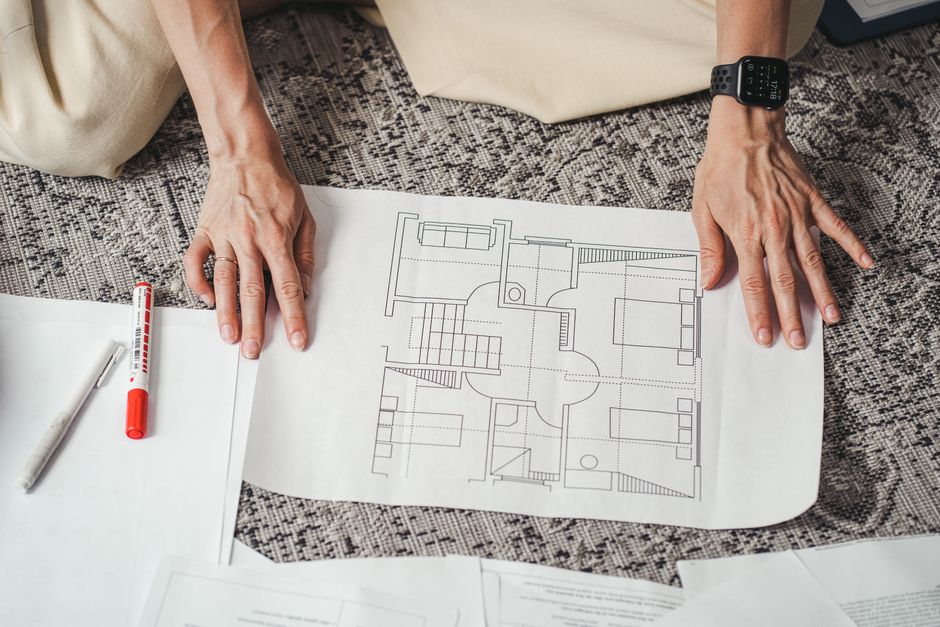
- Technical documentation: Architects produce detailed construction drawings and specifications that go far beyond a contractor's sketch or a design-build firm's concept package. This documentation reduces ambiguity on site, which reduces costly change orders.
- Regulatory navigation: From zoning bylaws to BC Building Code compliance, architects understand the permit process inside and out. This is especially relevant on Vancouver Island, where coastal setbacks, heritage overlays, and municipal requirements can vary significantly between Nanaimo, Parksville, and Comox.
- Independent advocacy: When you hire an architect separately from your contractor, your architect works for you — not for the builder's bottom line. During construction administration, they review work for conformance with the drawings and help protect your interests throughout the build.
What Contractors and Design-Build Firms Offer
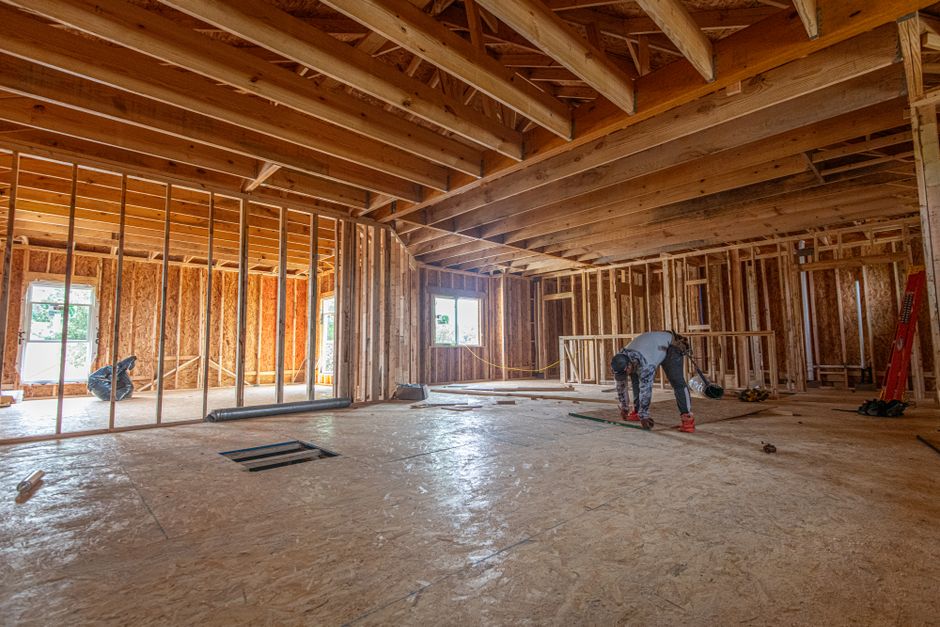
General contractors are experts at managing the physical construction process — scheduling trades, sourcing materials, and delivering a project within a budget. Many are highly skilled and build excellent homes. The distinction is that construction management is their core competency, not design.
The design-build vs architect question often comes up when homeowners discover that many design-build firms offer in-house design services as part of a single-contract package. This can feel convenient and streamlined, but it comes with a structural tension worth understanding: when the same company is designing and building your home, the design process can be influenced — consciously or not — by what's easiest or most profitable to construct. The design serves the build, rather than the build serving your vision.
Design-build firms can be a reasonable fit for straightforward, repetitive projects. But for custom homes, complex renovations, multi-unit developments, or any project where design quality and site specificity matter, that built-in tension is a real limitation.
When to Hire an Architect: Key Scenarios
Not every project requires a full architect engagement — but many more do than homeowners typically assume. Here are the clearest cases for when to hire an architect:
- Custom homes: If you want a home designed around your life — your site, your habits, your aesthetic — an architect is the professional who can make that happen. A contractor works from plans; an architect creates them with intention. You can explore what sets architect-designed custom homes apart on Vancouver Island to understand the difference in outcomes.
- Complex renovations: Gut renovations, additions, and heritage restorations involve structural changes, permit requirements, and design coordination that benefit enormously from architectural oversight.
- Multi-unit and infill projects: Secondary suites, laneway houses, and small-scale multi-family developments involve layered regulatory requirements that an architect is specifically trained to navigate.
- Challenging sites: Sloped lots, waterfront properties, properties with environmental setbacks, or sites in established neighbourhoods with design guidelines all demand a level of site analysis and creative problem-solving that is central to architectural training.
- Projects where long-term value matters: Thoughtful design isn't just about how a home looks on day one — it affects energy performance, spatial quality, and resale value for decades. Well-designed homes simply hold their value better.
The Accountability Difference
One of the least-discussed but most important distinctions between an architect and a contractor is professional accountability. Architects in BC are regulated by the AIBC and carry professional liability insurance (errors and omissions coverage). They are legally accountable for the accuracy and integrity of their work in ways that most contractors and design-build firms are not.
This matters when something goes wrong — and on complex projects, something always requires a decision or a correction. Having a licensed professional in your corner who is obligated to act in your interest is a meaningful protection.
Architect services in Nanaimo and across Vancouver Island also include construction administration — site visits, shop drawing reviews, and responses to contractor questions during the build. This ongoing involvement keeps the project true to the design intent and catches problems before they become expensive.
What About Cost?
The most common objection to hiring an architect is cost. Architectural fees are real, and it's worth being honest about them. Typically, architectural fees for a custom home in BC range from 8% to 15% of construction cost, depending on project complexity and the scope of services.
But framing this purely as an added expense misses the broader picture. Comprehensive architectural drawings reduce contractor ambiguity, which reduces change orders — often one of the biggest sources of budget overrun on construction projects. Good design also maximizes the livability and resale value of a home, often returning far more than the fee over the life of the building. And an architect's ability to identify and resolve regulatory issues early prevents costly delays and redesigns mid-project.
When you look at the full picture, hiring an architect in BC is frequently one of the highest-value investments you can make in a building project. You can see examples of this approach in practice across AR Architecture's residential portfolio, where design quality and site responsiveness are evident throughout.
A Note on the Vancouver Island Context
Building on Vancouver Island comes with its own set of considerations. Coastal exposure, seismic design requirements, the region's complex mix of municipal and regional district jurisdictions, and a strong culture of environmental stewardship all shape what good architecture looks like here. An architect who practices locally — who understands Nanaimo's permit process, the character of Parksville's waterfront neighbourhoods, or the rural character of properties in the Cowichan Valley — brings contextual knowledge that no design template from elsewhere can replicate.
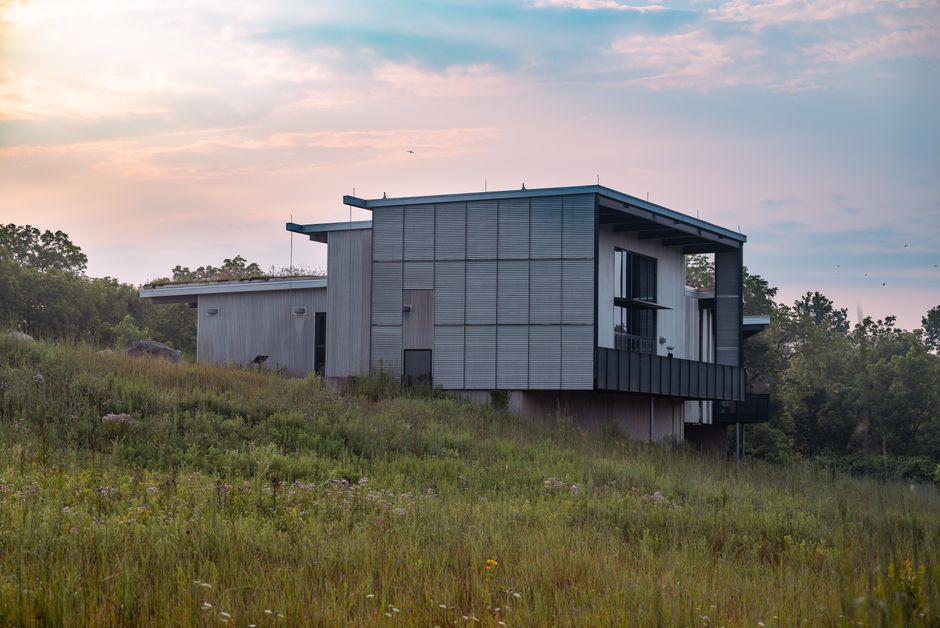
Projects like the Lantzville Road residence illustrate how site-specific design thinking produces homes that feel genuinely rooted in their place — not just built on it.
Making the Right Call for Your Project
The architect vs contractor question doesn't have one universal answer. For a simple deck or a straightforward kitchen update, a skilled contractor may be all you need. But for anything involving significant design decisions, regulatory complexity, or long-term investment value, a licensed architect brings a depth of skill, accountability, and creative problem-solving that is genuinely difficult to replicate through any other path.
The best projects happen when architects and contractors work together — each doing what they do best, with clear roles and shared commitment to a well-built outcome.
If you're planning a custom home, renovation, or development project on Vancouver Island and want to understand what architectural involvement could look like for your specific situation, reach out to the team at AR Architecture. We're based in Nanaimo and work with homeowners, developers, and institutions across Vancouver Island and BC — and we'd be glad to talk through your project before you make any commitments.
Details
Author























.jpg)