


Secondary Suite Design Nanaimo BC: Maximize Your Property Value
Why Secondary Suites Are a Smart Investment in Nanaimo
If you own a home in Nanaimo or anywhere on Vancouver Island, you may be sitting on an untapped opportunity. Secondary suite design in Nanaimo, BC has become one of the most practical ways homeowners can generate consistent rental income, offset mortgage costs, and increase long-term property value — all without purchasing a second property. With housing demand rising across the island and rental vacancy rates remaining tight, a well-designed secondary suite or laneway home is not just a nice-to-have. It is a financially sound decision backed by strong market fundamentals.
But there is a meaningful difference between a suite that is simply code-compliant and one that is genuinely livable, attractive to quality tenants, and built to stand the test of time. That difference, more often than not, comes down to thoughtful architectural design from the very beginning of the process.
Understanding Nanaimo's Zoning Rules for Secondary Suites
Before breaking ground, homeowners need to understand what is permitted under Nanaimo's current zoning bylaws. The City of Nanaimo has made meaningful strides in recent years to encourage the development of secondary suites and accessory dwelling units as part of its broader housing strategy. Most single-family residential zones in the city now permit one secondary suite within the principal dwelling, and many areas also allow a detached accessory dwelling unit on the same lot.
Key considerations under Nanaimo's zoning framework include:
- Suite size limits: Secondary suites are typically capped at a percentage of the principal dwelling's floor area, often around 40 percent, with a maximum of roughly 90 square metres depending on the zone.
- Separate entrance requirements: A secondary suite must have its own dedicated entrance, either from the exterior or through a shared vestibule, to meet both zoning and BC Building Code requirements.
- Parking provisions: Most zones require at least one off-street parking space per suite in addition to the requirements for the main dwelling.
- Owner-occupancy rules: Some zones require the principal homeowner to occupy either the main home or the secondary suite, so it is important to verify the specific conditions that apply to your property.
Regulations around laneway houses on Vancouver Island vary more significantly by municipality, so homeowners outside Nanaimo in communities like Parksville, Qualicum Beach, or Courtenay should confirm local bylaws before proceeding. If you want a detailed overview of what to expect from the permitting process, our post on the building permit process in Nanaimo, BC walks through the key steps from application to approval.
Basement Suite Renovation vs. Laneway House: Which Is Right for You?
Homeowners exploring an accessory dwelling unit in BC typically face a choice between two primary approaches: converting existing space — most commonly a basement — or building a new detached structure on their lot.
Basement Suite Renovation in Nanaimo
A basement suite renovation in Nanaimo is often the more cost-effective entry point. If your home already has a lower level with reasonable ceiling height, roughed-in plumbing, and exterior access potential, a renovation can deliver a rentable suite for significantly less than new construction. The design challenge here is livability. Basement suites have a reputation for being dark, low-ceilinged, and uninspiring — which directly affects the quality of tenant you attract and the rent you can reasonably charge.
A skilled architect approaches a basement suite renovation differently. Strategic window placement, light wells, and careful layout planning can transform a below-grade space into something that feels open and genuinely comfortable. Ceiling height optimization, material choices that reflect light, and smart storage integration all contribute to a suite that commands a premium in the rental market.
Laneway House Design on Vancouver Island
A detached laneway house on Vancouver Island offers more design freedom and typically results in a more desirable rental product. Built at the rear of the lot, often above or adjacent to an existing garage, a laneway home functions as a fully independent dwelling with its own address, entrance, and outdoor space. These units are especially attractive to young professionals, retirees looking to downsize, or long-term tenants who value privacy.
The design complexity of a laneway home is also higher. Considerations around massing, shadow impact on neighbouring properties, utility connections, and site drainage all need to be resolved carefully. This is where working with an experienced architectural team pays dividends — not just in aesthetics, but in avoiding costly mistakes during construction.
Design Strategies That Make Small Suites Feel Larger
Whether you are pursuing a rental suite design in BC for a basement conversion or a new laneway structure, the principles of good small-space design apply across the board. The goal is to make every square metre work harder without sacrificing comfort or character.
Some of the most effective strategies include:
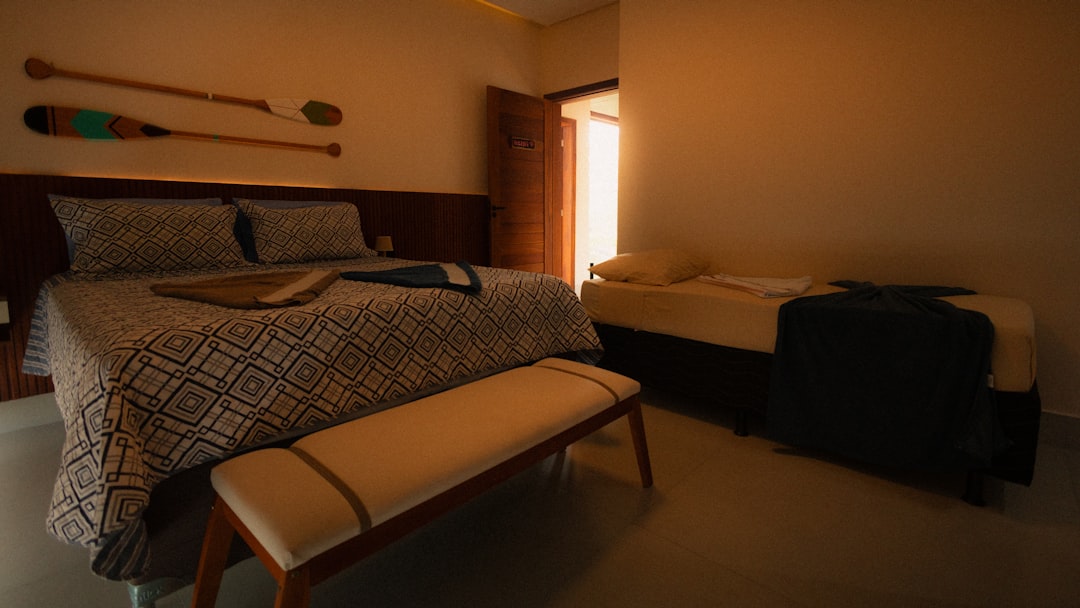
- Open-plan living, dining, and kitchen areas that eliminate unnecessary walls and create a sense of spatial flow even in compact footprints.
- High ceilings or vaulted rooflines in detached laneway structures to introduce volume and visual height.
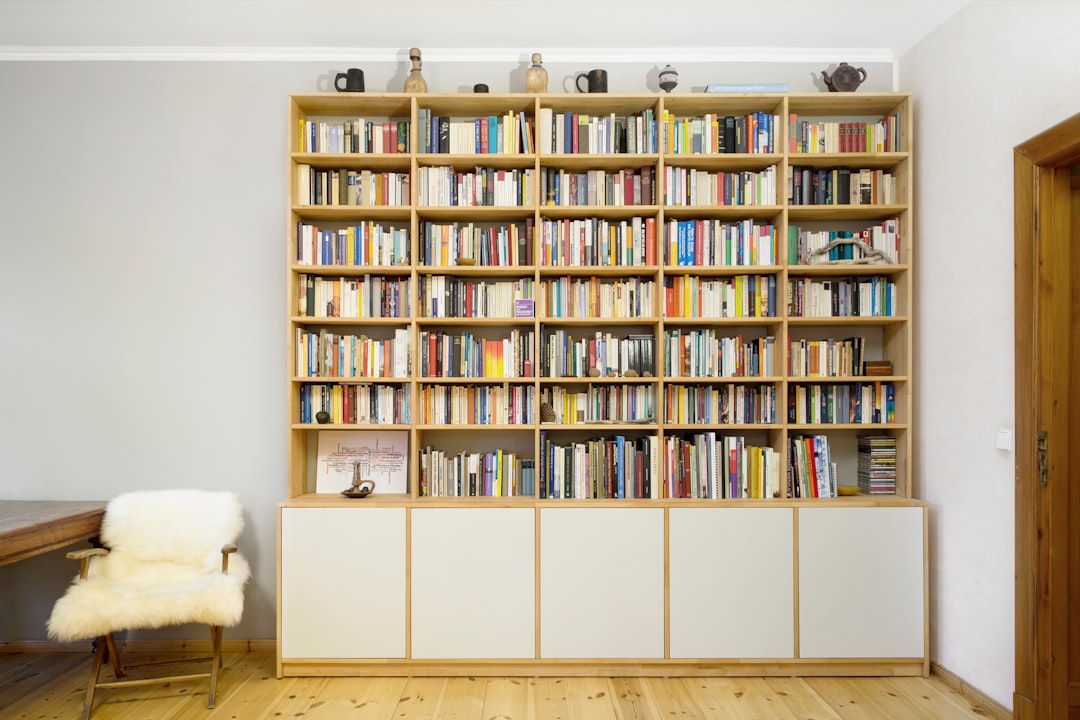
- Built-in storage integrated into walls, under stairs, and within cabinetry to keep living areas uncluttered.
- Large windows and glazed doors positioned to maximize natural light and connect interior spaces to any available outdoor area.
- Durable, low-maintenance finishes that hold up to tenant use and reduce long-term operating costs for the homeowner.
- Efficient mechanical systems that keep utility costs manageable, including heat pump technology which is increasingly common in new BC construction.
Sustainability is also worth considering from the outset. Energy-efficient design not only reduces operating costs but may qualify your project for rebates through BC Hydro, FortisBC, or federal programs. Our piece on sustainable architecture in Nanaimo and green building in BC explores how these strategies apply to residential projects across the region.
The Value of Working With an Architect on Your Secondary Suite
It is tempting to approach a secondary suite as a straightforward renovation project that any contractor can handle. In practice, the projects that generate the most rental income, face the fewest permit complications, and hold up best over time are almost always those guided by thoughtful design from the beginning.
An architect brings several things to a secondary suite project that a contractor alone typically cannot. They translate zoning requirements into design solutions rather than constraints. They anticipate building code requirements early, avoiding expensive redesigns mid-construction. They consider how the suite interacts with the rest of the home — acoustics, shared utilities, privacy, and access — in ways that affect daily life for both the homeowner and the tenant. And they produce drawings and specifications detailed enough to get accurate contractor bids, which protects you from budget surprises.
At AR Architecture, we have worked extensively on residential projects across Nanaimo and Vancouver Island, and we understand what makes a secondary dwelling genuinely successful — both as a design and as a real estate investment. You can explore some of our residential architecture projects to get a sense of how we approach design challenges of this kind.
Ready to Explore Your Secondary Suite Options?
Whether you are envisioning a bright basement suite renovation, a thoughtfully designed laneway home, or a detached accessory dwelling that adds lasting value to your Nanaimo property, AR Architecture is here to help you move from idea to reality. Our team brings design expertise, local zoning knowledge, and a genuine commitment to creating spaces that work beautifully for the long term. Reach out to AR Architecture today to start a conversation about your secondary suite project — we would love to hear what you have in mind.
Details
Author









.jpg)