


Adaptive Reuse Architecture on Vancouver Island: Giving Old Buildings New Purpose
When Old Becomes New: The Case for Adaptive Reuse on Vancouver Island
Across Vancouver Island, a quiet architectural revolution is underway. Rather than tearing down and starting fresh, a growing number of property owners, developers, and communities are choosing a smarter path: adaptive reuse architecture. This approach takes buildings that have outlived their original purpose and reimagines them entirely — converting old buildings in BC into homes, offices, galleries, restaurants, and community hubs that serve entirely new functions while honouring what came before.
For a region as historically rich and environmentally conscious as Vancouver Island, adaptive reuse isn't just a trend. It's a deeply practical, culturally respectful, and financially sound way to grow.
What Is Adaptive Reuse Architecture?
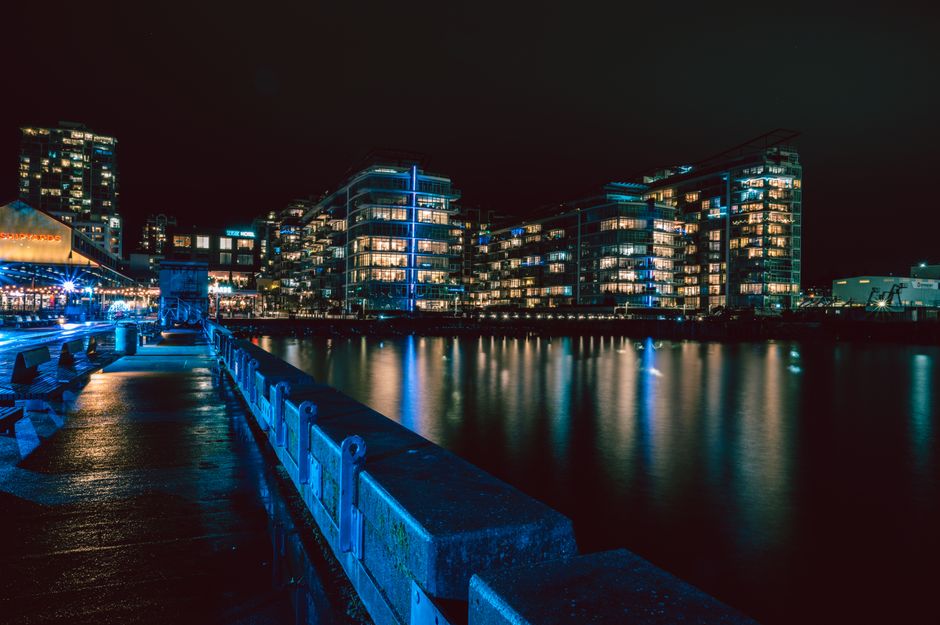
At its core, adaptive reuse is the process of repurposing an existing structure for a use different from its original intent. A former cannery becomes a waterfront condominium. A shuttered warehouse becomes a creative studio. A dated commercial strip becomes a mixed-use building with ground-floor retail and residential units above. The building's bones remain; everything else evolves.
This approach stands in contrast to demolition-and-rebuild, which strips away not only physical material but also the embodied carbon locked into a building's existing structure — the energy already spent on manufacturing, transporting, and assembling every brick, beam, and board. When that structure is demolished, all of that environmental investment disappears into a landfill.
Adaptive reuse keeps that investment alive. It's one of the most effective tools in sustainable architecture practice in Nanaimo and across BC, reducing construction waste, lowering carbon footprints, and extending the useful life of our built environment.
The Environmental Benefits of Adaptive Reuse Design
The environmental case for adaptive reuse design is compelling. Construction and demolition waste accounts for a significant portion of landfill volume in British Columbia. When a building is demolished, thousands of tonnes of concrete, wood, metal, and insulation are typically discarded rather than salvaged. New construction then demands fresh extraction of raw materials, additional manufacturing energy, and substantial transportation emissions.
Adaptive reuse short-circuits this cycle. By retaining the existing structure, you dramatically reduce the volume of new materials required. Foundations, load-bearing walls, roof structures, and framing systems are often preserved in their entirety. Mechanical and electrical systems may be upgraded rather than replaced wholesale. The result is a project with a significantly smaller environmental footprint than an equivalent new build.
For Vancouver Island communities committed to environmental stewardship — and many are — this matters enormously. Choosing to repurpose a commercial space in Nanaimo rather than demolish it sends a clear message about how the community values its resources, its history, and its future.
Economic Advantages: Why Converting Old Buildings in BC Makes Financial Sense
Beyond the environmental story, adaptive reuse often makes strong economic sense. Existing structures can offer significant cost savings when compared to ground-up construction, particularly in a construction market where material costs and labour shortages continue to drive up new build prices across British Columbia.
Foundations represent one of the most expensive and time-consuming components of any new building. In adaptive reuse projects, the foundation is already there. So are the walls, the roof structure, and often much of the mechanical infrastructure. While renovation always brings its own complexities — asbestos abatement, code compliance upgrades, structural reinforcement — the baseline cost advantage of working with an existing shell is frequently substantial.
There are also financial incentive programs worth exploring. Heritage building conversion on Vancouver Island can unlock municipal heritage grants, property tax incentives, and heritage designation benefits that help offset renovation costs. BC and federal programs have supported heritage preservation efforts in communities from Victoria to Campbell River, making adaptive reuse an even more attractive proposition for the right property.
Repurposing commercial space in Nanaimo, for example, can revitalize underperforming properties in established neighbourhoods, increasing surrounding property values while generating new economic activity — without the years of delay that greenfield development often requires.
Cultural Value: Preserving Vancouver Island's Architectural Heritage
Vancouver Island has a layered architectural history. From early colonial-era structures in Victoria to mid-century industrial buildings in Nanaimo, Port Alberni, and beyond, the Island's built environment tells the story of how communities developed, what industries drove them, and how people lived and worked across generations.
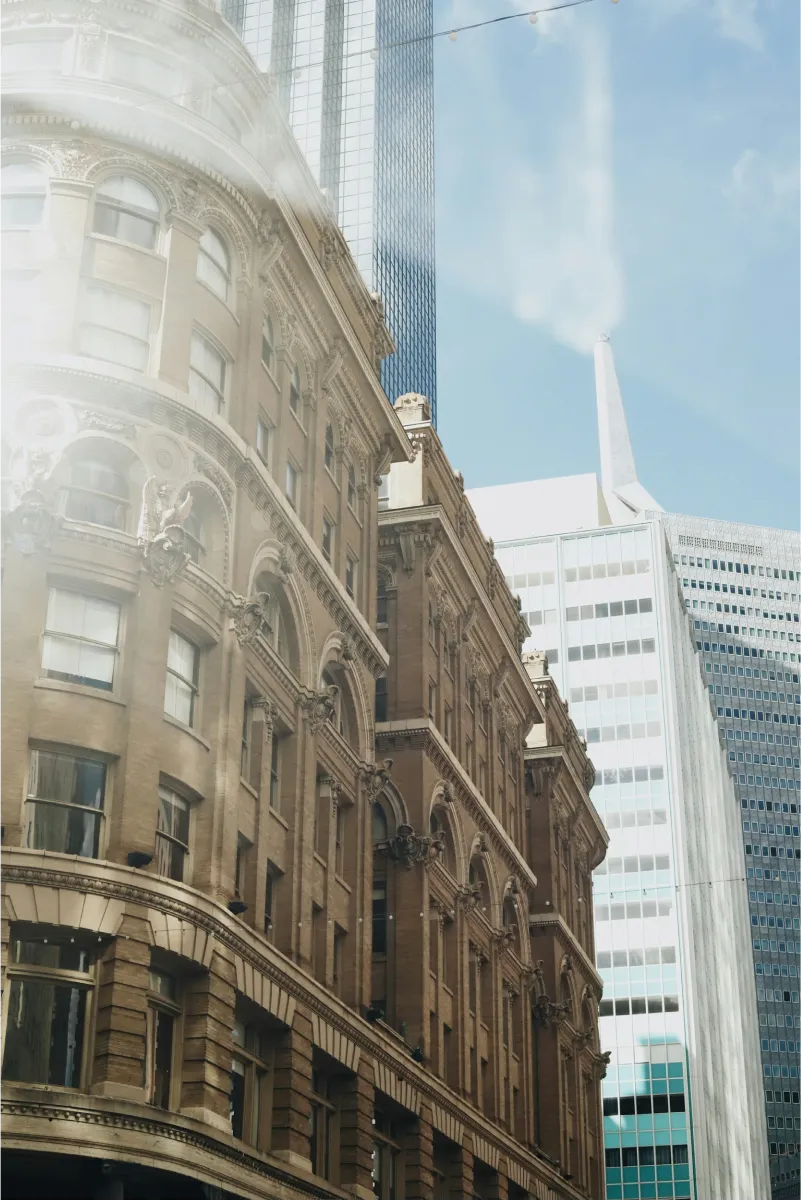
When these buildings are demolished, that story is permanently erased. Heritage building conversion on Vancouver Island allows communities to retain physical connections to their past while adapting structures to meet contemporary needs. A former hardware store can become a boutique hotel. A mill building can become loft apartments. The industrial aesthetic that defined a neighbourhood's character doesn't have to disappear — it can become a defining feature of the new design.
This cultural continuity matters. People feel differently about places that have memory embedded in them. Adaptive reuse projects often become community anchors precisely because they carry history forward rather than erasing it. They give residents a sense of place that no amount of new construction can replicate.
For a deeper look at how thoughtful design can honour a building's past while transforming its future, our guide to renovating historical buildings explores the key considerations architects and clients face when working with existing heritage structures.
Design Challenges — and Why They're Worth It
Adaptive reuse projects are not without complexity. Working within an existing structure means accepting constraints that don't exist in new construction. Floor-to-ceiling heights may be fixed. Structural grids may not align with modern spatial needs. Hidden conditions — asbestos, lead paint, deteriorated framing, outdated wiring — can emerge mid-project and affect timelines and budgets.
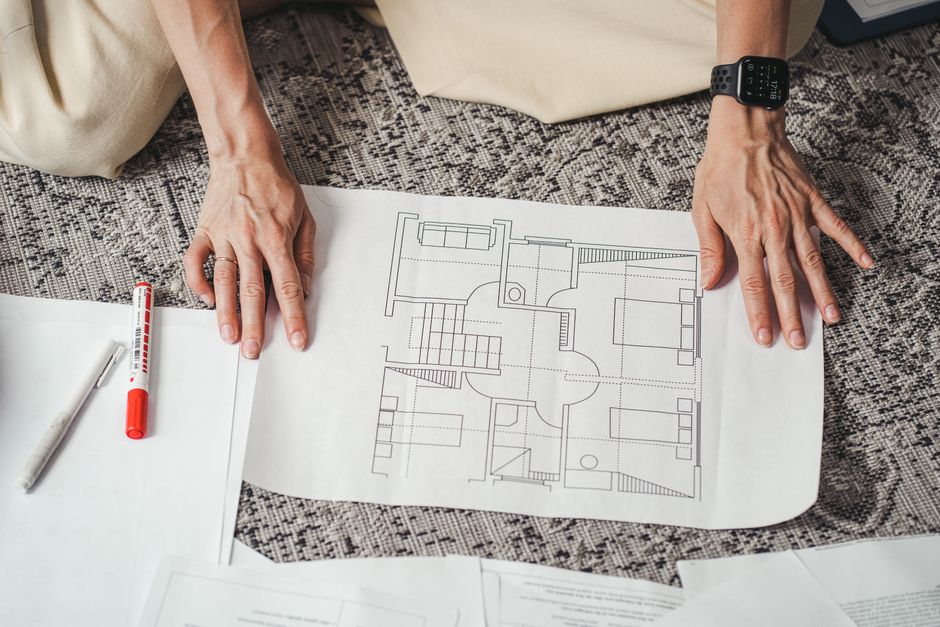
This is precisely where skilled architectural design becomes essential. An experienced architect doesn't just draw new floor plans and overlay them on an old building. They engage deeply with the existing structure: understanding its logic, identifying its opportunities, and finding creative solutions to its constraints. The best adaptive reuse projects feel inevitable — as though the building was always meant to become what it is now.
Good adaptive reuse design also means navigating complex regulatory landscapes. Building code compliance for change-of-use projects involves different requirements than new construction, and heritage designations add additional layers of review. Understanding how municipal approval processes work — including the building permit process in Nanaimo and across BC — is critical to keeping adaptive reuse projects on track.
Adaptive Reuse in Practice: What These Projects Look Like
The range of adaptive reuse possibilities on Vancouver Island is broad. Consider some of the transformations that are possible:
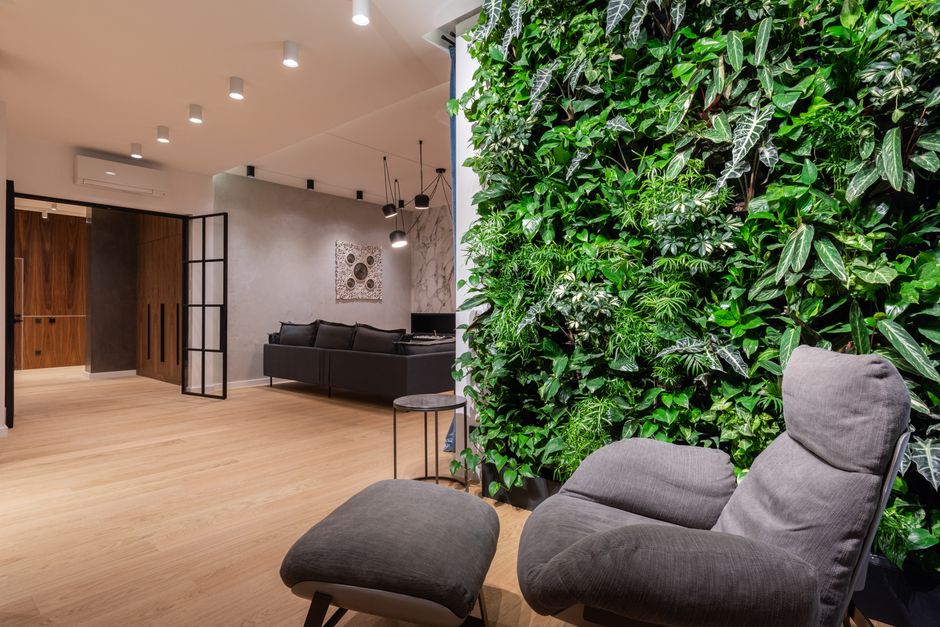
- Industrial to residential: Former warehouses, mills, and manufacturing facilities converted into loft-style condominiums or townhouses, retaining exposed concrete, timber beams, and industrial windows as design features.
- Commercial to mixed-use: Underutilized retail buildings redesigned to incorporate residential units above ground-floor commercial spaces, adding density without sprawl.
- Institutional to community: Former schools, churches, or civic buildings reimagined as cultural centres, co-working spaces, or affordable housing.
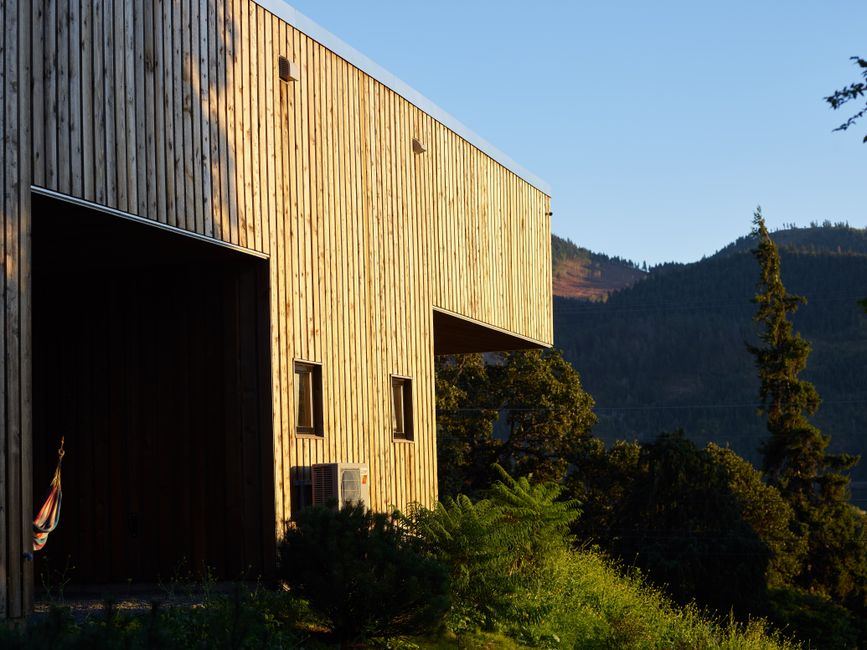
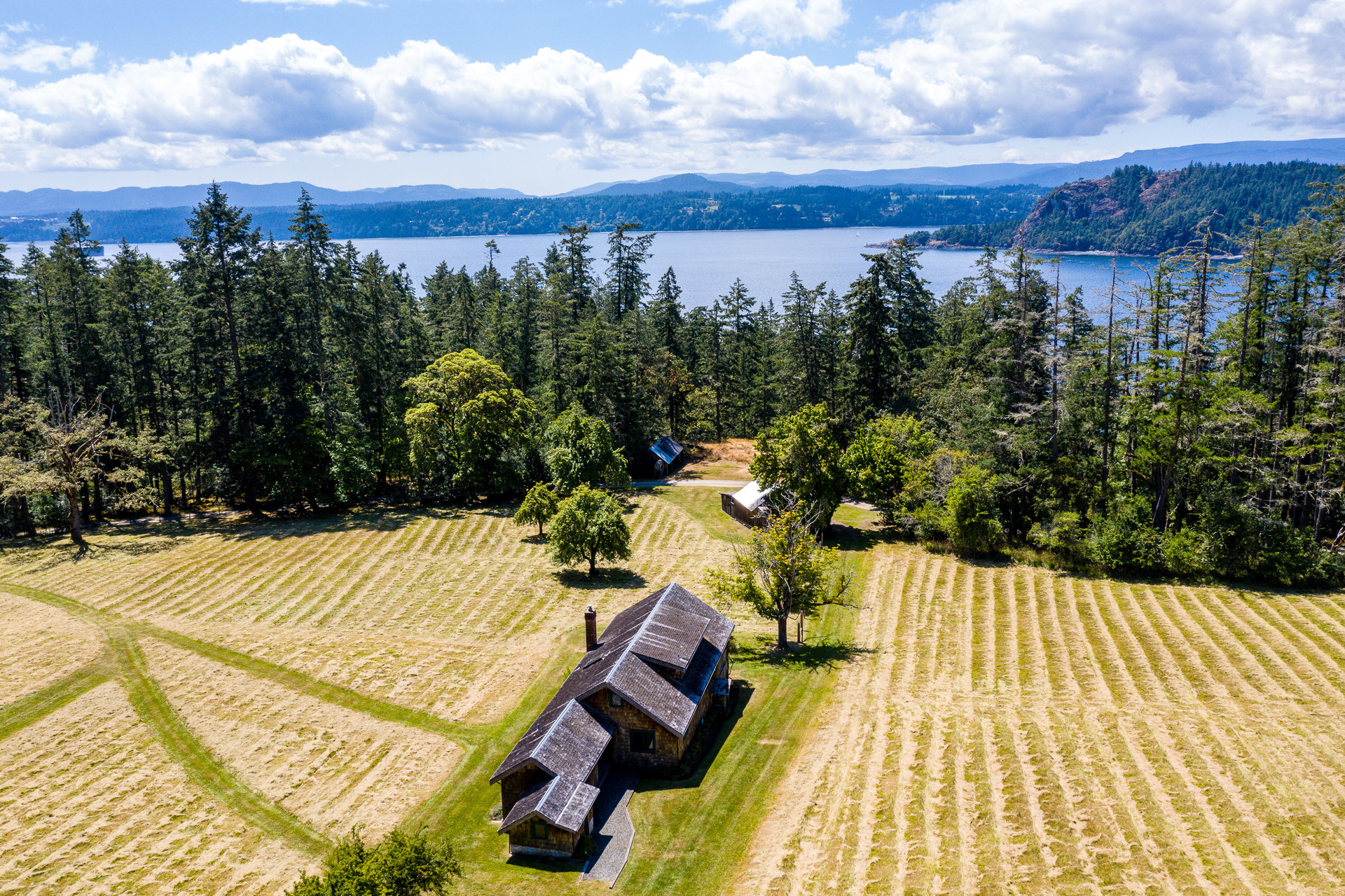
- Agricultural to hospitality: Historic farm buildings and heritage barns transformed into event venues, boutique accommodations, or rural retreat centres.
Each of these transformations requires careful architectural thinking — about structure, light, circulation, code compliance, and character. The goal is never simply to gut and rebuild inside an old shell. It's to find a genuine dialogue between what the building was and what it can become.
Ready to Reimagine a Building? AR Architecture Can Help
At AR Architecture, we believe that some of the most exciting design opportunities on Vancouver Island aren't found on empty lots — they're found in the buildings that already exist. Whether you're considering converting an old commercial property, exploring a heritage building transformation, or looking at how an underutilized structure might serve a new purpose, we bring the design thinking, technical knowledge, and local expertise to make it happen.
Explore our portfolio of completed projects to see how we approach complex design challenges across Vancouver Island and BC. When you're ready to talk about what your building could become, reach out to the AR Architecture team — we'd love to help you see the possibilities.
Details
Author






.jpg)