


Custom Home Design Vancouver Island: Why Architect-Built Homes Are Worth It
The Difference Between a Custom Home and a Builder-Grade Home
When most people picture custom home design on Vancouver Island, they imagine something expensive and out of reach. The reality is quite different. A truly custom, architect-designed home is one of the smartest long-term investments a homeowner can make — especially in a place as climatically and geographically distinct as coastal British Columbia.
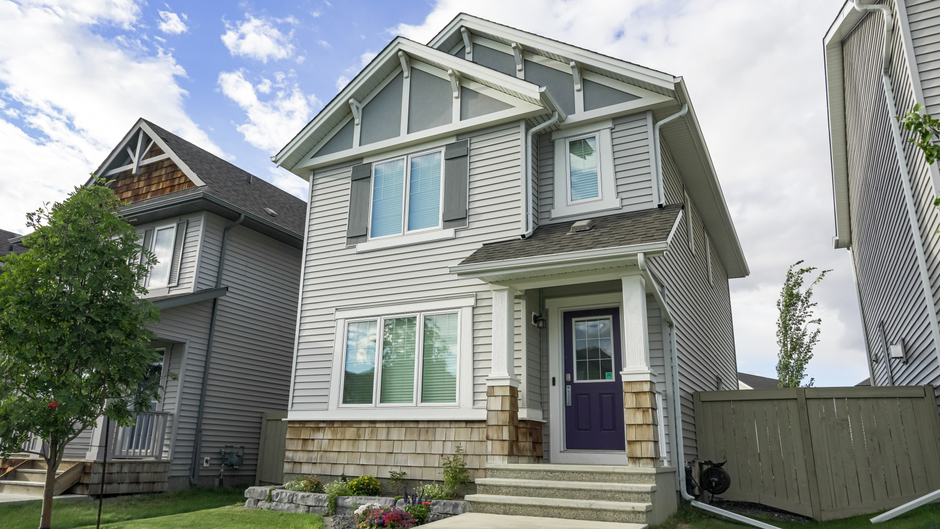
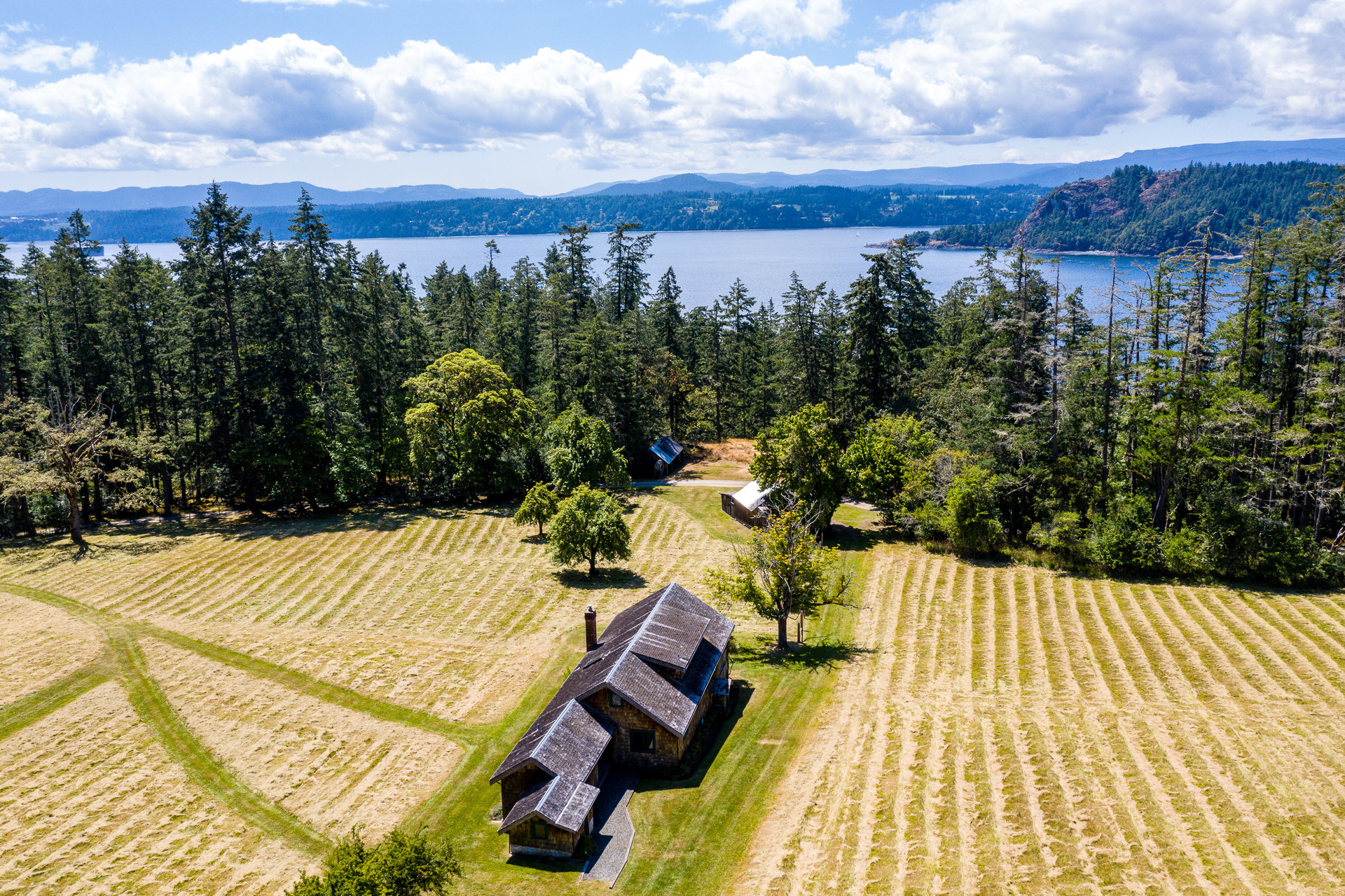
Builder-grade homes are designed to appeal to the broadest possible market. They follow standardized floor plans, use materials selected for cost efficiency, and rarely account for a specific site's orientation, prevailing winds, rainfall patterns, or views. On Vancouver Island, where the landscape shifts from rocky shoreline to dense forest to dramatic mountain backdrop, that one-size-fits-all approach consistently falls short.
Architect-designed homes, by contrast, begin with a single question: What does this family need, on this specific piece of land, in this particular place? That question changes everything about the outcome.
How a Local Architect Understands Vancouver Island's Coastal Climate
Coastal BC is beautiful, but it is also demanding. Homes here contend with heavy seasonal rainfall, salt air in marine-adjacent areas, significant temperature variation between sun and shade, and the need to manage passive solar gain without overheating during dry summers. These are not theoretical concerns — they directly affect comfort, durability, and energy costs over the life of a home.
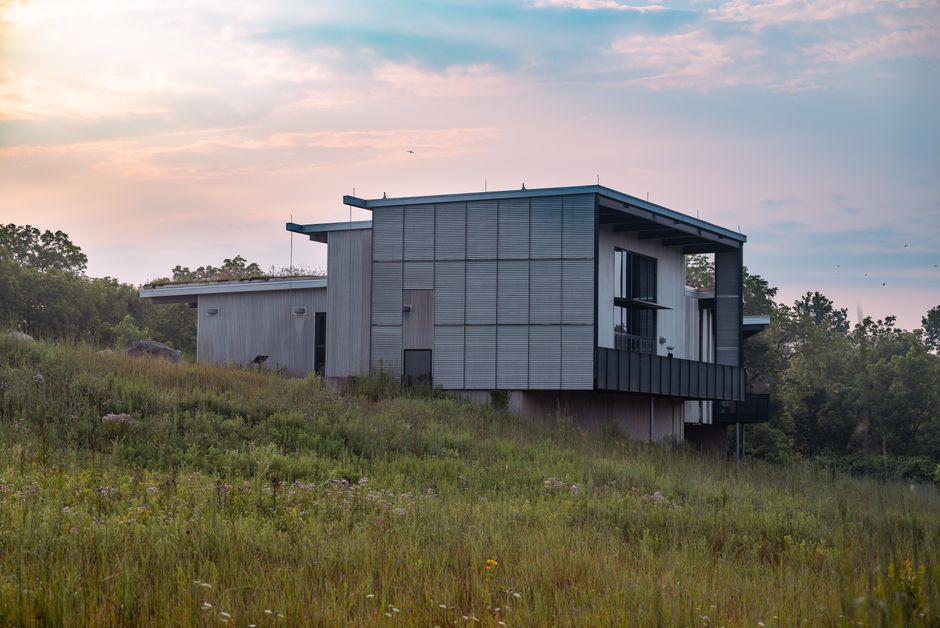
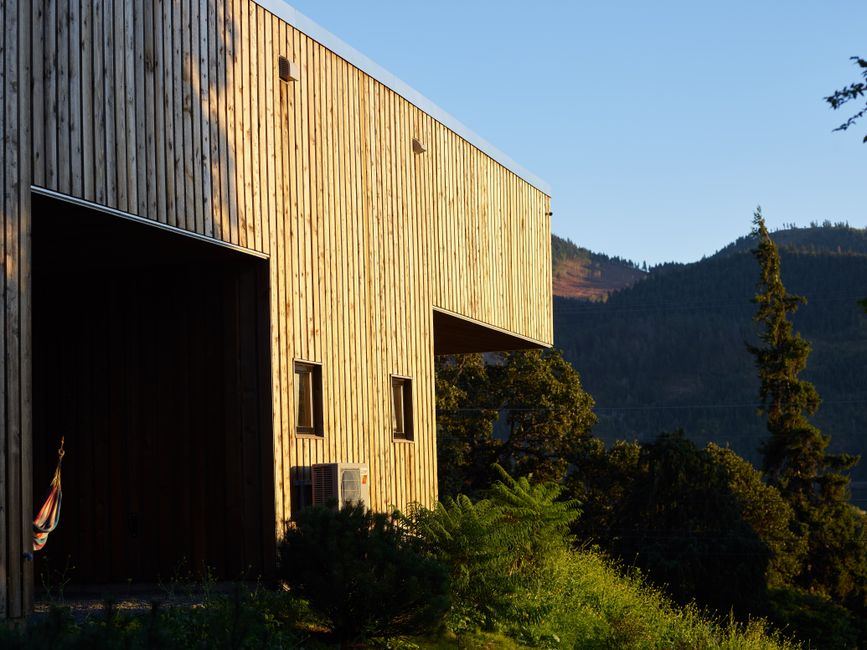
A local architect with deep experience in residential architecture on Vancouver Island knows how to respond to these conditions in ways that a generic plan simply cannot. That means positioning the home to capture morning light in living spaces while protecting west-facing walls from driving rain. It means specifying cladding materials that perform over decades in a marine climate rather than just looking good in a showroom. It means designing roof overhangs that shed water efficiently while still allowing low winter sun to warm interior spaces.
These are the kinds of details that thoughtful coastal home design in BC gets right from the very beginning — details that are expensive or impossible to correct after a home is built.
Passive Design and Energy Performance
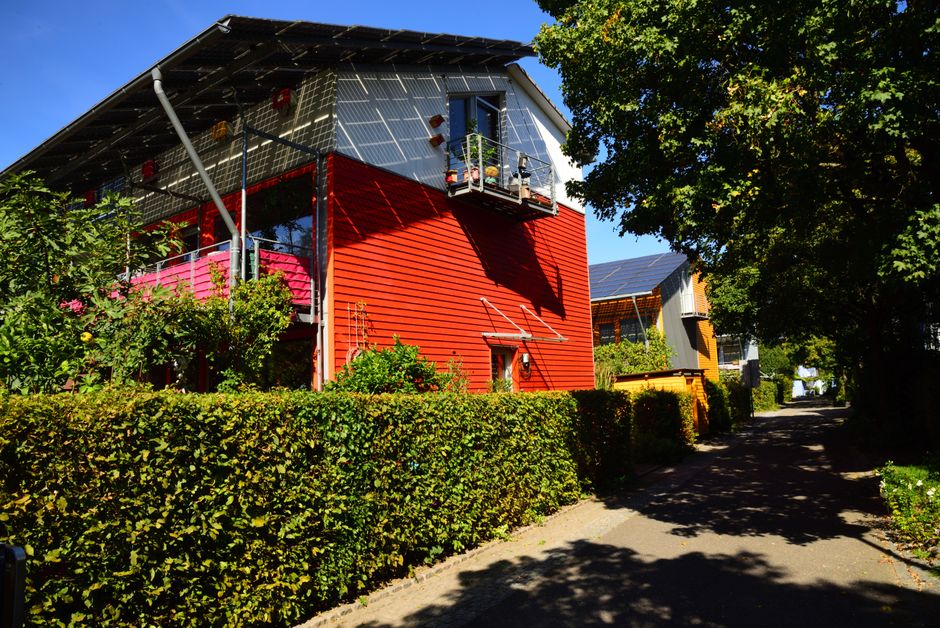
One of the most financially meaningful advantages of working with an architect is access to passive design strategies. By carefully analyzing a site's solar orientation, the architect can reduce heating and cooling loads significantly before a single piece of mechanical equipment is specified. On Vancouver Island, where hydro costs and utility reliability both matter to homeowners, this translates to measurable savings year after year.
Proper insulation detailing, thermal bridging prevention, and window placement are not glamorous topics, but they are precisely the areas where architect-designed homes consistently outperform builder-grade construction over a ten- or twenty-year horizon.
Tailored to Your Life, Not a Floor Plan Template
Perhaps the most obvious advantage of bespoke home design in coastal BC is the freedom to build around how you actually live. Do you work from home and need a quiet, north-facing studio with controlled light? Do you have elderly parents who will eventually share the home, requiring step-free access and a private suite? Do you host large family gatherings that demand a kitchen and dining flow that no standard plan accommodates?
These are not luxury considerations — they are practical ones. A home that fits your life reduces frustration, supports wellbeing, and holds its value better on resale because it functions exceptionally well for a range of potential buyers.
When you look at completed residential architecture projects across Vancouver Island, the pattern becomes clear: homes designed around specific clients and sites simply feel more resolved. Spaces connect logically, natural light arrives where it is needed, and outdoor areas integrate with indoor living rather than existing as afterthoughts.
Custom House Plans in Nanaimo: Starting From Your Site
For homeowners in Nanaimo and the surrounding region, working with a local architect on custom house plans means starting from an accurate understanding of your site's constraints and opportunities. Municipal zoning, setback requirements, view corridors, neighbouring properties, and topography all shape what is possible — and a skilled architect turns those constraints into design opportunities rather than obstacles.
Local knowledge also means familiarity with the City of Nanaimo's permitting process, which can significantly affect project timelines and budgets. An architect who has navigated that process many times brings efficiency and credibility to every application.
Long-Term Value: Why Custom Homes Save Money Over Time
The upfront cost of working with an architect on architect designed homes in BC is real, but it is important to understand what that investment actually buys. Architectural fees typically represent three to eight percent of a project's construction cost — a fraction of the total — but that investment influences every dollar spent on construction and every dollar saved on operations afterward.
Consider what good design prevents: costly change orders during construction caused by unclear or incomplete drawings; energy bills inflated by poor orientation and inadequate insulation; maintenance expenses driven by materials or detailing that were never right for the climate; and renovation costs incurred years later to fix a layout that never worked.
Builder-grade homes frequently require significant renovation within ten to fifteen years simply because the original design did not account for how the owners actually lived. A custom-designed home, developed in close collaboration with its future occupants, tends to remain functional and relevant far longer.
Coordination Reduces Construction Surprises
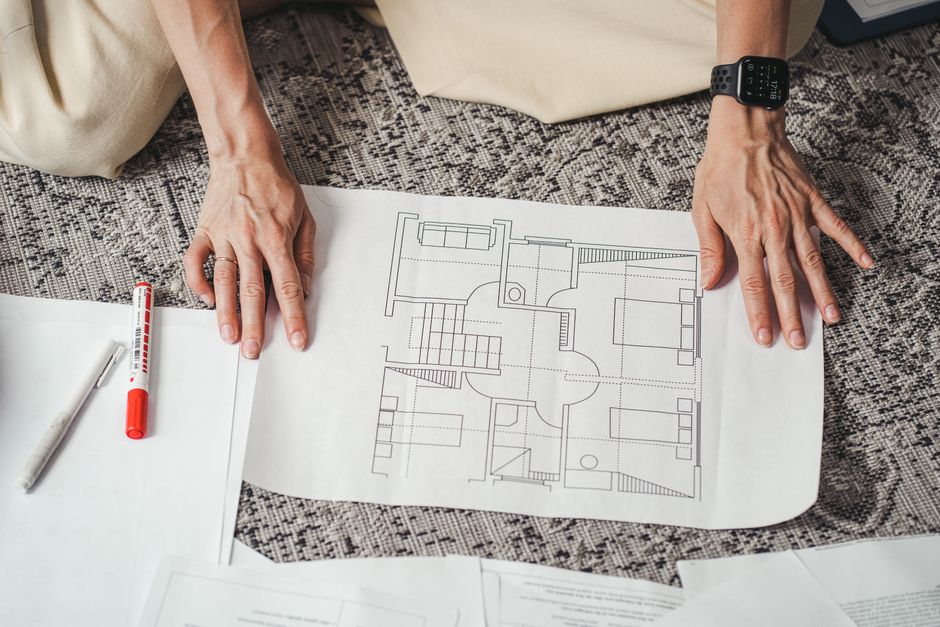
One of the less visible but deeply valuable aspects of working with an architect is the coordination of structural, mechanical, and envelope systems into a coherent set of construction documents. Gaps between trades — the moment when the framer, the plumber, and the HVAC installer are all working from different assumptions — are a primary driver of construction cost overruns. Thorough architectural documentation reduces those gaps and gives your builder a clear, buildable set of instructions from day one.
A Process Built Around You
Good architecture is not delivered to clients — it is developed with them. The design process for a custom home typically moves through programming (understanding your needs), schematic design (exploring spatial and formal possibilities), design development (refining the preferred direction), and construction documentation (preparing the drawings and specifications that make it buildable). At each stage, the client is a genuine collaborator.
If you are curious about what that process looks like in practice, exploring resources on the custom home design process on Vancouver Island is a useful starting point before your first conversation with an architect.
The most successful projects tend to begin with clients who arrive with open minds, a clear sense of how they want to live, and a realistic understanding of their budget. The architect's job is to translate that into something specific, buildable, and genuinely beautiful.
Ready to Build Something Designed for You?
If you are planning a new home on Vancouver Island and want a result that is tailored to your life, your site, and the realities of living on the BC coast, AR Architecture would love to hear from you. Our Nanaimo-based team brings local knowledge, design rigour, and genuine care for every project we take on — from the first sketch to the final inspection. Get in touch with AR Architecture today to start a conversation about your custom home.
Details
Author









.jpg)