


Laneway House Design on Vancouver Island: Maximize Your Lot's Potential
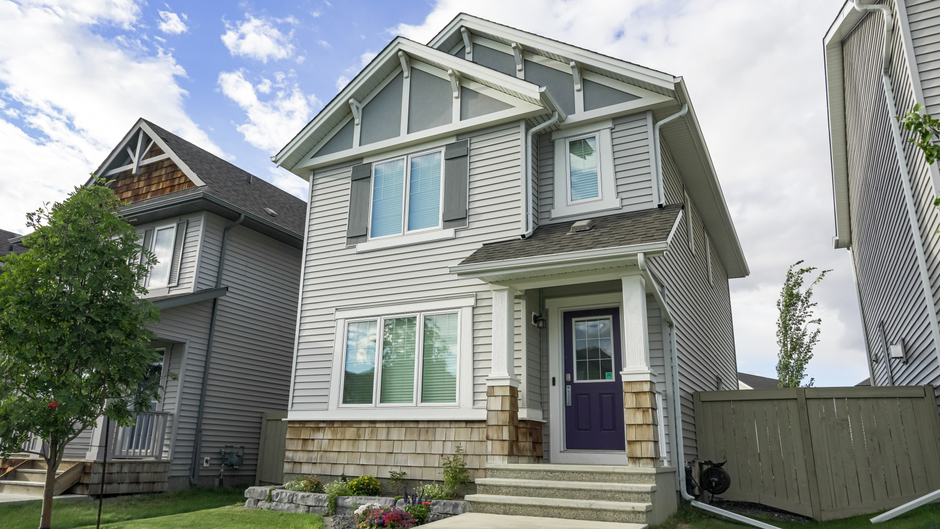
The Rise of Laneway Housing on Vancouver Island
Laneway house design on Vancouver Island is no longer a niche conversation — it's becoming one of the most practical responses to a housing market that continues to pressure both affordability and density. For homeowners in Nanaimo and across the Island, the idea of building a secondary dwelling at the rear of an existing lot represents an opportunity that's difficult to ignore: additional rental income, multigenerational living arrangements, or simply a smarter use of underutilized land.
As infill housing in BC gains momentum through updated provincial legislation and shifting municipal attitudes, more homeowners are asking the same question: what does it actually take to add a laneway home on my property? The answer involves design, zoning, budget, and — perhaps most critically — the right professional guidance from the very beginning.
What Is a Laneway House, and How Does It Differ from a Secondary Suite?
A laneway house, sometimes called a carriage house or rear yard suite, is a self-contained residential unit built on the same lot as a primary dwelling, typically accessed from a rear lane or secondary access point. Unlike a basement secondary suite — which is integrated within the existing structure — a laneway home is a fully detached accessory dwelling unit on Vancouver Island, with its own entrance, living spaces, kitchen, and utilities.
This distinction matters for a few reasons. Detached units tend to offer greater privacy for both occupants and the main house residents. They also carry different zoning implications, construction requirements, and design possibilities. A well-designed laneway home doesn't feel like an afterthought — it functions as a complete small home in its own right, and the best examples are thoughtfully integrated into the character of the surrounding neighbourhood.
For a closer look at how considered design elevates residential projects on the Island, browse AR Architecture's residential project portfolio to see the range of approaches possible across different lot types and contexts.
Zoning Realities for Laneway Homes in Nanaimo, BC
Zoning is where many homeowners hit their first wall — and understandably so. Regulations around small lot housing in Nanaimo have evolved considerably in recent years, partly in response to BC's provincial housing legislation that came into effect in 2024, requiring municipalities to permit more density in single-family zones.
In Nanaimo, the City's Official Community Plan and Zoning Bylaw outline where laneway homes and accessory dwelling units are permitted, what setbacks apply, what maximum heights and footprints are allowed, and how parking must be addressed. Generally speaking, many RS (Residential Single Family) zones in Nanaimo now permit at least one accessory dwelling unit on a lot, and in some cases, a secondary suite and a detached accessory structure may both be allowed.
Key considerations for a laneway home in Nanaimo typically include:
- Lot size and coverage: Most zones have a maximum site coverage — the percentage of the lot that can be built upon — which affects how large your laneway unit can be.
- Setbacks: Required distances from property lines, including rear and side yards, will shape the buildable envelope significantly.
- Height restrictions: Laneway homes are often subject to a lower height limit than the primary dwelling, typically in the range of 6 to 7.5 metres depending on the zone.
- Parking requirements: Some zones require that adding a laneway unit doesn't eliminate required parking for the main home.
- Servicing: Water, sewer, and electrical connections for a new detached unit may require upgrades or separate service connections, which affects cost and feasibility.
Understanding these parameters before you fall in love with a floor plan is essential. If you're early in the process, our post on the building permit process in Nanaimo is a practical starting point for understanding what approvals you'll need and in what order.
Design Considerations That Make Laneway Homes Work
The best laneway house design on Vancouver Island is one that balances livability, efficiency, and a genuine connection to its site — even within a tight footprint. Small doesn't have to mean compromised. In fact, the constraints of a small lot housing project in Nanaimo often produce some of the most creative and resolved architecture, because every decision carries more weight.
Orientation and Light
A detached rear unit often has a different solar orientation than the primary dwelling. Getting the glazing strategy right — maximizing natural light while maintaining privacy from neighbours and the main house — is one of the most important early design moves. On Vancouver Island, where overcast winters are common, thoughtful daylighting can dramatically affect how livable a small space feels year-round.
Indoor-Outdoor Connection
Even a compact laneway home benefits from a considered relationship with outdoor space. A small deck, a defined entry garden, or a private courtyard zone can extend the perceived size of the unit and make the difference between a space that feels cramped and one that feels intentional. This is especially relevant in the Pacific Northwest climate, where outdoor living — even in shoulder seasons — is part of everyday life.
Efficient Layouts and Storage
In a unit that may range from 400 to 900 square feet, every square foot must be purposeful. Efficient floor plans typically prioritize open-plan living and kitchen areas, minimize wasted circulation space, and integrate storage into the architectural fabric rather than treating it as an afterthought. Built-in joinery, lofted sleeping areas, and multi-use furniture strategies are all tools a skilled architect will consider.
Sustainability
Laneway homes present a genuine opportunity to build to a higher sustainability standard from the start. A smaller building envelope means less material, less energy to heat and cool, and a lower carbon footprint overall. Pair that with high-performance insulation, triple-glazed windows, and heat pump technology, and you have a unit that's genuinely efficient by design — not just by checkbox. For more on this topic, our article on sustainable home building on Vancouver Island explores how green principles translate to real-world residential projects.
How Laneway Houses Affect Property Value
From a financial perspective, the math on a laneway home can be compelling. In a rental market as tight as Nanaimo's, a well-designed secondary unit can generate meaningful monthly income — often enough to service a significant portion of the construction cost over time. Beyond rental income, the addition of a legal accessory dwelling unit typically increases overall property value, as the asset becomes more versatile and attractive to a broader pool of future buyers.
That said, the value uplift is strongly tied to quality of execution. A poorly designed or cheaply built unit can actually detract from the property's appeal. A laneway home that is architecturally coherent with the primary dwelling, built to a high standard, and appropriately permitted will always outperform one that feels like a temporary fix.
Why Working With a Local Architect Matters
There's a meaningful difference between hiring a designer who knows the general rules and working with an architect who understands the specific nuances of your municipality, your neighbourhood, and your lot. A local architect brings familiarity with Nanaimo's development services team, awareness of how discretionary variances are typically handled, and experience navigating the approvals process without costly delays.
More importantly, an architect brings design thinking to a problem that is fundamentally spatial. How the unit sits on the lot, how it relates to the primary dwelling, how light moves through it across the day — these are the kinds of questions that determine whether a laneway home is merely functional or genuinely well-made.
At AR Architecture, we work with homeowners across Vancouver Island to explore the full potential of their properties — from early feasibility conversations through to permit-ready drawings and construction support. Whether you're at the stage of wondering if a laneway unit is even possible on your lot, or you're ready to move forward with design, we'd welcome the conversation.
Ready to explore what's possible on your property? Get in touch with AR Architecture to start a conversation about laneway house design, accessory dwelling units, or any residential project on Vancouver Island. We're based in Nanaimo and work with clients across BC who care about thoughtful, well-resolved architecture.
Details
Author












.jpg)