


Building Beautiful, Storm-Ready Homes for Vancouver Island
Designing for the Edge of the Pacific
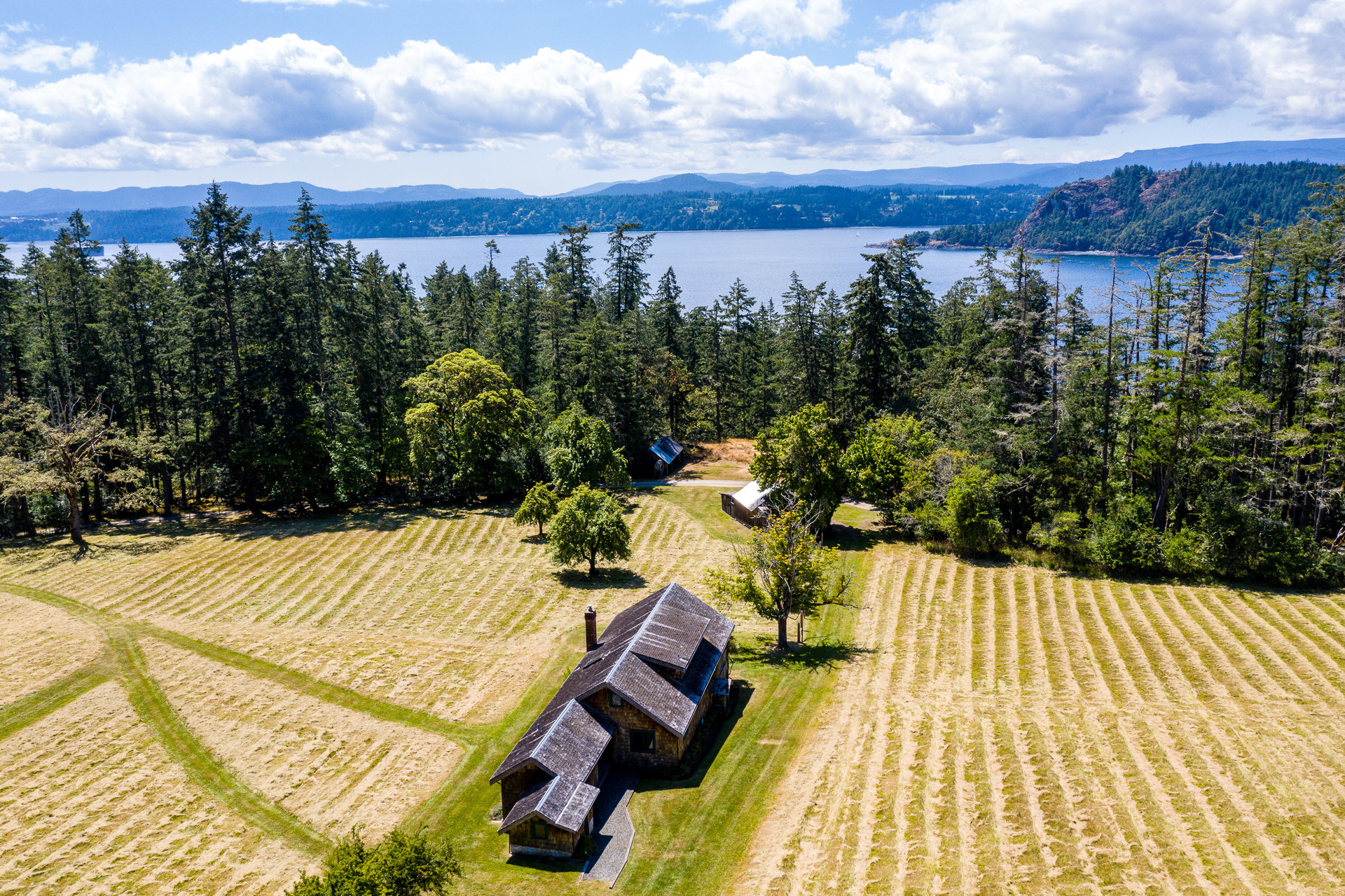
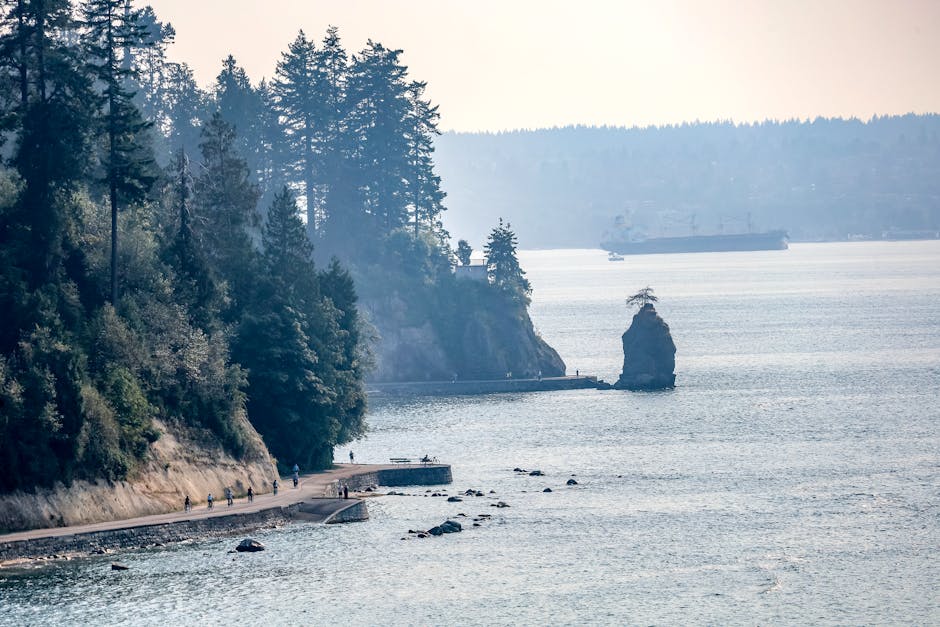
There are few places in the world where architecture meets landscape as dramatically as the shoreline of Vancouver Island. Coastal home design on Vancouver Island is a discipline that demands equal parts creativity and pragmatism — where every design decision is informed by the raw, beautiful, and sometimes unforgiving Pacific Northwest environment. Whether your property sits on a rocky bluff in Lantzville, a protected cove near Parksville, or an exposed stretch of the west coast, the design approach must respond directly to where land meets sea.
At AR Architecture, we work with clients across Vancouver Island and British Columbia who dream of waking up to the sound of waves and the sight of open water. Our role is to make that dream not only achievable but enduring — homes that are as resilient as they are beautiful.
Understanding the Coastal Environment Before You Design
Before a single line is drawn, a successful waterfront architecture BC project begins with a thorough understanding of site conditions. Coastal properties present a unique set of environmental challenges that inland sites simply do not share.
Salt air corrosion is one of the most significant concerns. Salt carried in ocean spray accelerates the deterioration of metals, finishes, and certain building materials. Left unaddressed in the design phase, this can lead to costly maintenance issues within just a few years of construction.
Wind exposure is another major factor. Properties on exposed headlands or open beaches can experience sustained winds and gusts that place significant loads on structures, windows, and rooflines. Pacific Northwest home design that ignores prevailing wind direction often results in uncomfortable, poorly performing homes — regardless of how good they look on paper.
Finally, storm resilience is a non-negotiable consideration. Atmospheric rivers, king tides, and winter storms are a regular part of life on Vancouver Island's coastline. A well-designed coastal home anticipates these events and responds with structural integrity, appropriate setbacks, and thoughtful drainage planning.
Material Choices That Stand Up to Salt and Storms
One of the most important conversations we have with coastal clients involves materials. The wrong choice — even a beautiful one — can become a maintenance burden or a structural liability over time. The right materials, however, can weather decades of coastal exposure while developing a natural patina that only enhances a home's character.
- Fiber cement cladding is a popular choice for coastal exteriors. It resists moisture, salt, and insects, holds paint well, and can be detailed to achieve a wide range of architectural expressions from contemporary to traditional.
- Cor-Ten steel, when used intentionally, develops a stable oxide layer that actually protects the metal beneath. Used for roofing accents, feature walls, or structural elements, it weathers beautifully in the Pacific Northwest climate.
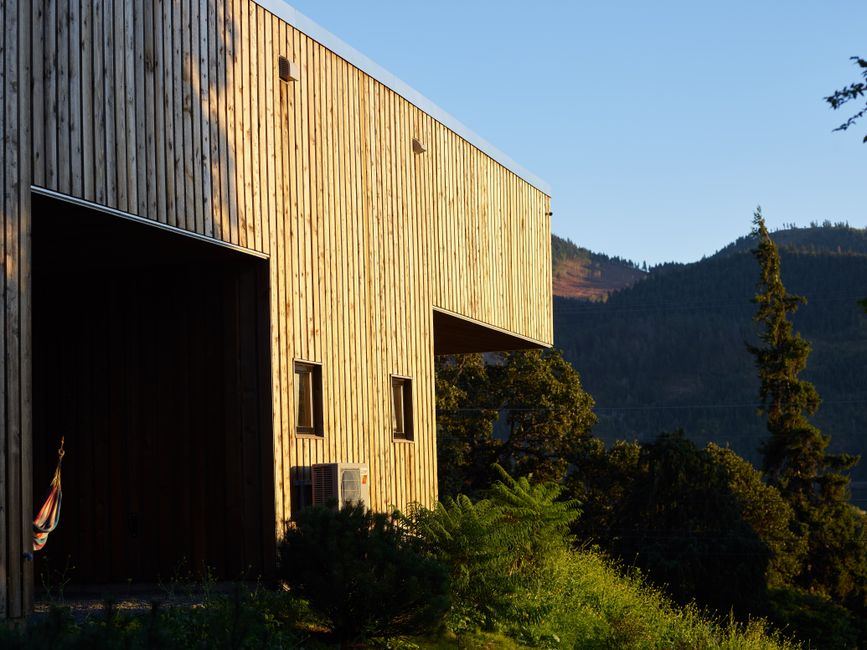
- Western red cedar is a regionally appropriate wood that performs well in wet coastal climates when properly detailed and maintained. Its natural oils offer some resistance to moisture and decay, and it connects the home visually to its BC setting.
- Concrete, particularly board-formed or polished variants, is increasingly used in Vancouver Island custom homes for its mass, thermal performance, and resistance to the elements.
- Aluminum-clad windows and doors outperform wood or vinyl in coastal conditions, offering durability against salt exposure while maintaining clean sightlines.
Hardware deserves special attention as well. Stainless steel or marine-grade hardware should be specified throughout — from hinges and handles to deck fasteners and railings — to prevent the unsightly and structurally problematic rust bleed that standard hardware produces near the ocean.
Window Placement: Capturing Views Without Sacrificing Performance
For most clients pursuing coastal living design ideas, the primary motivation is the view. Large expanses of glazing that frame the ocean, the islands, and the ever-changing sky are central to the experience of a waterfront home. But windows on coastal properties must be designed with care — oversized or poorly oriented glazing can create significant heat loss, glare, condensation, and vulnerability to wind-driven rain.
The key is strategic placement rather than blanket glazing. We approach window design by asking: which views are most important at which times of day, and from which rooms? A living room oriented to catch a sunset over the Strait of Georgia calls for a different glazing strategy than a bedroom where morning light and privacy matter more.
Triple-glazed windows with thermally broken frames are strongly recommended for exposed coastal positions, providing both thermal performance and acoustic insulation against wind and wave noise. Operable windows should be positioned to take advantage of prevailing summer breezes for natural ventilation, while fixed glazing can be used where the view is the priority and thermal performance is critical.
Roof overhangs play a dual role in coastal design — they shade south-facing glazing from summer sun, and they protect window assemblies from direct rain exposure, extending the life of seals and frames considerably.
Structural Considerations for BC's Rugged Shoreline
Waterfront architecture in BC must also address structural demands that go beyond a typical residential project. Depending on the site, these can include seismic design requirements, wind uplift loads on roofs and decks, and foundation systems that account for variable soil conditions near the water's edge.
Foundation design is particularly critical on coastal sites. Shallow soils, bedrock close to the surface, erosion potential, and seasonal water table fluctuations all influence the appropriate foundation approach. Helical piles, engineered concrete grade beams, and slab-on-grade systems each have their place depending on conditions.
Roof geometry also matters. Steeply pitched roofs shed water efficiently but can act as sails in high winds if not properly anchored. Shallow-pitched or flat roofs require careful waterproofing and drainage design but offer a lower profile against wind loads. The best coastal homes find a balance that suits both the aesthetic vision and the site's specific exposure.
"The most successful coastal homes we design are the ones where the architecture feels inevitable — as if the house could not exist anywhere else. That only happens when you truly understand the site."
Decks, terraces, and outdoor living spaces are essential to the coastal lifestyle but require robust structural detailing. Cantilevers, glass railings, and exposed timber decking all need to be engineered and specified for long-term performance in a salt-laden, high-moisture environment. Explore how these principles come together in real projects by visiting our project portfolio.
Integrating Indoor and Outdoor Coastal Living
The best Vancouver Island custom homes near the water blur the boundary between interior and exterior. Large sliding or folding door systems open living spaces directly onto covered terraces, allowing the home to breathe with the landscape on calm days while remaining protected during storms. Covered outdoor rooms — designed as true extensions of interior living — extend the usable season dramatically in BC's temperate coastal climate.
Landscape design is an integral part of this equation. Native coastal plantings not only connect the home to its setting but provide windbreaks, stabilize slopes, and reduce maintenance. Arbutus, Garry oak, beach grass, and native shrubs all thrive in Vancouver Island's coastal conditions and require minimal intervention once established.
Start Your Coastal Home Journey with AR Architecture
Designing a home on the coast of Vancouver Island is one of the most rewarding architectural challenges there is — and one of the most consequential. The decisions made at the design stage will determine not just how your home looks, but how it lives, how it performs, and how it endures. At AR Architecture, we bring deep experience in coastal home design on Vancouver Island and a genuine love for BC's remarkable shoreline environments. If you're ready to explore what's possible for your waterfront property, we'd love to hear from you. View our work and reach out to begin the conversation — your coastal home starts here.
Details
Author















.jpg)