


Coastal Outdoor Living Space Design BC: Year-Round Deck & Patio Ideas for Vancouver Island Homes
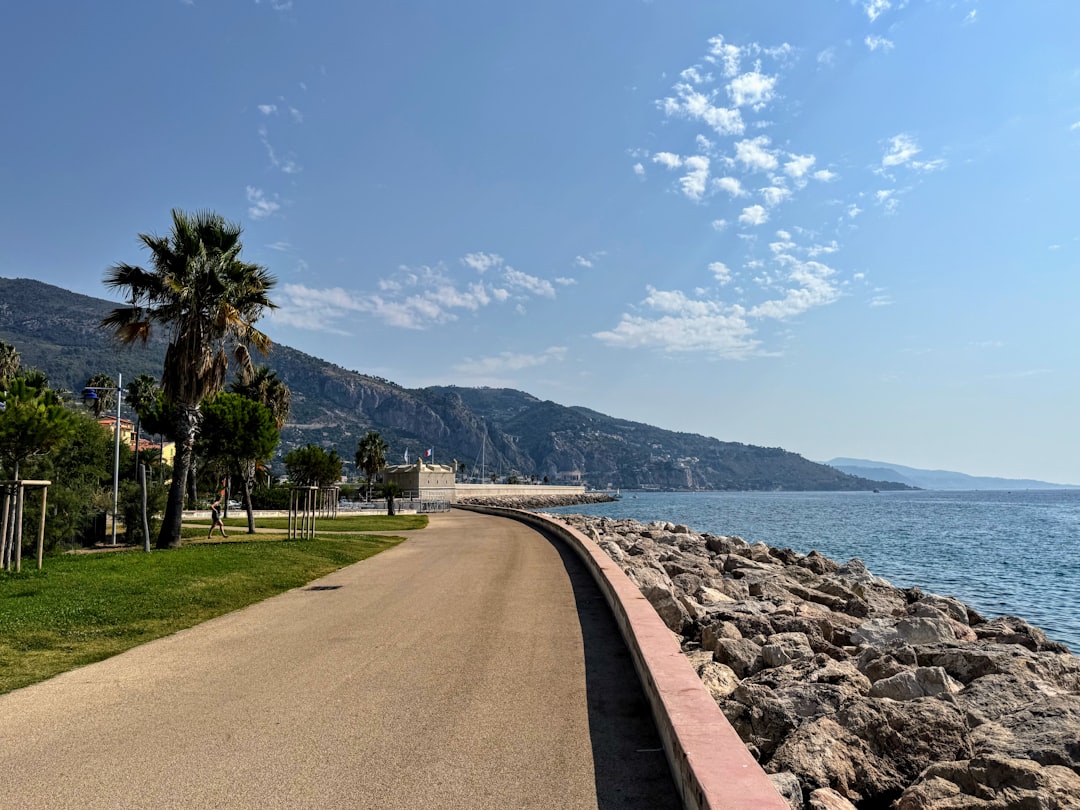
Designing for the Coast: Outdoor Living That Works Year-Round
Creating a truly functional coastal outdoor living space design in BC requires more than a deck and a few chairs. On Vancouver Island, where rainfall averages over 1,200mm annually in many communities, the difference between a space you use three months a year and one you enjoy twelve months a year comes down to thoughtful, climate-responsive architecture. At AR Architecture, we help homeowners throughout Nanaimo and across Vancouver Island design outdoor environments that are as livable as any room inside the home.
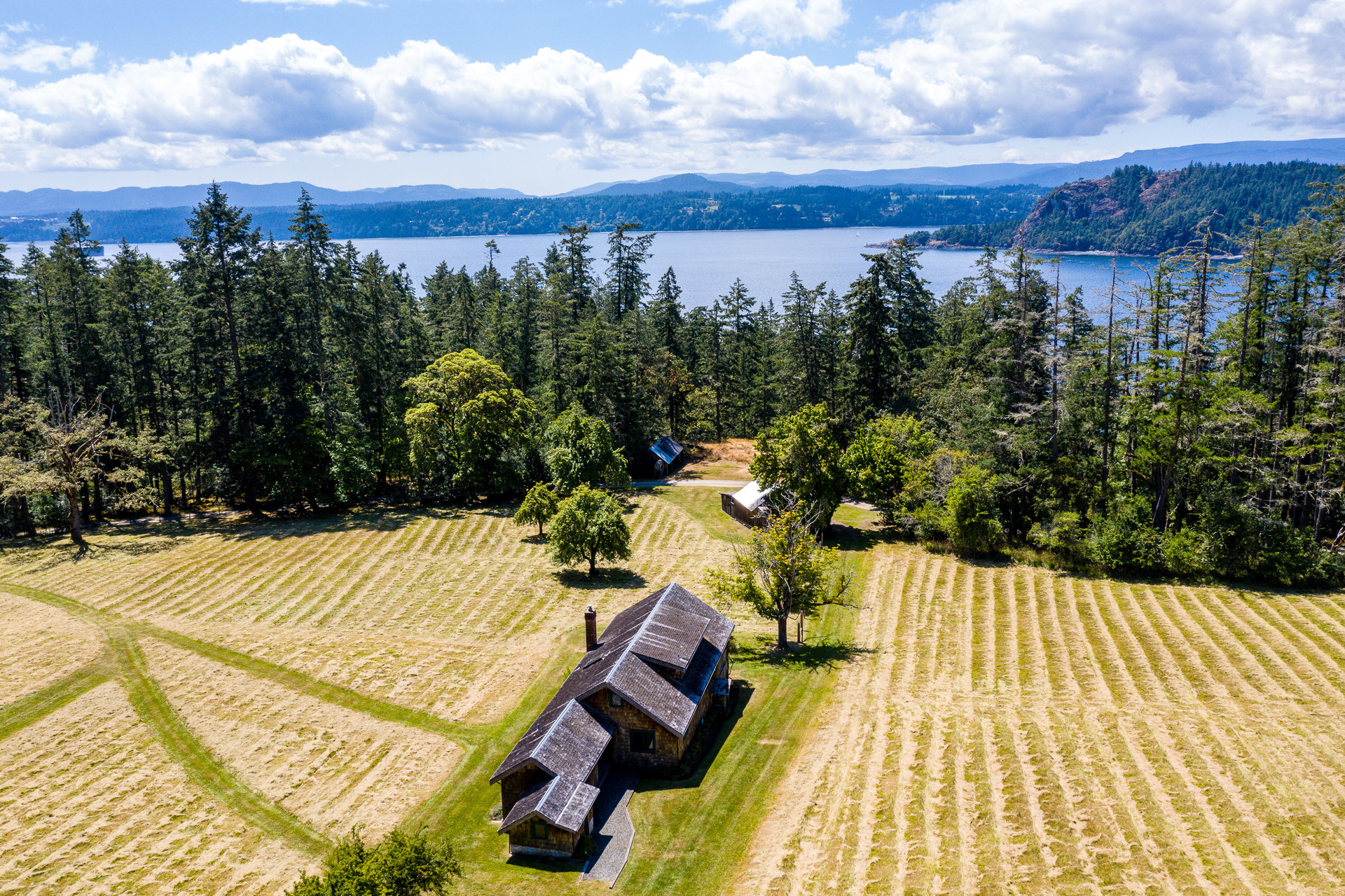
Whether you're perched above a rocky shoreline in Lantzville, tucked into a forested lot in Cedar, or building a new waterfront home on the east coast of the island, the principles remain the same: protect from the elements, connect meaningfully to the interior, and choose materials that age gracefully in a marine environment.
Understanding the Vancouver Island Coastal Climate
Before pencil meets paper, a good architect studies the site. Vancouver Island's coastal climate is defined by mild but wet winters, prevailing southwest winds, salt air exposure near the water, and bursts of glorious summer sun. Any serious approach to covered deck design on Vancouver Island must account for all of these conditions simultaneously.
A covered structure that blocks rain but ignores wind direction will still leave you cold and uncomfortable. A pergola that frames a beautiful ocean view but faces directly into afternoon glare will be abandoned by July. Effective outdoor room design on BC's coast begins with a careful solar and wind analysis, followed by an architectural response that filters, shelters, and celebrates what the landscape offers.
- Prevailing wind direction: Site-specific wind studies help orient covered structures for maximum shelter without blocking desirable breezes.
- Sun angles: Seasonal sun path analysis ensures overhangs shade summer sun while allowing lower winter light to warm your space.
- Rainfall management: Proper drainage slopes, gutter integration, and permeable hardscape prevent pooling and long-term moisture damage.
- Salt air exposure: Waterfront properties require materials and finishes specifically rated for marine-grade conditions.
Covered Structures: The Key to Year-Round Use
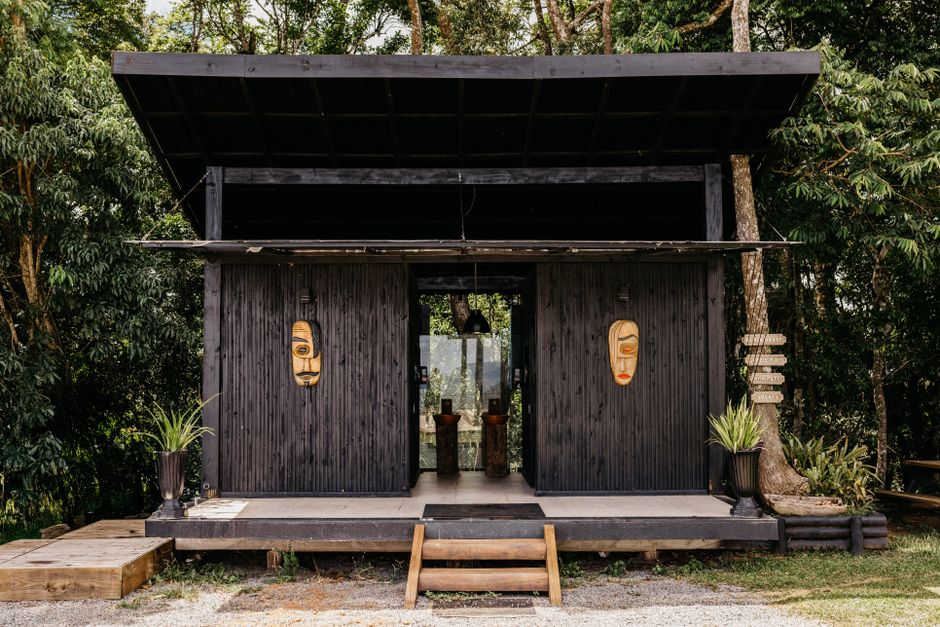
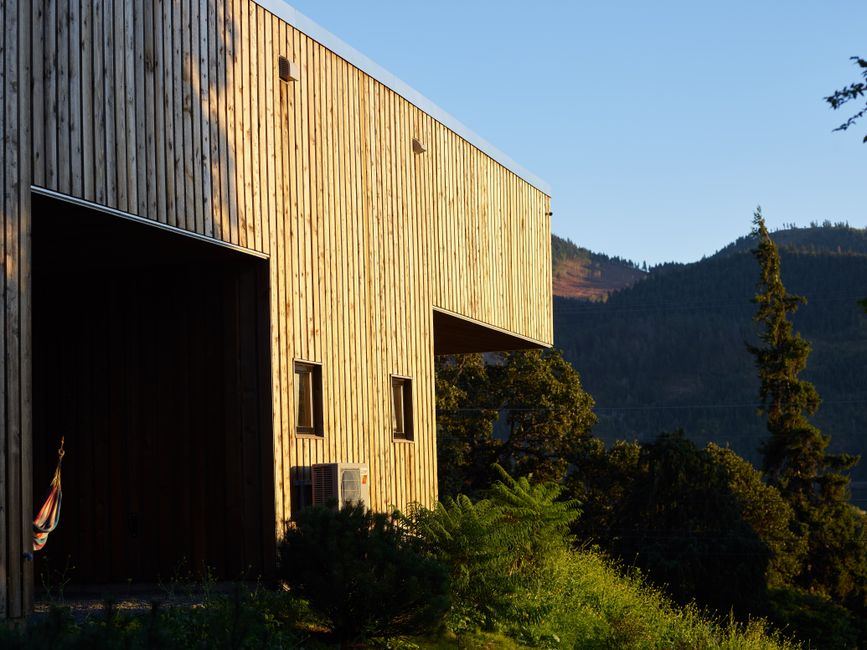
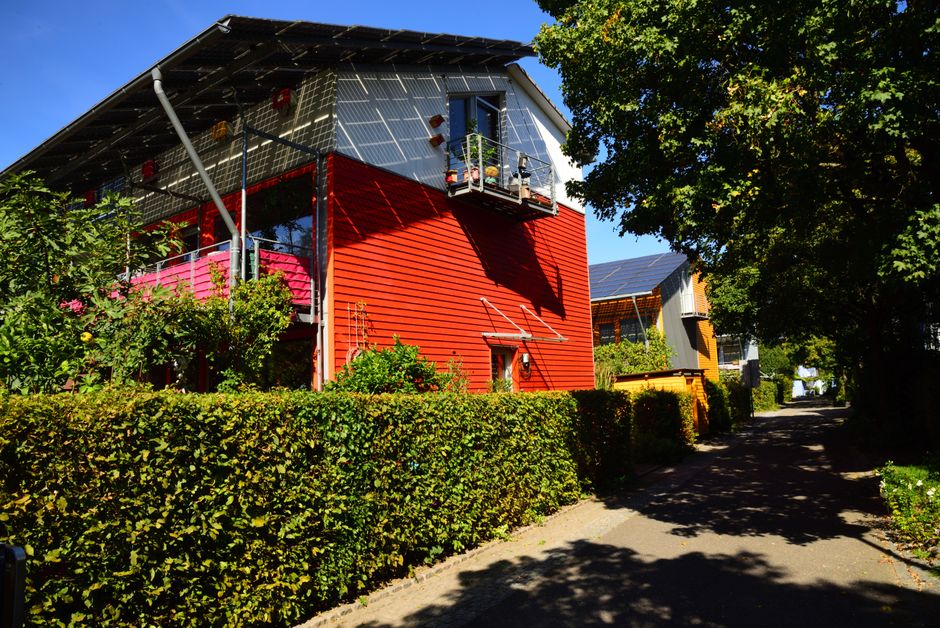
The single most impactful design move for extending your outdoor season on Vancouver Island is a well-designed covered structure. This goes far beyond a standard patio umbrella. Architecturally integrated roof forms — whether a shed roof extending from the home's roofline, a freestanding pavilion, or a hybrid pergola with retractable glass panels — transform an exposed deck into a true outdoor room on BC's coast.
At AR Architecture, we design covered deck and patio structures that feel like a natural extension of the home rather than an afterthought. Matching roof pitches, complementary cladding materials, and coordinated structural details ensure your outdoor room reads as part of the architecture, not bolted onto it. This integration is not just aesthetic — it directly increases your property's appraised value and curb appeal.
Popular Covered Structure Options for Island Homes
- Extended roof overhangs: The simplest and most seamless solution, where the home's existing roof line is extended to shelter an adjacent deck. Ideal for renovation projects with compatible roof geometry.
- Attached covered patios: A dedicated lean-to or shed-roof structure attached to the home's exterior wall, creating a clearly defined outdoor room with substantial weather protection.
- Freestanding pavilions: Perfect for larger lots or when the desired outdoor space is removed from the main structure. These can incorporate outdoor kitchens, fire features, and full electrical service.
- Glass and polycarbonate roofing systems: For homeowners who want rain protection without sacrificing natural light, modern glazing systems offer beautiful, durable solutions that maintain the connection to the sky above.
Material Selection: Built to Last on the BC Coast
Material durability is non-negotiable in a marine environment. The combination of moisture, UV exposure, salt air, and freeze-thaw cycles on Vancouver Island accelerates the deterioration of materials that perform well in drier inland climates. Choosing the right materials for your coastal outdoor living space in BC is both a design and an investment decision.
For decking surfaces, we frequently specify thermally modified wood, composite decking with solid-core construction, or pressure-treated lumber with appropriate finishing systems. Each has trade-offs in cost, appearance, and maintenance requirements, and the right choice depends on your specific site, budget, and aesthetic goals. Aluminum and stainless steel hardware are essential at waterfront locations where standard galvanized fasteners will rust within a few seasons.
Structural framing for covered outdoor spaces should be designed with moisture management in mind — this means proper flashing at all wall connections, ventilated cavities where applicable, and post bases that lift wood members clear of standing water. Our team's experience with waterfront home design on Vancouver Island means we anticipate these details before they become expensive problems.
Recommended Durable Materials for Coastal BC Outdoor Spaces
- Decking: Thermally modified ash or pine, Ipe hardwood, or high-quality composite boards
- Structural members: Douglas fir or western red cedar for exposed timber, steel for long-span applications
- Hardware and fasteners: 316 stainless steel or hot-dipped galvanized at minimum; marine-grade aluminum for railings
- Paving: Porcelain tile rated for freeze-thaw, natural stone, or permeable concrete pavers
- Screening and privacy walls: Western red cedar, powder-coated aluminum, or Corten steel panels
Privacy Screening and Landscape Integration
A beautiful outdoor room loses its appeal quickly if you feel exposed to neighbours, the street, or passing boat traffic. Thoughtful privacy screening is an integral part of our approach to landscape architecture in Nanaimo and across Vancouver Island. Privacy doesn't have to mean tall, opaque fences — in fact, the most successful solutions layer architectural screens with planted material to create enclosure that feels natural and dynamic.
Vertical cedar battens on a steel frame, for example, can provide privacy from a specific sightline while remaining open to breezes and light from other directions. Combined with a hedge of salt-tolerant native shrubs — such as Nootka rose, red-twig dogwood, or shore pine — the result is a layered boundary that improves with every passing season. We work closely with landscape consultants to ensure hardscape and planted elements are coordinated from the outset, not treated as separate scopes of work.
Explore how AR Architecture approaches integrated indoor-outdoor design across a range of project types at our projects portfolio, where you'll find examples of decks, covered patios, and landscape-integrated residential work throughout BC.
Indoor-Outdoor Connection: Where Architecture Adds the Most Value
The relationship between your interior living spaces and your outdoor room is where great architecture makes the biggest difference. A well-designed transition — achieved through large sliding or folding glass wall systems, level thresholds between interior flooring and deck surfaces, and coordinated material palettes — creates the perception of expanded space even when the doors are closed.
In practice, this means aligning your kitchen or living room directly with the covered outdoor area, selecting continuous flooring materials that read as one surface from inside to out, and positioning outdoor seating to take advantage of the same views your interior spaces enjoy. These decisions need to be made at the design stage, not retrofitted after construction — which is why working with an experienced architecture office from the beginning of your project pays dividends throughout the life of your home.
Properties with thoughtfully designed indoor-outdoor connections consistently outperform comparable homes in the Vancouver Island real estate market. Buyers recognize and pay for livable outdoor space, particularly when it's sheltered, private, and architecturally integrated.
Ready to Design Your Coastal Outdoor Living Space?
Whether you're planning a new build on the waterfront, renovating an existing home in Nanaimo, or developing a coastal property anywhere on Vancouver Island, AR Architecture brings the design expertise and local climate knowledge to create outdoor living spaces that genuinely improve how you live. Contact our team today to start a conversation about your project — we'd love to help you make the most of where you live.
Details
Author











.jpg)