


Sustainable Home Building on Vancouver Island: Practical Strategies That Pay Off

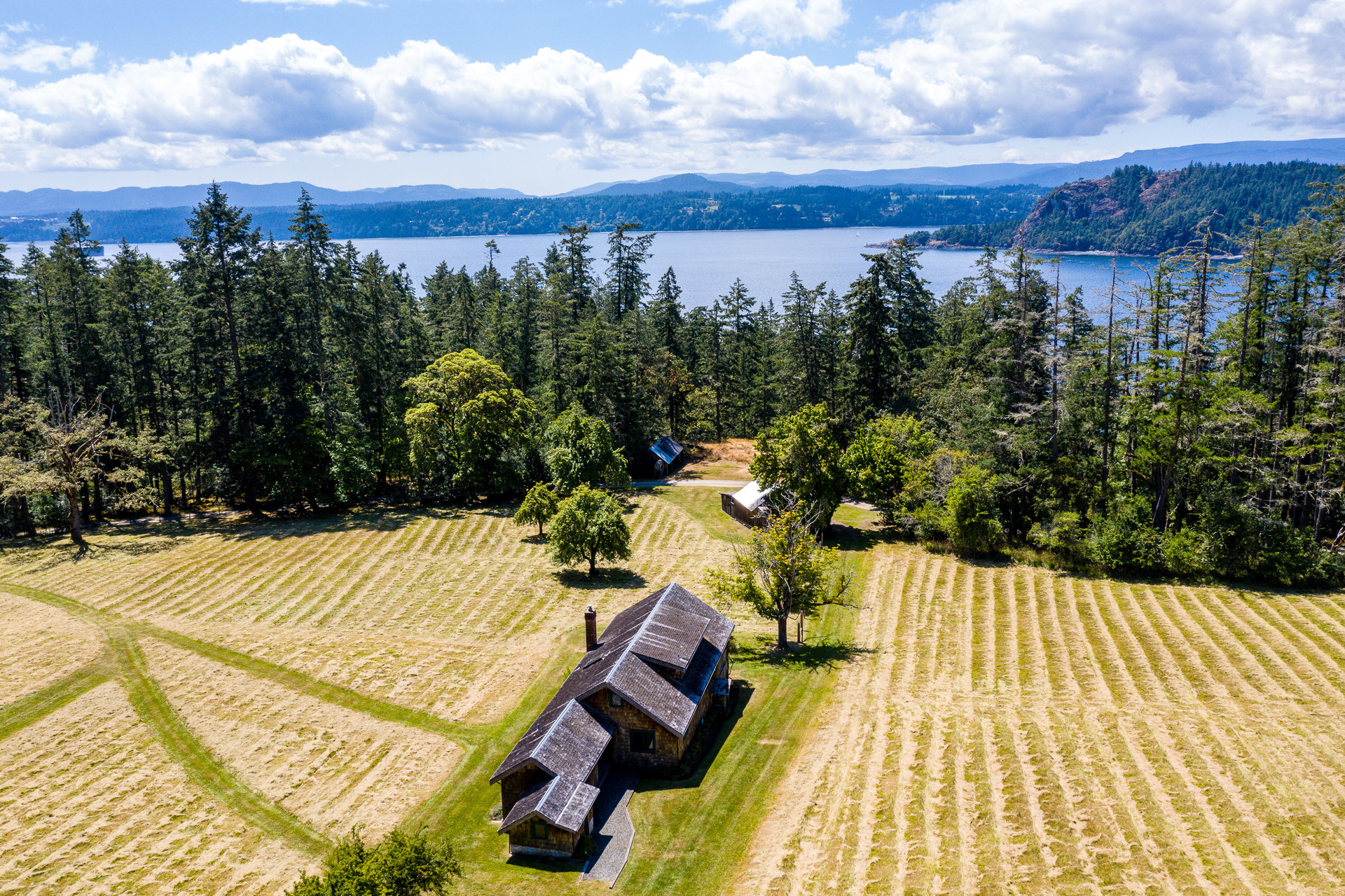
Why Sustainable Home Building Makes Sense on Vancouver Island
If you've been exploring sustainable home building on Vancouver Island, you're already ahead of the curve. The Island's mild, wet winters, abundant natural light, and access to local materials make it one of the best places in Canada to build a home that works with its environment rather than against it. Yet many homeowners still hesitate, worried that green building in BC means a bigger upfront price tag with uncertain returns. In this article, we'll break down the most practical strategies for building sustainably on the Island — and explain why the long-term math almost always favours going green.
Passive Solar Design: Let the Sun Do the Work
One of the most cost-effective tools in passive house design in Nanaimo and across Vancouver Island is passive solar design. This approach uses your home's orientation, window placement, and thermal mass to naturally heat and cool your living spaces — no expensive mechanical systems required.
On Vancouver Island, the sun tracks low in the winter sky and high in the summer. By positioning your home with the main glazing facing south and using deep roof overhangs, you can maximize winter solar gain while blocking the summer sun. Concrete floors, stone countertops, and masonry walls absorb daytime heat and release it slowly overnight — keeping your home comfortable with minimal energy input.
- South-facing windows should make up 7–12% of your floor area for optimal gain
- Thermal mass materials like polished concrete slab floors work beautifully in Island homes
- Proper shading through overhangs or deciduous trees prevents summer overheating
When passive solar principles are integrated from the earliest design stage, they add little to no cost — and they can dramatically reduce your heating load before you even think about mechanical systems.
Rainwater Management for the Coastal Climate
Vancouver Island receives significant rainfall, particularly through the fall and winter months. Rather than treating stormwater as a nuisance to be piped away, smart energy efficient homes on Vancouver Island are increasingly designed to capture, manage, and reuse it.
Rainwater harvesting systems can collect water from your roof for toilet flushing, laundry, and garden irrigation — reducing municipal water demand and lowering utility bills. In more rural parts of the Island, a well-designed collection system can even support potable water needs with the appropriate filtration.
Beyond collection, site grading, bioswales, and permeable paving help manage runoff naturally, protecting your foundation and reducing erosion on sloped Island properties. These strategies are particularly valuable on the rocky, uneven terrain common around Nanaimo, Parksville, and the Cowichan Valley.
"Designing with the water cycle, rather than against it, is one of the most enduring principles of sustainable architecture on the coast."
Locally Sourced Materials: Building With What's Here
One of the most overlooked pillars of green building in BC is the use of locally sourced and harvested materials. Vancouver Island has a rich forestry tradition, and responsibly sourced BC timber — from Douglas fir to cedar — is both a structural and aesthetic asset. Using local materials dramatically reduces the embodied carbon of your home, which is the carbon produced during the manufacture and transportation of building products.
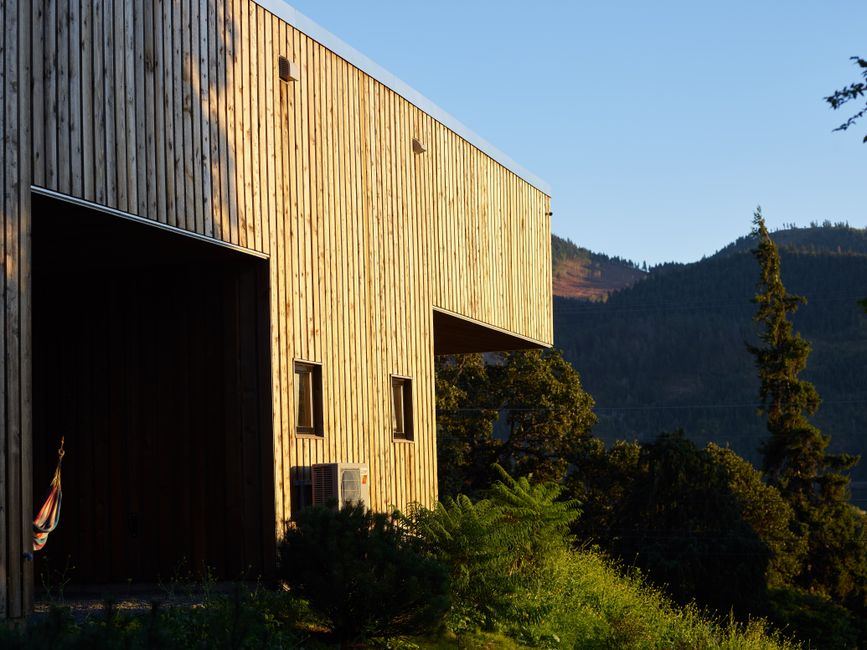
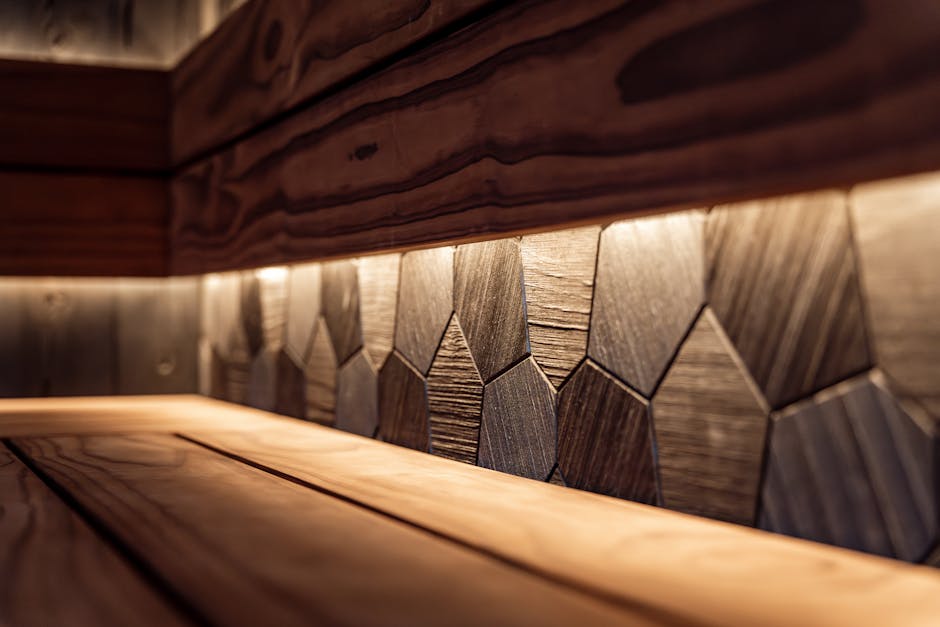
Mass timber construction, exposed wood framing, and reclaimed lumber are all gaining traction among design-forward architects and homeowners on the Island. Cedar, in particular, is naturally resistant to moisture and insects — making it ideal for exterior cladding in the coastal climate without the need for chemical treatments.
- FSC-certified BC timber supports sustainable forestry practices and keeps dollars local
- Reclaimed wood and brick reduce waste and add character to new builds
- Local stone and aggregate for landscaping and hardscaping cuts transport emissions
Working with an architecture office that understands local suppliers and material chains means you can source beautiful, durable materials without inflating your carbon footprint or your budget. Explore how AR Architecture incorporates these principles across our residential and custom home projects.
The Real Cost of Green Building — Busting the Myths
The most persistent misconception about sustainable home building is that it's simply too expensive for the average homeowner. The reality is more nuanced — and more encouraging.
Yes, some green technologies carry a higher upfront cost. Triple-glazed windows, heat pump systems, and enhanced insulation packages do require more initial investment than their conventional counterparts. But when you account for the lifetime of a home — typically 50 to 100 years — the energy savings, lower maintenance costs, and improved durability of well-built sustainable homes tell a very different story.
For example, a well-insulated, air-tight home built to near net zero home design standards in BC can reduce heating and cooling costs by 60–80% compared to a code-minimum build. Over 25 years, that translates to tens of thousands of dollars in savings. BC Hydro and CleanBC also offer rebates and incentive programs that can offset the cost of heat pumps, insulation upgrades, and energy modelling — further closing the gap.
- Energy modelling at the design stage shows you exactly where to invest for maximum return
- Federal and provincial rebates through programs like Canada Greener Homes can reach $10,000+
- Resale value of energy-efficient homes on Vancouver Island is consistently higher and rising
There's also the livability factor, which rarely shows up in spreadsheets but matters enormously to the people who live in these homes. Passive house-inspired buildings are quieter, have more consistent temperatures from room to room, experience less condensation and mould risk, and simply feel better to live in. That quality of life benefit is real — and it's something AR Architecture designs toward in every project.
Integrating These Strategies: The Design-First Approach
The most important lesson from sustainable building practice is that these strategies work best when they're integrated from the very beginning of the design process — not added as upgrades at the end. Passive solar orientation, rainwater systems, material selection, and envelope performance are all interconnected. A change in one affects the others.
This is why working with an architecture office that understands both the technical and aesthetic dimensions of sustainable design is so valuable. The right design decisions made early — site orientation, window-to-wall ratios, roof overhangs, structural systems — can deliver significant environmental and financial benefits at little or no additional cost.
On Vancouver Island, the climate, landscape, and available materials give us a genuine advantage. We don't need to import solutions from elsewhere. The best sustainable homes here are the ones that respond honestly to where they are — to the rain, the light, the timber, and the terrain.
Ready to Build Smarter on Vancouver Island?
Whether you're planning a new custom home, a significant renovation, or simply want to understand what sustainable design could mean for your property, AR Architecture is here to help. Our team brings deep experience in energy efficient home design across Vancouver Island, from passive solar strategy to material selection and everything in between. We'd love to talk about your project — see what we've built and reach out to start the conversation. Let's design something that lasts.
Details
Author




.jpg)