


Custom Home Design on Vancouver Island: Why Architect-Designed Homes Are Worth It
What Makes Custom Home Design on Vancouver Island Different?
If you've been dreaming of building a home on Vancouver Island, you've likely encountered two very different paths: purchasing a spec build from a production builder, or investing in custom home design on Vancouver Island with a qualified architect. The difference between these two approaches is far greater than most homeowners initially realize — and on the Island, where coastal conditions, dramatic topography, and a distinct way of life all shape what a home needs to be, that difference matters enormously.
At AR Architecture, based in Nanaimo, BC, we work with homeowners across Vancouver Island and coastal British Columbia to create homes that are deeply rooted in their site, their climate, and their lives. This article explores why architect-designed homes consistently outperform spec builds in both livability and long-term value — and what the design process actually looks like when you work with a local firm that knows this landscape intimately.
Spec Builds vs. Architect-Designed Homes: Understanding the Gap
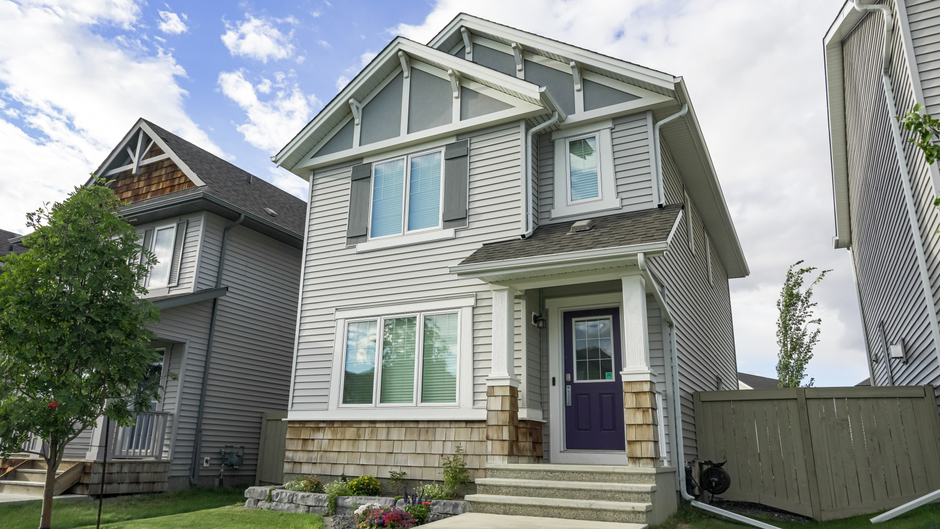
Spec homes are built to appeal to the broadest possible market. Builders make decisions based on cost efficiency and resale speed, not on the specific qualities of a site or the particular needs of a family. The result is a home that could exist almost anywhere — disconnected from its surroundings, oriented without regard for sun angles or prevailing winds, and finished with materials chosen for margin rather than performance.
Architect designed homes in BC take the opposite approach. Every decision — from where the front door faces to how the roofline manages rainwater — is made in direct response to the land, the climate, and the people who will live there. On Vancouver Island, this kind of intentional thinking isn't a luxury. It's the difference between a home that thrives in a coastal environment and one that quietly deteriorates under it.
Consider moisture management alone. The wet season on the Island is long and relentless. A properly designed home accounts for this at every scale: deep overhangs that protect walls and windows, material choices that handle repeated wetting and drying cycles, and drainage strategies that work with the site's natural hydrology rather than against it. These aren't afterthoughts in a well-designed home — they're foundational decisions made early in the process.
The Role of Site and Orientation in Residential Architecture
One of the most significant contributions an architect makes in residential architecture on Vancouver Island is the careful reading of a site before a single line is drawn. Slope, aspect, existing vegetation, views, prevailing winds, and solar access all inform where the home sits, how it's oriented, and how its spaces are organized.
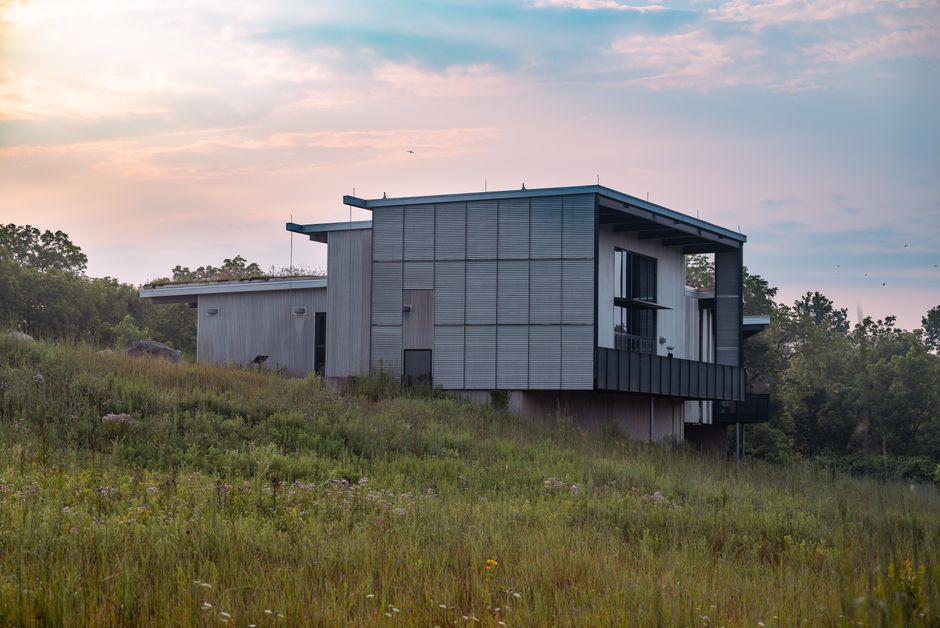
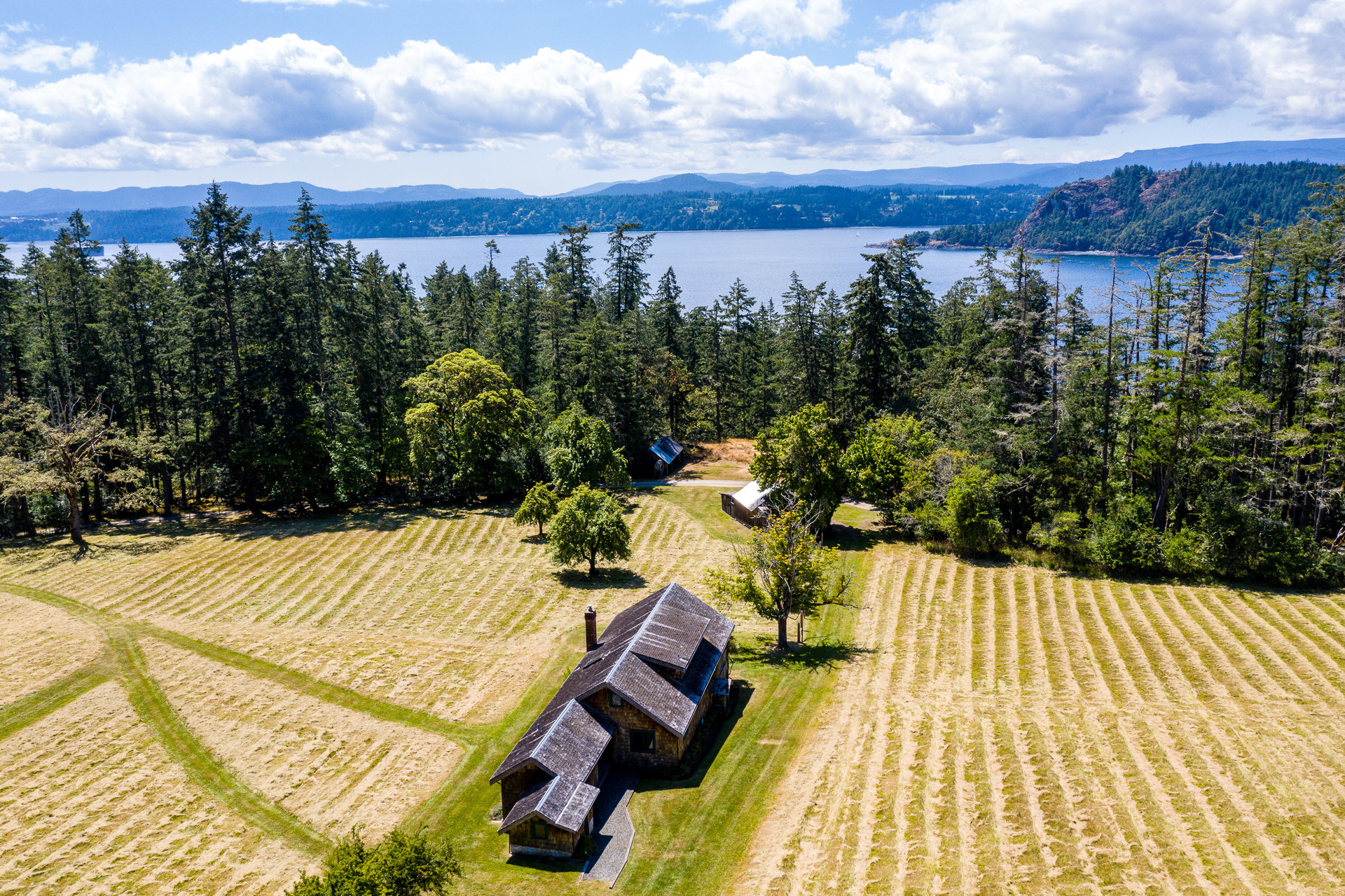
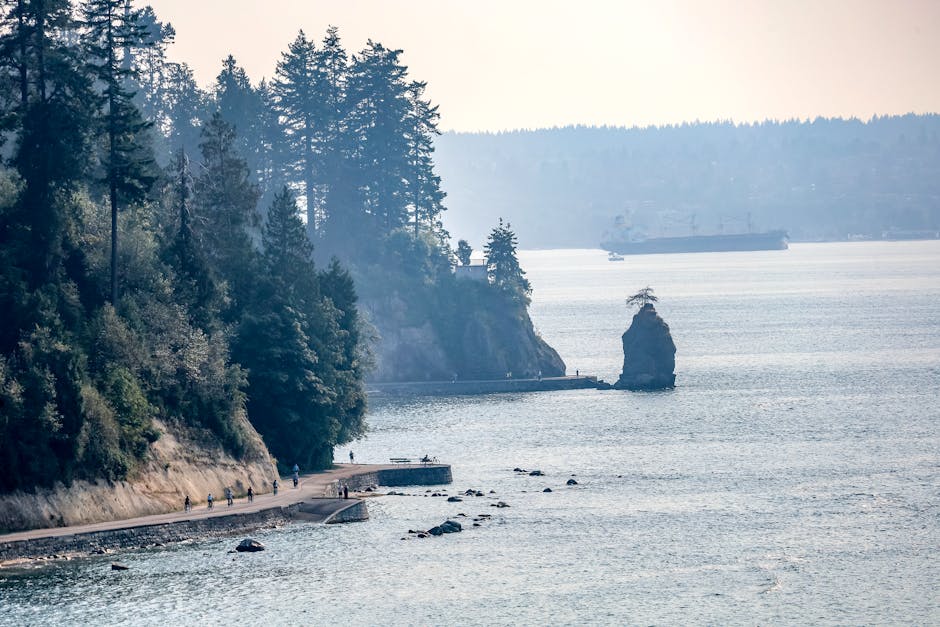
On the Island, many of the best properties come with complexity: steep terrain, proximity to the ocean, mature Garry oaks, or irregular lot shapes that would challenge a standard plan. A skilled architect sees this complexity as opportunity. A hillside lot becomes a chance for a split-level home that captures panoramic views while stepping lightly on the land. A narrow coastal parcel becomes the basis for a linear plan that opens toward the water and shelters from the wind.
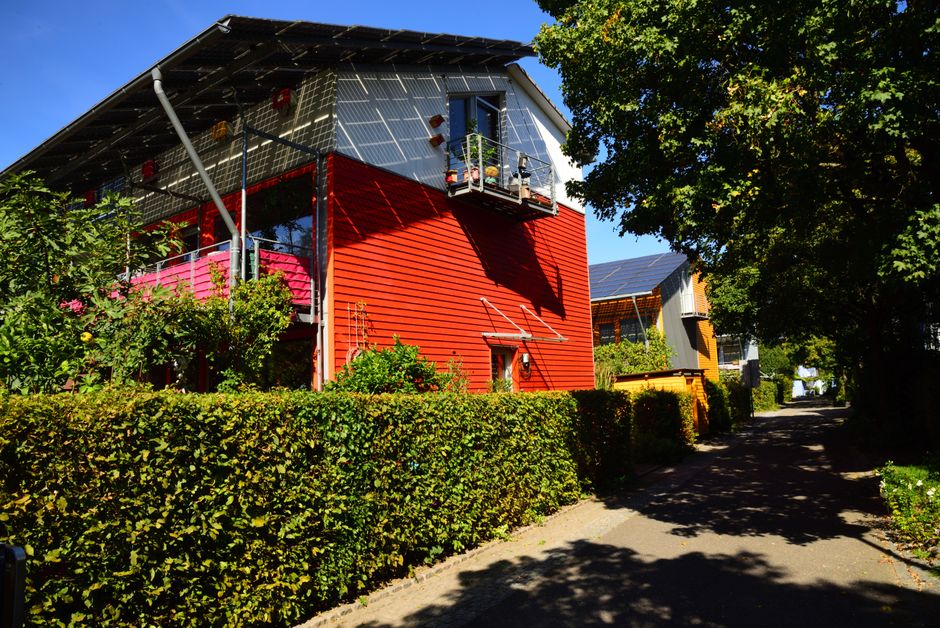
Solar orientation is another area where local expertise pays dividends. Positioning living spaces to face south or southwest maximizes passive solar gain through the winter months, reducing heating loads and filling rooms with natural light during the grey season. This kind of passive design strategy costs nothing to build but saves significantly over the life of the home — and it's simply not something a standard plan delivers.
"The best homes on Vancouver Island feel inevitable — as though they could only exist on that particular piece of land. That feeling doesn't happen by accident. It's the result of a rigorous, site-specific design process."
Material Selection for Coastal BC Conditions
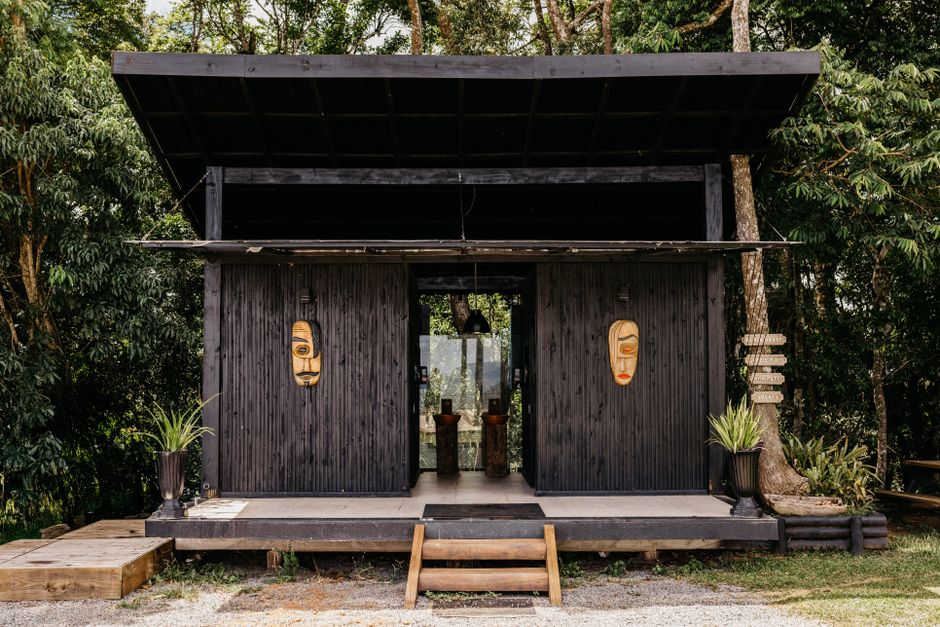
Material selection is where bespoke home design in BC truly distinguishes itself. Coastal conditions are demanding. Salt air accelerates corrosion. High humidity drives moisture into wall assemblies if they're not detailed carefully. UV exposure degrades finishes faster than in drier climates. And the visual character of the Island — its forests, rocky shorelines, and grey-green winters — calls for materials that feel at home in that landscape.
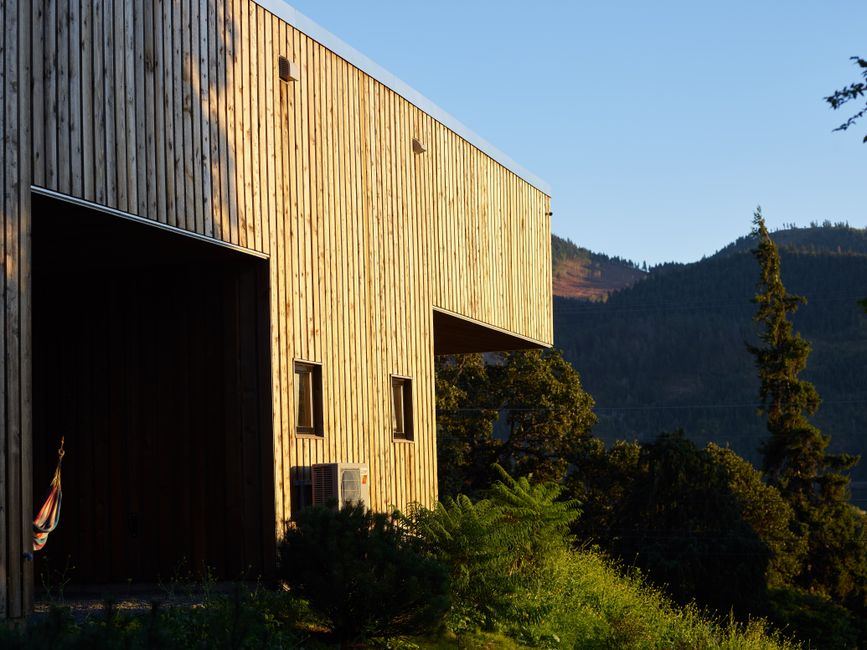
Working with a local architect means your home benefits from years of accumulated knowledge about what performs and what doesn't in this specific environment. At AR Architecture, we specify materials that we know hold up over time: heavy timber elements that age gracefully, metal claddings that handle coastal exposure, and wood species suited to the moisture cycles of the Pacific Northwest. We also work closely with custom home builders in Nanaimo and across the Island who understand how to execute these details properly — because the best specification in the world is only as good as its installation.
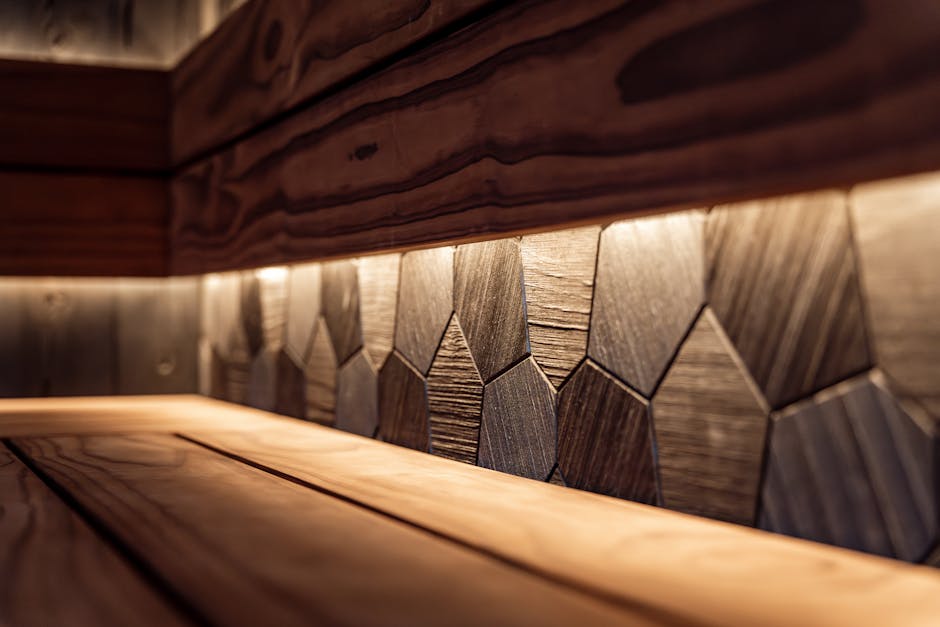
Beyond durability, material selection is also a primary driver of a home's character. The warmth of a Douglas fir ceiling, the weight of a board-formed concrete wall, the texture of a locally sourced stone — these elements connect a home to its place in ways that no catalogue finish can replicate.
Navigating the Design Process: What to Expect
Many homeowners approach a custom project with some uncertainty about what the architectural process actually involves. Here's a straightforward overview of how a project typically unfolds when you work with a design-focused office like AR Architecture.
- Discovery and programming: We begin by understanding how you live — not just how many bedrooms you need, but how you move through a home, how you entertain, where you want quiet and where you want connection. This conversation shapes everything that follows.
- Site analysis: We visit the site, assess its opportunities and constraints, and develop a clear picture of how the home should relate to its surroundings.
- Schematic design: Early design explorations translate the program and site analysis into spatial concepts. This is where big ideas about form, orientation, and organization are tested.
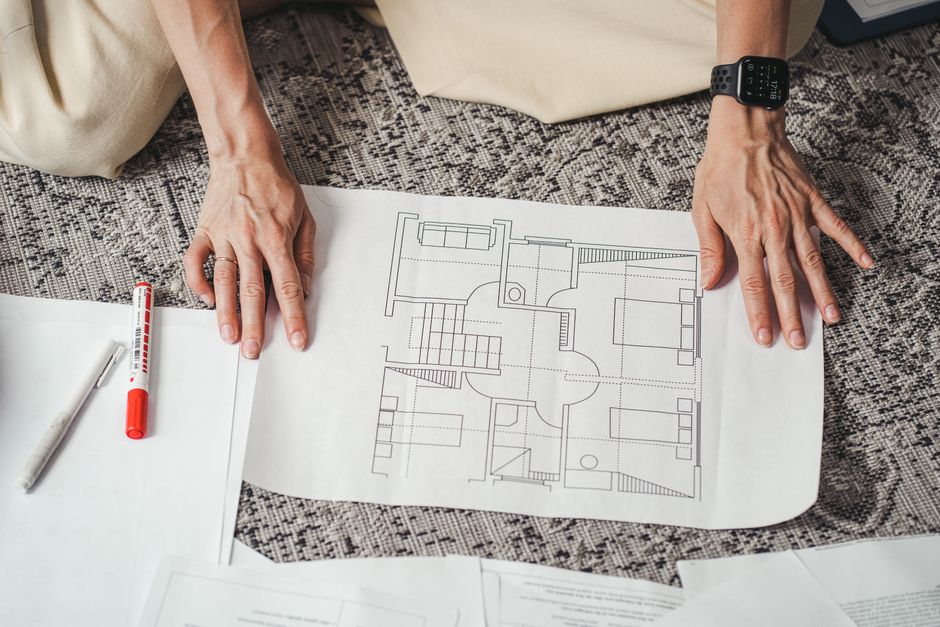
- Design development: The preferred scheme is refined in detail — floor plans, elevations, sections, and material palettes are developed to a level where the home begins to feel real.
- Construction documents: A full set of technical drawings and specifications is prepared for permitting and construction. The quality of these documents directly affects the quality and cost certainty of the build.
- Construction administration: We stay involved during construction, reviewing shop drawings, responding to site questions, and ensuring the built work matches the design intent.
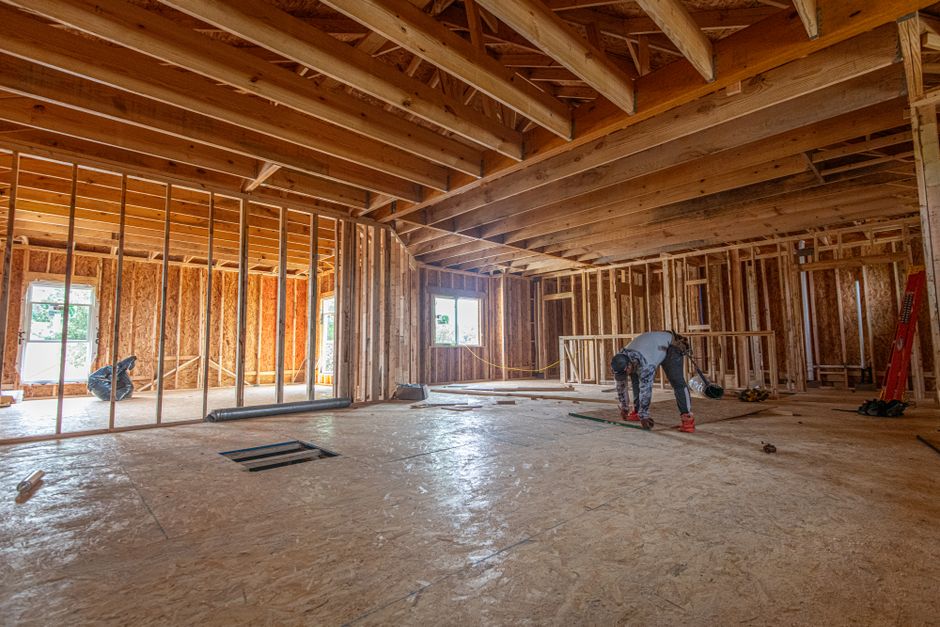
This process takes time — typically eight to fourteen months from initial design to permit, depending on complexity. But it's time invested in getting the decisions right before construction begins, when changes are inexpensive rather than after, when they are not.
Why Local Expertise Matters on Vancouver Island
Vancouver Island is not a generic place, and it deserves homes that reflect that. The Island has its own building code interpretations, its own seismic and wind load requirements, its own municipal planning cultures, and its own community of skilled tradespeople and suppliers. Navigating this landscape efficiently requires relationships and experience that only come from working here consistently.
A local architect also brings something less tangible but equally important: a genuine understanding of what it means to live on the Island. The rhythm of the seasons, the relationship between indoor and outdoor living, the visual language of the landscape — these inform design decisions in ways that are hard to articulate but immediately felt when you walk into a home that gets them right. You can explore examples of this approach in our completed projects portfolio, where you'll find homes across Vancouver Island and coastal BC that reflect this commitment to place-based design.
Start Your Custom Home Journey with AR Architecture
If you're considering building a custom home on Vancouver Island, the most valuable investment you can make at the outset is in the right design partner. At AR Architecture, we bring together rigorous design thinking, deep local knowledge, and a collaborative process that keeps you informed and engaged from the first conversation to the final walkthrough. Whether you're drawn to a modern coastal aesthetic, a warm timber-framed retreat, or something entirely your own, we're here to help you build a home that's made for this place — and made for your life. Contact AR Architecture today to begin the conversation about your project.
Details
Author








.jpg)