


Custom Home Design on Vancouver Island: What to Expect Working With a Local Architect
Why Custom Home Design on Vancouver Island Is Unlike Anywhere Else
If you've been dreaming of a home that's truly your own, custom home design on Vancouver Island offers something rare: the chance to build a residence shaped by one of the most dramatic and livable landscapes in Canada. But for many homeowners, the process between that initial dream and breaking ground feels like a mystery. What does an architect actually do? How long does it take? What decisions will you need to make, and when?
At AR Architecture, our Nanaimo-based design studio works with clients across Vancouver Island and coastal BC to guide them through every phase of the process — from reading the land beneath their feet to producing the detailed drawings that bring a home to life. This article walks you through what that journey actually looks like.
Phase One: Understanding Your Site and Your Vision
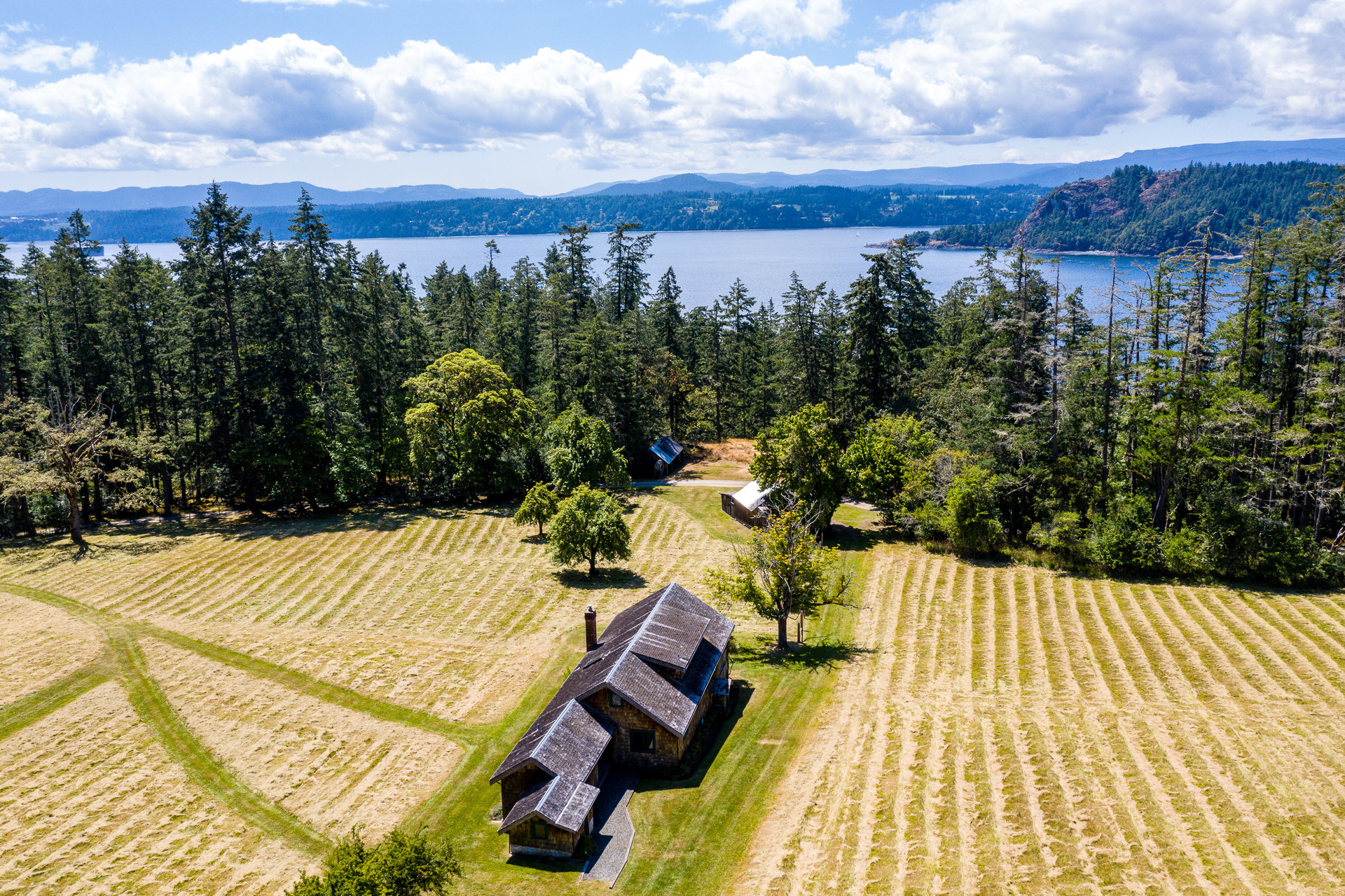
Every custom home begins not with a floor plan, but with a conversation and a site visit. As a Vancouver Island architect, one of the most important things we do early on is read the land. Vancouver Island's terrain is remarkably varied — rocky coastal bluffs, forested hillsides, river valleys, and agricultural flatlands all present different opportunities and constraints.
During initial site analysis, we look at several key factors:
- Solar orientation: Where does the sun travel across your property through the seasons? This shapes window placement, passive solar gain, and shading strategies.
- Prevailing winds and weather exposure: Coastal BC is beautiful, but it's also wet and sometimes wild. Understanding wind patterns and rain exposure informs how we orient and shelter a home.
- Views and privacy: We map sight lines — both the ones you want to frame and the ones you want to screen.
- Topography and drainage: Slope, soil type, and how water moves across the land all affect where and how a home is positioned.
- Zoning and easements: Local bylaws in municipalities like Nanaimo, Parksville, or the Cowichan Valley each have their own setback rules, height restrictions, and development requirements.
Alongside the site, we spend significant time understanding your lifestyle. How do you actually live day to day? Do you work from home? Do you cook seriously, entertain often, or value quiet retreat above all? This discovery process ensures that what gets designed is genuinely yours — not a template adapted after the fact.
Phase Two: Concept Development and Design Exploration
Once we have a clear picture of your site and your life, the design process begins in earnest. This is where bespoke home design in coastal BC really distinguishes itself from buying a pre-drawn plan or working with a production builder.
In concept development, we explore multiple design directions — often through hand sketches, massing models, and early digital studies. We're asking questions like: Should the home hug the hillside or stand above it? Should the main living spaces face the water or the forest? Where does the threshold between public and private space fall? How does the home age gracefully in this climate?
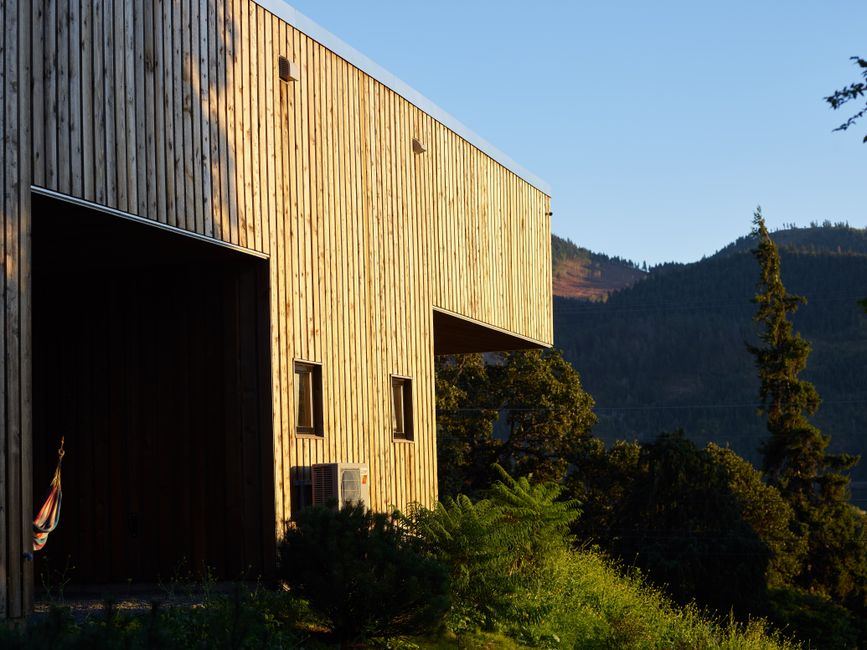
For Vancouver Island projects specifically, residential architecture in BC must grapple with the realities of a coastal climate: high rainfall, salt air in exposed locations, temperature swings, and the need for robust moisture management. Material choices made at the concept stage — wood species, cladding types, roofing systems — are all informed by how a home will perform and weather over decades, not just how it looks on day one.
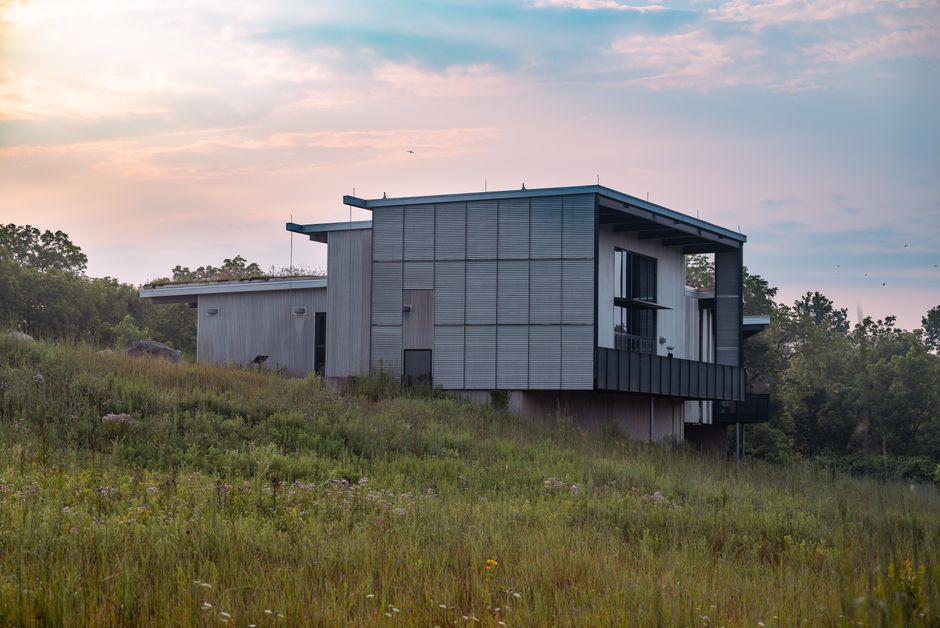
"Good design on Vancouver Island means the building earns its place in the landscape. It should feel like it belongs — shaped by the terrain, sheltered from the weather, and oriented toward the best the site has to offer."
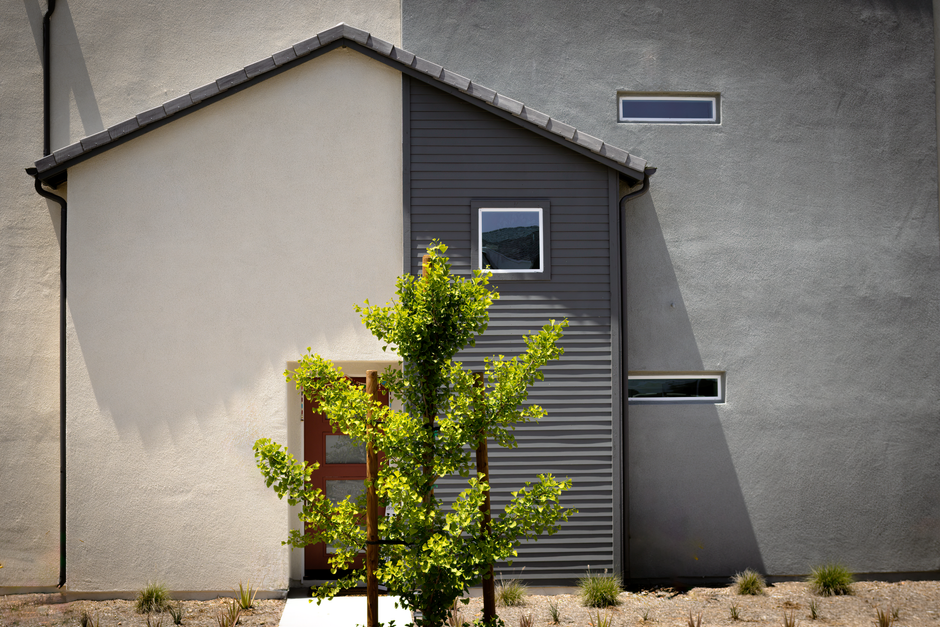
You can explore examples of how these principles come to life across a range of residential projects at AR Architecture's project portfolio.
Phase Three: Design Development and Your Feedback
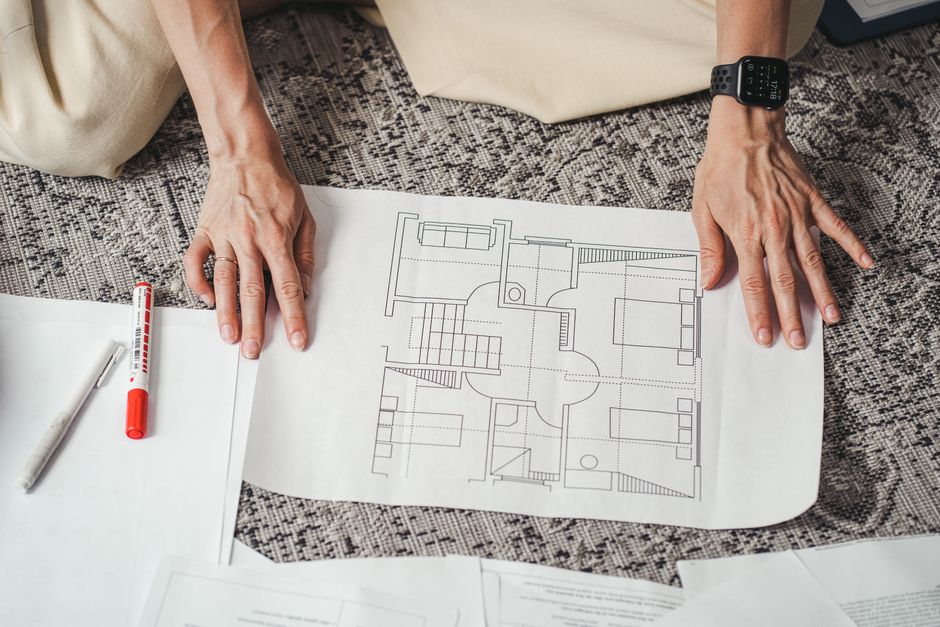
After an initial concept direction is established and refined together, the project moves into design development. This is where the home becomes more resolved and specific. Floor plans are refined, elevations take shape, and key interior relationships — ceiling heights, light quality, spatial flow — are worked through carefully.
This phase involves close collaboration with you as the client. We review drawings together, adjust proportions, talk through how each room will actually be used, and make decisions about built-in elements, structural approaches, and where the home can flex to meet your budget.
As your custom home builder Nanaimo partners and local contractors come into the picture during this phase, early conversations about construction approach — whether conventional wood frame, post-and-beam, or hybrid structural systems — begin to shape what's possible and practical.
Phase Four: Construction Documentation
Once the design is set, we move into construction documentation — the technical heart of the architectural process. This is where the vision becomes a buildable set of drawings and specifications that contractors can price and build from.
A complete construction document package typically includes:
- Architectural drawings: floor plans, elevations, sections, and key details
- Structural drawings (coordinated with a structural engineer)
- Energy compliance documentation required under BC's Step Code
- Specifications outlining materials, finishes, and standards of construction
- Site and civil drawings as required by local authorities
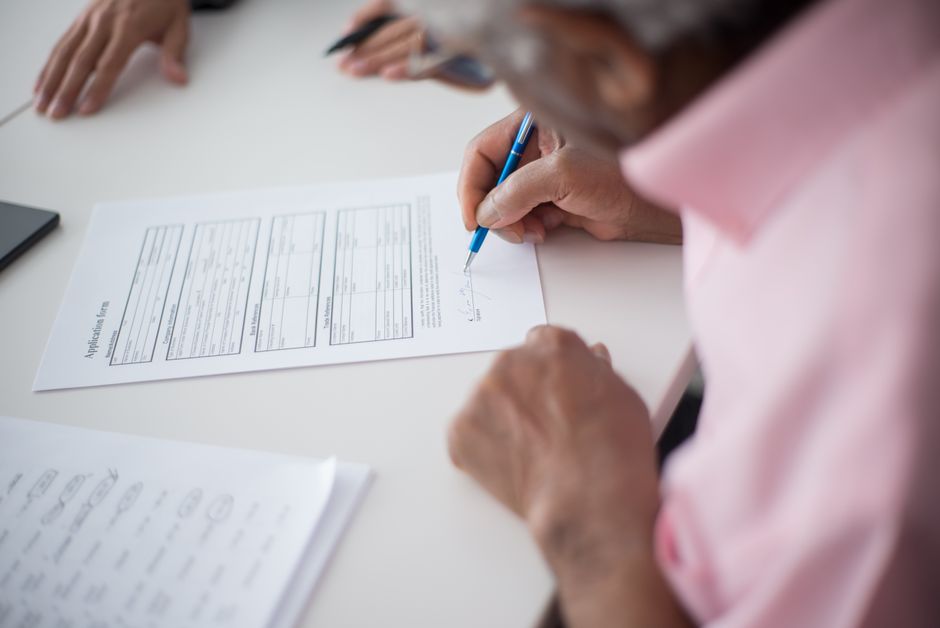
This documentation is submitted for building permit and forms the legal and technical basis for construction. It's also what protects you as a homeowner — a thorough set of drawings reduces the risk of costly surprises, misunderstandings, and change orders during the build.
Phase Five: Construction Support and Project Completion
Many homeowners are surprised to learn that an architect's role doesn't end when the permit is issued. During construction, we provide ongoing support: answering contractor questions, reviewing shop drawings, visiting the site at key milestones, and helping resolve the inevitable details that emerge when design meets reality.
This stage is where the quality of earlier decisions becomes visible. A home that was carefully thought through — where the window is exactly where it needs to be, where the roof overhang is sized precisely for the local rainfall and sun angle — starts to feel inevitable. That sense of rightness is the quiet reward of a thoughtful, site-specific design process.
What Makes Vancouver Island Custom Homes Special
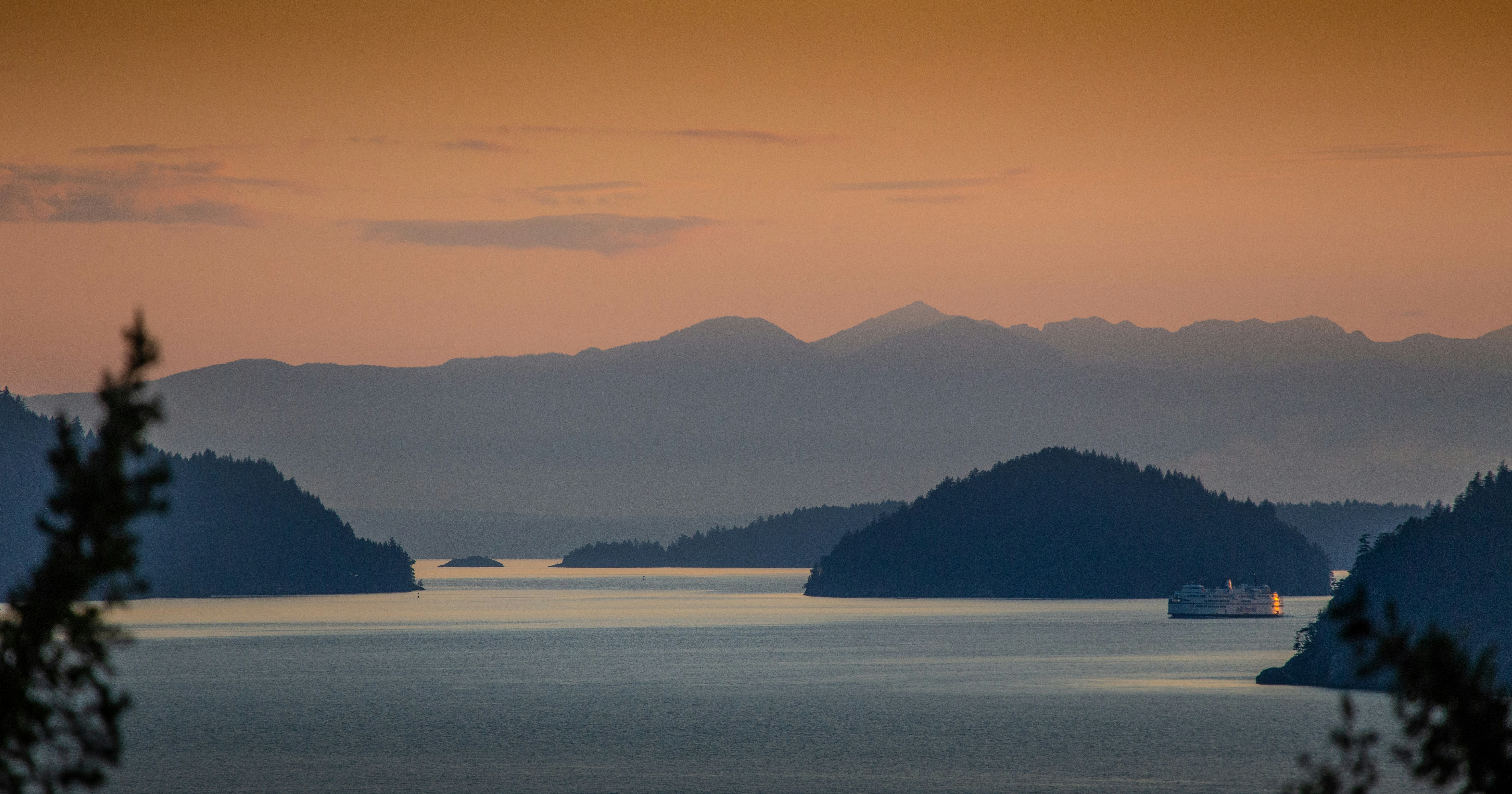
There's a reason people move to Vancouver Island and immediately want to put down roots in a home that reflects where they are. The landscape is genuinely extraordinary — and the best residential architecture here works in conversation with it, not against it. Whether it's a coastal retreat above the Strait of Georgia, a forested home in the hills above Nanaimo, or a modern farmhouse in the Comox Valley, custom home design on Vancouver Island is ultimately about creating a place that makes the most of an exceptional setting.
Explore the full range of AR Architecture's residential work at ar-a.ca/projects to see how these principles translate across different sites, programs, and styles.
Ready to Start Your Custom Home Journey?
If you're considering a custom home on Vancouver Island or anywhere in coastal BC, AR Architecture would love to be part of that conversation. From your first site visit to the day you turn the key, we bring design rigour, local knowledge, and genuine care to every project we take on. Contact AR Architecture today to talk about your vision — and let's start figuring out what your home could be.
Details
Author





.jpg)