


Building Beautiful Coastal Homes That Last

Designing for the Coast: Where Beauty Meets Reality
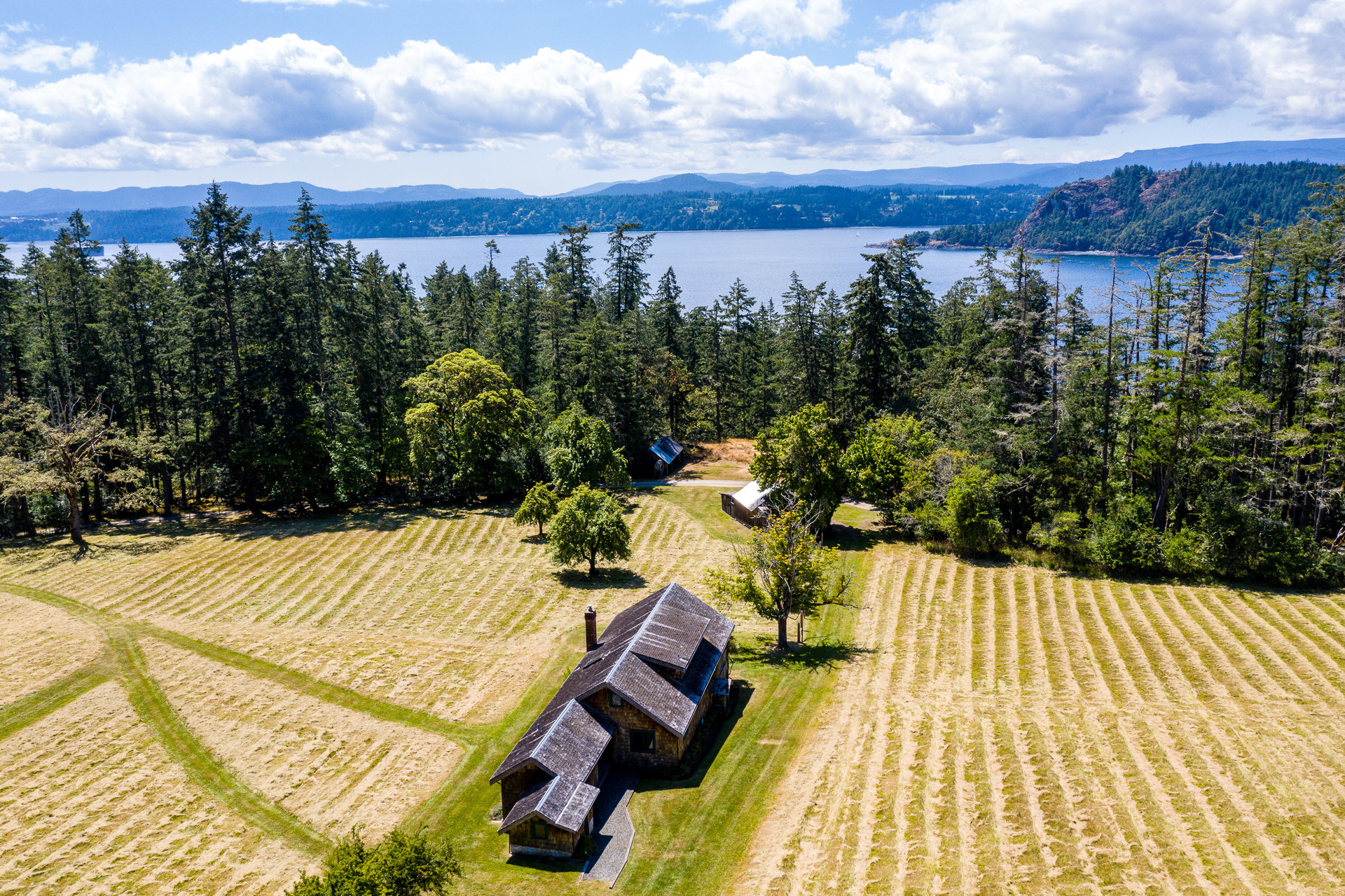
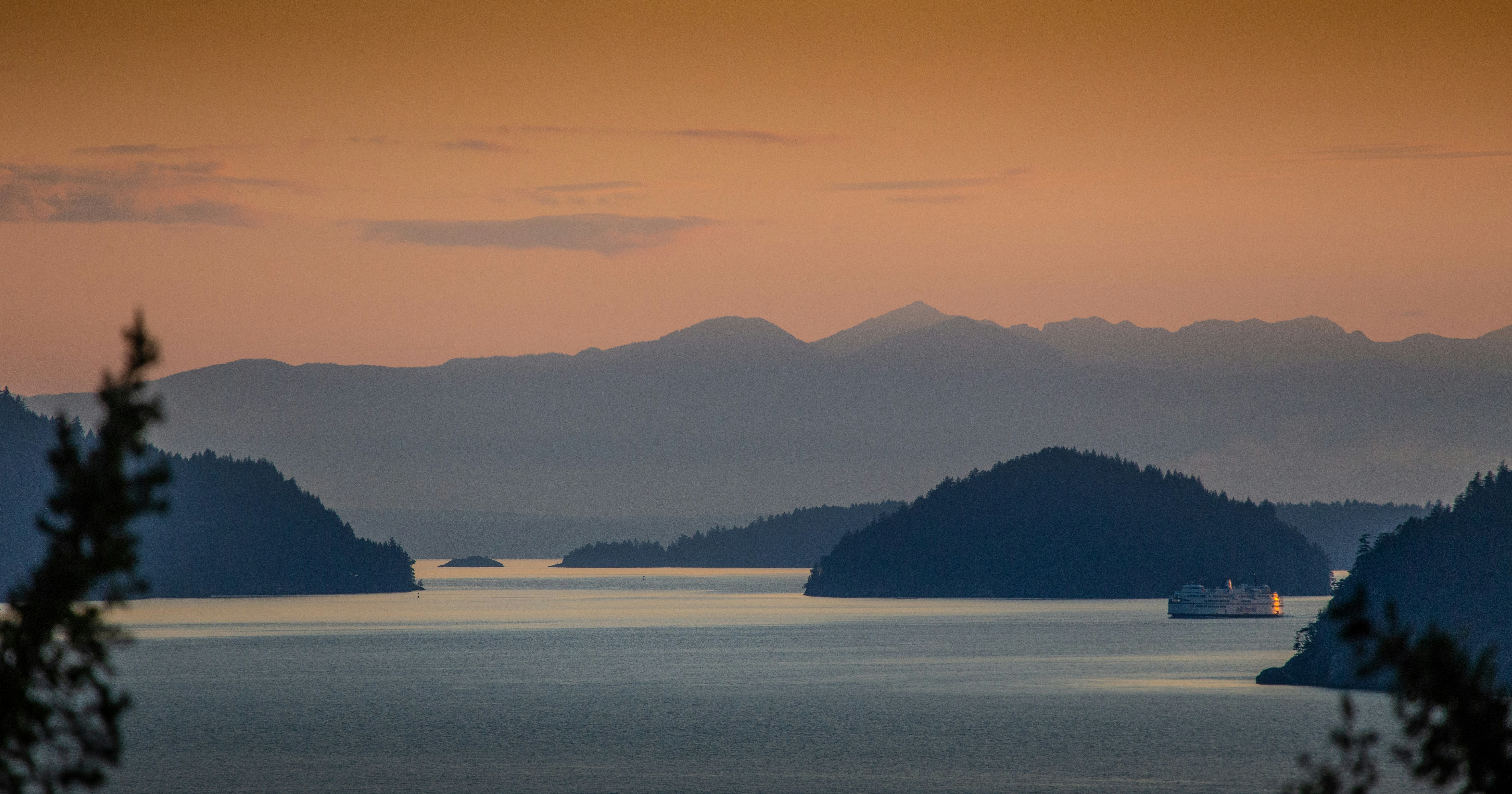
Coastal home design on Vancouver Island is one of the most rewarding — and demanding — challenges in residential architecture. The dramatic seascapes, towering Douglas firs, and the ever-present rhythm of the Pacific make this one of the most breathtaking places in the world to build a home. But that same environment that draws people to the coast is also one of the harshest on a building. Salt air, driving rain, powerful winds, and relentless moisture are forces that every architect and homeowner must take seriously from day one.
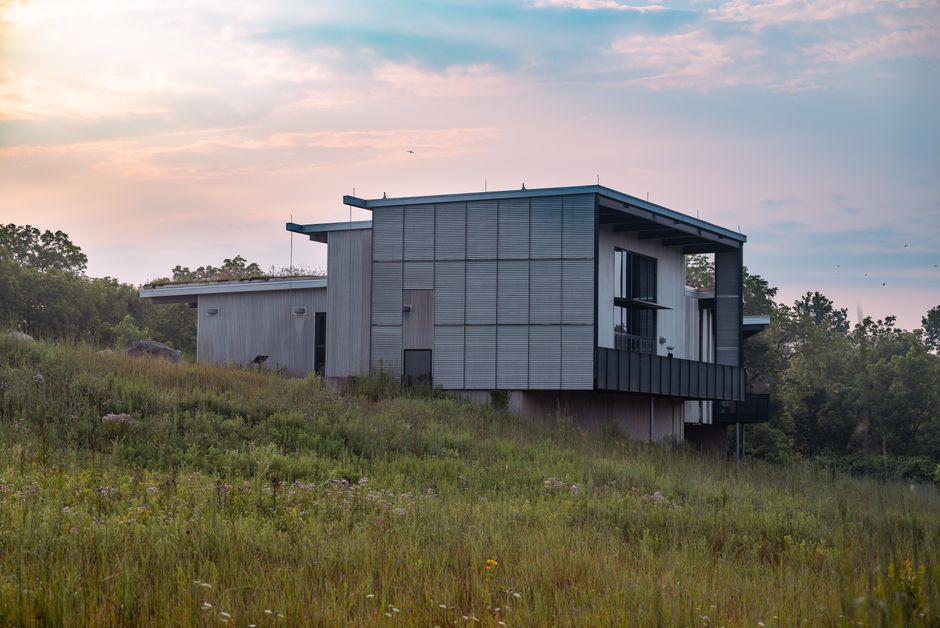
At AR Architecture, we've developed a deep understanding of what it takes to create homes along Vancouver Island's shoreline that are as durable as they are beautiful. Whether you're planning a waterfront property near Nanaimo, a retreat on the Gulf Islands, or a bluff-top residence further up the coast, the principles of sound coastal design remain consistent: material integrity, thoughtful orientation, and structural resilience working together in harmony.
Understanding Vancouver Island's Coastal Conditions
Before a single line is drawn, successful coastal home design on Vancouver Island begins with a thorough understanding of site-specific conditions. The BC coast is not a monolith — exposure levels vary enormously depending on whether your property faces the Strait of Georgia, Juan de Fuca, or a protected inlet. Wind rose data, prevailing storm directions, and tidal flood zones all shape the earliest design decisions.
Salt-laden air is perhaps the most insidious force a coastal home faces. Over time, salt accelerates corrosion in metals, degrades unsealed wood, and attacks standard building hardware. What looks pristine at handover can show significant wear within a few years if the wrong materials are specified. This is why waterfront architecture in BC demands a materials strategy that goes well beyond aesthetics.
Rainfall on Vancouver Island is significant — Nanaimo averages over 1,100mm annually — and coastal homes are frequently exposed to wind-driven rain that penetrates details that would perform perfectly in a sheltered urban setting. Flashing, cladding laps, window integration, and roof overhangs all need to be designed with this reality in mind.
Material Selection: The Foundation of Longevity
Choosing the right materials is the single most impactful decision in coastal residential design. The goal is to specify materials that age gracefully, require manageable maintenance, and resist the specific stressors of a marine environment.
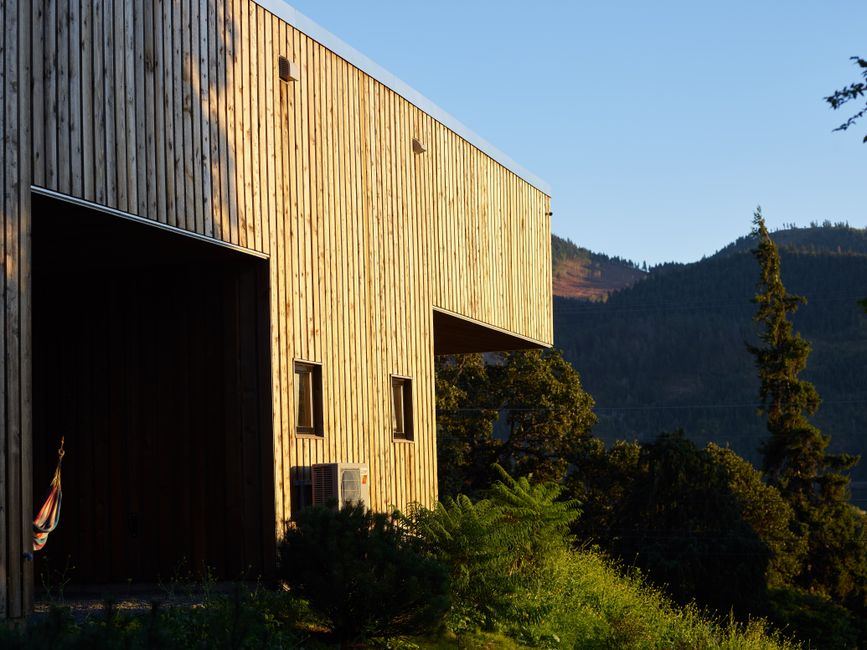
- Cladding: Fibre cement, naturally durable hardwoods like Ipe or Accoya, and high-quality pre-finished metal panels are strong performers in salt air environments. Western red cedar is a beloved Pacific Northwest material, but it requires diligent maintenance on exposed coastal sites. Untreated cedar will silver beautifully — but only if that weathering is intentional and the detailing prevents moisture intrusion.
- Roofing: Standing seam metal roofing excels in coastal conditions. It sheds water efficiently, withstands high winds when properly fastened, and has a lifespan that far exceeds asphalt shingles in a marine climate. Aluminum and Galvalume finishes resist salt corrosion better than standard steel.
- Hardware and Fixings: Every fastener, hinge, and anchor point should be marine-grade stainless steel or hot-dipped galvanized. Standard builder-grade hardware will rust visibly within a single season on an exposed coastal site — a detail that is easy to overlook and expensive to remedy.
- Windows and Glazing: Large windows are essential to capturing ocean views, but they are also a primary point of vulnerability. Thermally broken aluminum frames with marine-grade seals, or high-quality fibreglass frames, outperform standard vinyl or wood in prolonged salt exposure. Multi-point locking hardware and robust weatherstripping are non-negotiable on windward elevations.
Window Placement and the Art of Capturing the View
One of the defining aspirations of Pacific Northwest home design is the seamless connection between interior living space and the natural landscape beyond. On the coast, this means maximizing ocean views while carefully managing the trade-offs that come with large glazed areas.
Strategic window placement is about more than pointing the biggest glass toward the water. It's about understanding solar angles, prevailing wind directions, and privacy relative to neighbours and the public shoreline. South and west-facing glazing on Vancouver Island captures the most daylight and warmth, but west-facing windows on exposed sites can take a beating from afternoon storms rolling in off the Pacific.
Deep roof overhangs serve a dual purpose in seaside house design in British Columbia: they shade south-facing glass in summer to reduce heat gain and glare, and they protect window heads and walls from wind-driven rain. An overhang that works beautifully on a Nanaimo infill lot may need to be substantially extended on a bluff-top coastal home.
"The best coastal homes don't fight the environment — they respond to it. Every overhang, every material choice, every window orientation is a conversation with the site."
Clerestory windows and carefully placed skylights can introduce natural light deep into a floor plan without adding wind-exposed glazing on vulnerable elevations. This layered approach to daylighting creates homes that feel bright and connected to the outdoors from every room, not just the rooms that face the water.
Structural Design: Building to Withstand the Elements
The structural systems of a coastal home must account for wind loads that exceed those of inland sites. BC's building code provides baseline requirements, but on highly exposed properties, a structural engineer familiar with coastal conditions is an invaluable part of the design team from the earliest stages.
Foundation design deserves particular attention. Homes near the shoreline must consider long-term erosion, wave action, and — increasingly — sea level rise projections. Helical piers, grade beams, and elevated foundations are all tools that can provide resilience and peace of mind. Elevating the finished floor level also improves views, improves storm resilience, and allows for natural ventilation beneath the structure.
For coastal living in Nanaimo and across Vancouver Island, the integration of sheltered outdoor living spaces is a design priority that requires structural thought. Covered decks, screened porticos, and wind-protected courtyards extend the usable living area for a significant portion of the year. A well-designed outdoor room with a solid roof, wind screens, and a heating element transforms a seasonal patio into a year-round gathering space — a feature that consistently ranks among the most appreciated by coastal homeowners.
Passive Design Strategies for Coastal Comfort
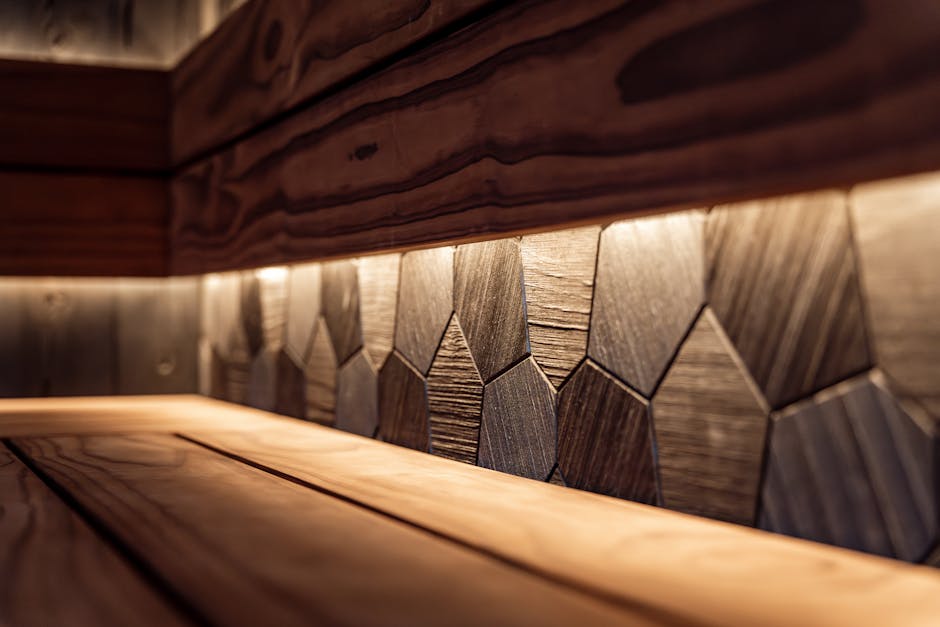
Passive design — using the building's form and orientation to manage heat, light, and air naturally — is especially powerful on the coast. Prevailing onshore breezes can be channelled through a home to provide natural ventilation during warmer months, reducing reliance on mechanical cooling. Cross-ventilation strategies, operable skylights, and thoughtful floor plan layouts all contribute to a home that breathes with its environment.
Thermal mass — concrete floors, stone feature walls — can help moderate interior temperatures by absorbing heat during the day and releasing it at night. Combined with high-performance insulation and airtight construction, a well-designed coastal home can achieve exceptional comfort with a modest energy footprint. Explore some of our completed residential projects at ar-a.ca/projects to see how these principles come to life in built form.
Ready to Build Your Coastal Home?
Designing a home on Vancouver Island's coast is a deeply personal and site-specific endeavour. The decisions made early in the design process — from material selection to structural strategy to window placement — will shape how your home performs and feels for decades to come. At AR Architecture, we bring together design ambition and technical rigour to create coastal homes that honour their extraordinary settings. If you're ready to start planning your coastal project, we'd love to hear about your vision. Browse our portfolio and then reach out to our team to begin the conversation.
Details
Author
















.jpg)