


Architect-Led Custom Homes on Vancouver Island
What Does "Custom Home Design" Actually Mean on Vancouver Island?
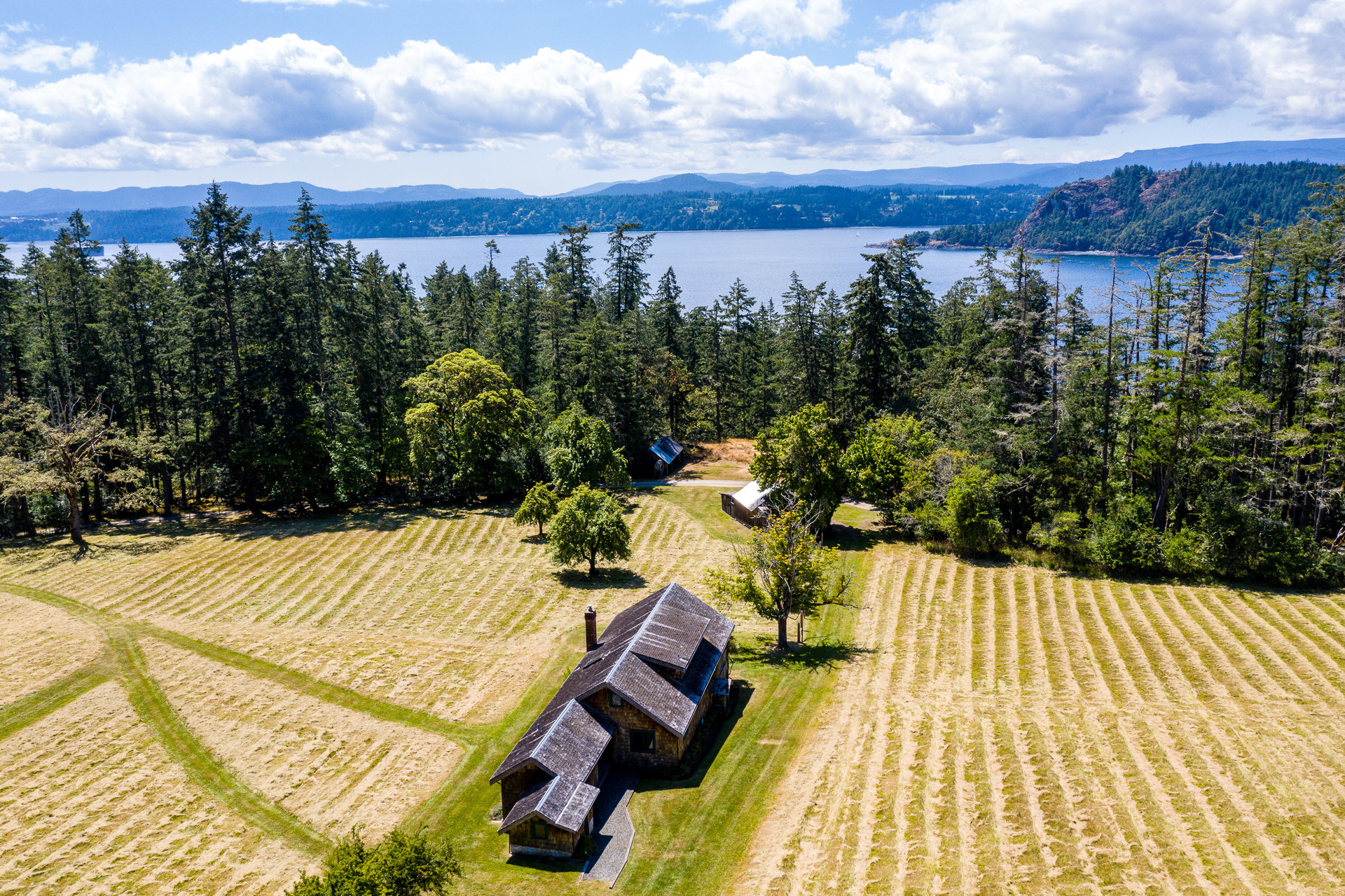
The phrase custom home design Vancouver Island gets used loosely in the construction industry. Builders, developers, and real estate marketers all reach for it. But there is a meaningful difference between a home built from a catalogue of pre-drawn floor plans with a few finish upgrades, and a home conceived from scratch by an architect who has walked your land, studied your site, and listened carefully to how you actually live. For Vancouver Island homeowners, understanding that distinction can be the difference between a house that happens to sit on beautiful land and a home that genuinely belongs there.
At AR Architecture, we work with clients across Vancouver Island — from Nanaimo to the rural stretches of the mid-Island — and the conversation almost always starts the same way: someone has a piece of property, a set of ideas, and a feeling they cannot quite articulate. Our job is to translate that feeling into architecture.
Spec, Semi-Custom, and Fully Custom: Understanding the Spectrum
Before exploring the architectural design process, it helps to understand where a truly custom home sits relative to other build types.
- Spec homes are built speculatively by a developer, designed for an imagined average buyer. The lot, the plan, and the finishes are chosen to maximize resale appeal, not to reflect your life.
- Semi-custom homes allow buyers to choose from a menu of pre-approved floor plans and select finishes from a curated list. There is flexibility, but the underlying architecture is fixed.
- Fully custom homes begin with a blank page. The floor plan, the orientation, the material palette, the relationship between indoor and outdoor space — everything is designed specifically for you, your site, and your climate zone.
On Vancouver Island, that third category is not a luxury reserved for large budgets alone. It is the most logical approach for anyone building on land with strong topography, coastal exposure, challenging soil conditions, or simply a vision that does not fit a standard template. A Vancouver Island architect brings the site knowledge and design expertise to make that blank page a genuine asset rather than an obstacle.
The Role of Site and Microclimate in Coastal BC Home Design
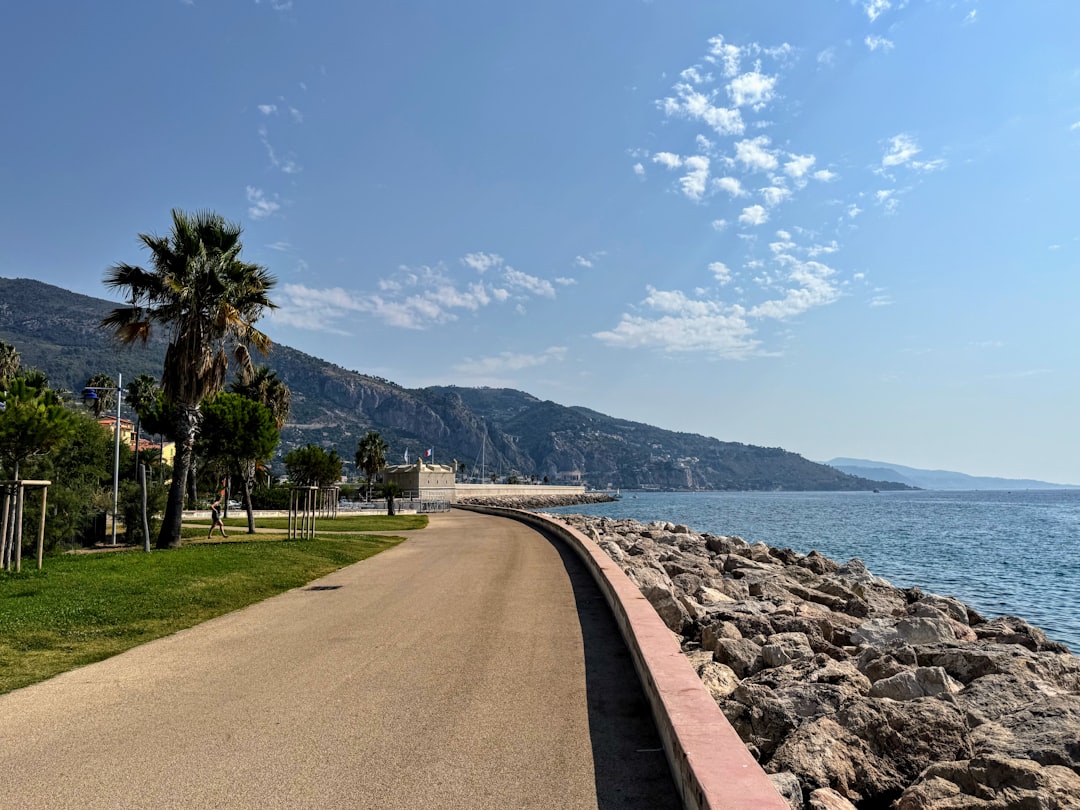
One of the most overlooked advantages of working with a local architect on bespoke home design in coastal BC is microclimate literacy. Vancouver Island is not a uniform environment. The eastern coast — where Nanaimo sits — receives significantly less rainfall than the west coast and benefits from a rain shadow effect created by the Island's central mountain spine. Parksville and Qualicum Beach have their own wind patterns. Properties closer to the water deal with salt air, moisture, and storm exposure that properties just a few kilometres inland never encounter.
These are not abstract considerations. They directly affect which materials will hold up over decades, how a roof should be pitched and oriented, where windows should be placed to capture winter sun without creating summer overheating, and how a home should be positioned to shelter outdoor living spaces from prevailing winds. A designer working from a generic plan catalogue in Vancouver or Calgary simply does not carry this knowledge in their hands the way a local residential architecture BC practice does.
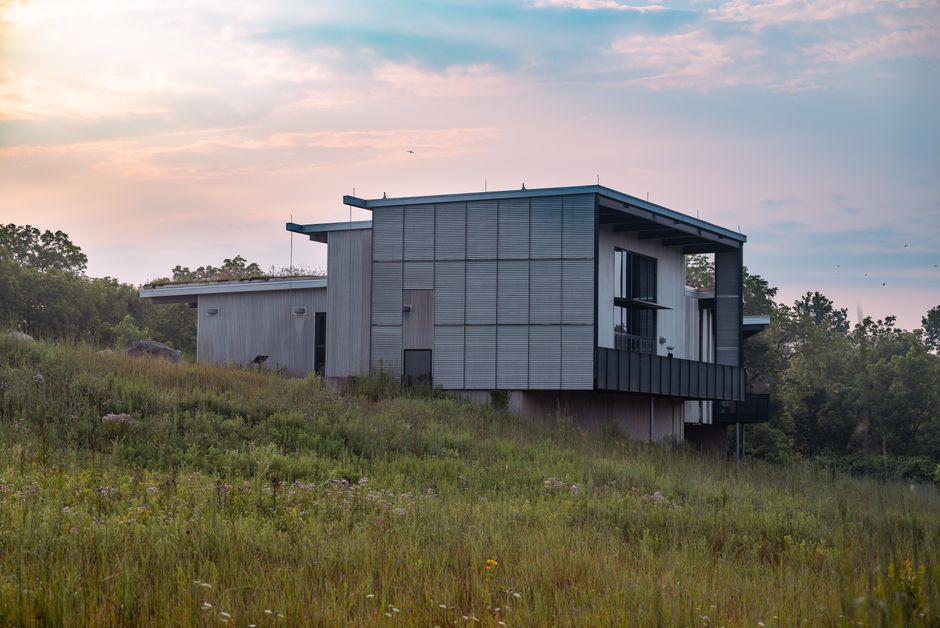
Soil conditions matter equally. Parts of the Island have expansive clay soils, old fill, or shallow bedrock that require specific foundation strategies. Getting this right at the design stage — before a shovel is in the ground — protects both your budget and the long-term integrity of your home. You can explore how these considerations play out in real projects by browsing AR Architecture's residential portfolio, which spans a range of Island sites and conditions.
The Architectural Design Process: From Concept to Construction Documents
Understanding the process demystifies what it means to work with an architect. Here is how a typical custom home project unfolds at AR Architecture.
1. Discovery and Programming
The first phase is about listening. We ask questions that go beyond bedroom count and square footage. How do you move through a home in the morning? Do you cook alone or do people gather in the kitchen? Do you work from home? How do you use outdoor space across the seasons? This programming phase builds a picture of your daily life that becomes the functional skeleton of the design.
2. Concept Design and Site Analysis
With a clear program in hand, we visit the site and conduct a thorough analysis: sun angles at different times of year, views worth framing and views worth screening, drainage patterns, prevailing winds, neighbouring structures, and the character of the landscape. The first design sketches respond to all of this simultaneously. A good concept is not a floor plan with a pretty facade attached — it is a spatial idea that makes sense of the land.
3. Design Development
The concept is refined into a developed design that resolves the relationship between rooms, establishes ceiling heights and window placements, and begins to define the material palette. This is where a custom home begins to feel genuinely distinct. The proportions, the light quality, the way the entrance sequence unfolds — these are decisions that a custom home builder working from a stock plan simply never has to make, because they have already been made generically.
4. Construction Documents
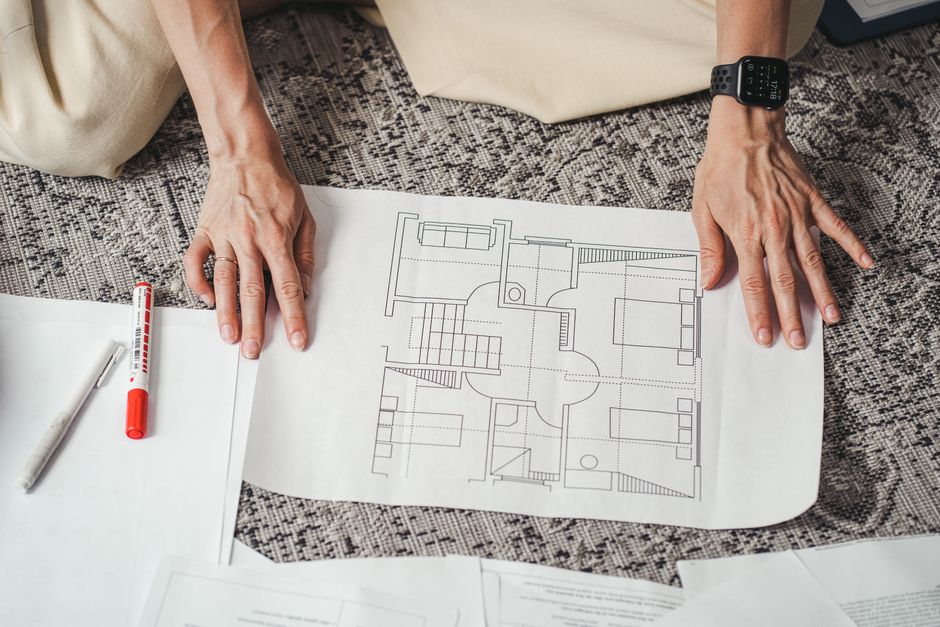
Once the design is approved, the project moves into technical documentation. Construction documents translate the design into precise, buildable drawings that coordinate structure, envelope, mechanical systems, and finishes. These documents are what the building permit office reviews, what the contractor prices, and what trades use on site. Thorough documentation is one of the most valuable things an architect delivers — it reduces ambiguity, limits costly change orders, and gives a custom home builder in Nanaimo or elsewhere on the Island the information they need to build confidently.
If you are curious about what the permit process looks like in Nanaimo specifically, our guide to the building permit process in Nanaimo, BC walks through the steps in plain language.
Why Intentionality Is the Real Difference
There is a word that comes up repeatedly when clients describe what they were looking for before finding an architect: intentional. They wanted a home that felt considered, where nothing was arbitrary, where the view from the kitchen sink was not an accident, where the way afternoon light moves through the living room in October was something someone had thought about.
That intentionality is what separates architecture from construction. It does not require an unlimited budget. It requires a process — one where the right questions are asked early, where the site is genuinely understood, and where the design is allowed to respond honestly to both. For homeowners pursuing bespoke home design in coastal BC, this kind of thoughtfulness is especially valuable because the landscape is so strong. The Pacific light, the arbutus trees, the rock outcroppings, the ocean views — these are not backdrops. They are participants in the architecture, and a well-designed custom home acknowledges that.
Ready to Start Your Custom Home on Vancouver Island?
If you are planning to build on Vancouver Island and want a home that is genuinely designed for your land, your life, and the specific character of this coast, we would love to hear about your project. Reach out to AR Architecture to start a conversation — no obligation, just a chance to explore what is possible together.
Details
Author








.jpg)