


How Local Conditions Shape Every Architectural Decision on Vancouver Island
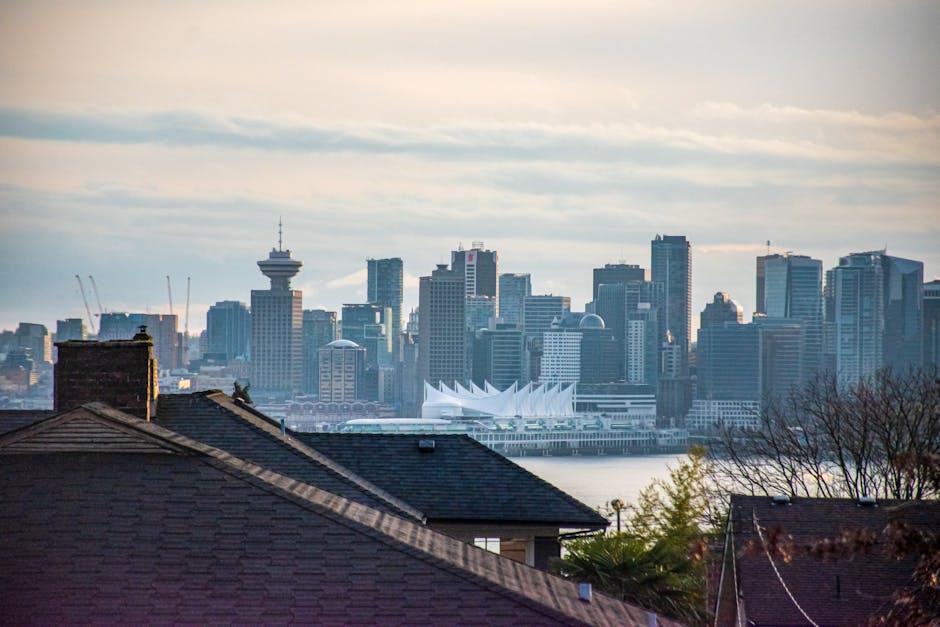
Why Custom Home Design on Vancouver Island Is Unlike Anywhere Else
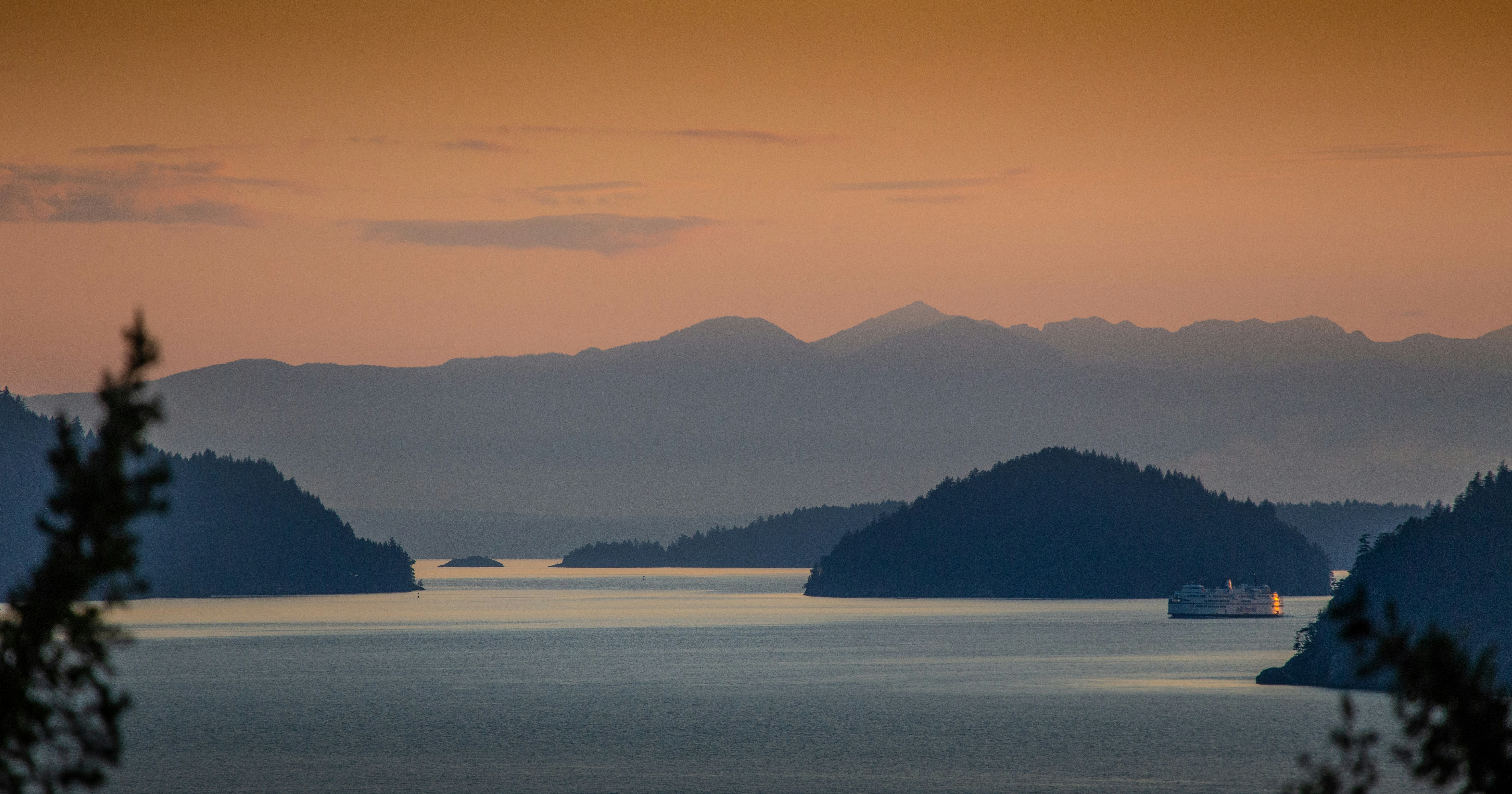
If you've been dreaming of a home that's truly built for this place, custom home design on Vancouver Island is the path that gets you there. But the process involves far more than choosing finishes and floor plans. Every decision, from how your roof pitches to where your windows face, is shaped by the land beneath your feet, the salt air off the Strait of Georgia, and the specific municipality where you're building. Working with a Vancouver Island architect means having a guide who understands those layers from the very first conversation.
At AR Architecture, based in Nanaimo and serving communities across Vancouver Island and coastal BC, we see each custom home project as a direct response to its environment. Here's what that process actually looks like, from the moment you contact us to the day your building permit is approved.
Phase One: Site Analysis and Pre-Design
Before a single line is drawn, a thorough site analysis sets the foundation for every design choice that follows. On Vancouver Island, this step carries exceptional weight. Our team examines solar orientation to maximize natural light during grey winter months, prevailing wind patterns that influence where covered outdoor spaces should sit, and topographical features like rock outcroppings or slope drainage that affect both the structural approach and the visual character of the home.
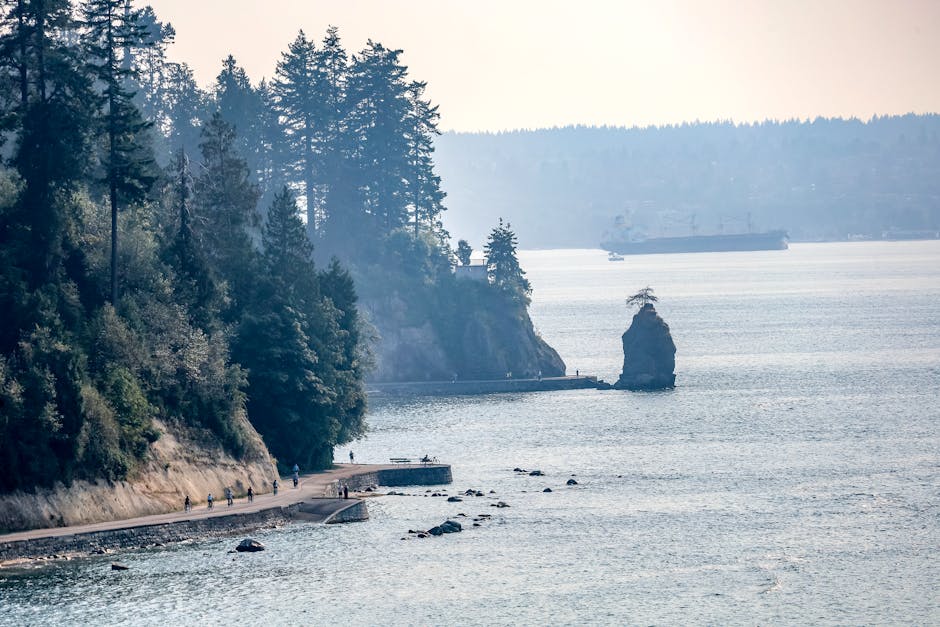
For bespoke home design in coastal BC, proximity to the ocean introduces additional considerations. We assess setback requirements from the natural boundary of the sea, evaluate exposure to salt-laden air that accelerates corrosion on metals and degrades certain cladding materials, and account for potential flood construction levels required by local bylaws. In areas like Lantzville, Parksville, or the Gulf Islands, these conditions vary dramatically from one parcel to the next.
Zoning review happens in parallel. We check lot coverage limits, height restrictions, permitted uses, and whether the property falls within any Development Permit Areas, which are common in coastal zones and riparian corridors across Vancouver Island. Understanding these constraints early prevents costly redesigns later and allows us to design ambitiously within the rules rather than being surprised by them.
Phase Two: Schematic Design and Design Development
Once the site is fully understood, the design conversation begins in earnest. This is where your vision, your lifestyle, and the character of the land come together. We work collaboratively with clients to develop a schematic concept that responds to all three.
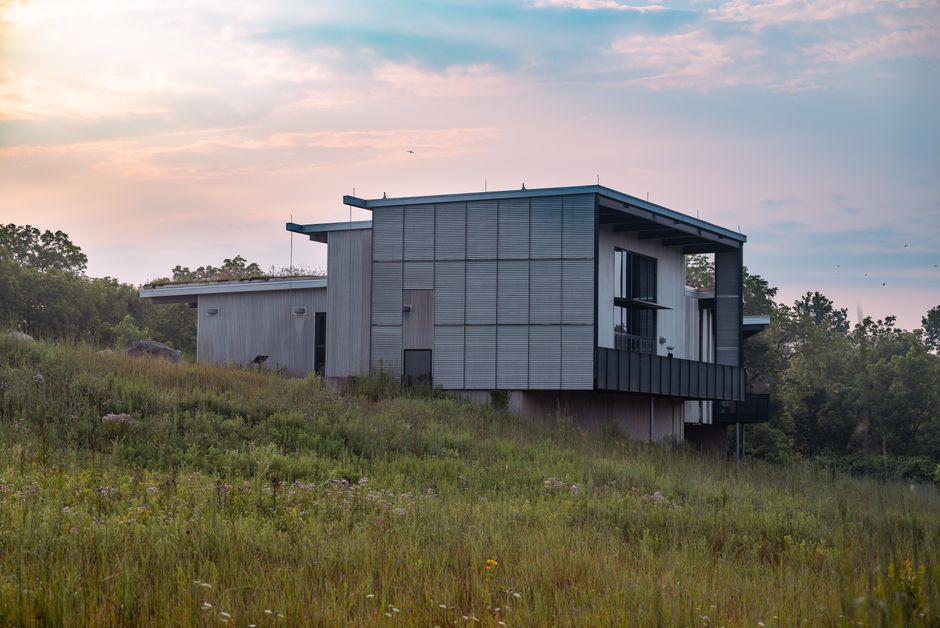
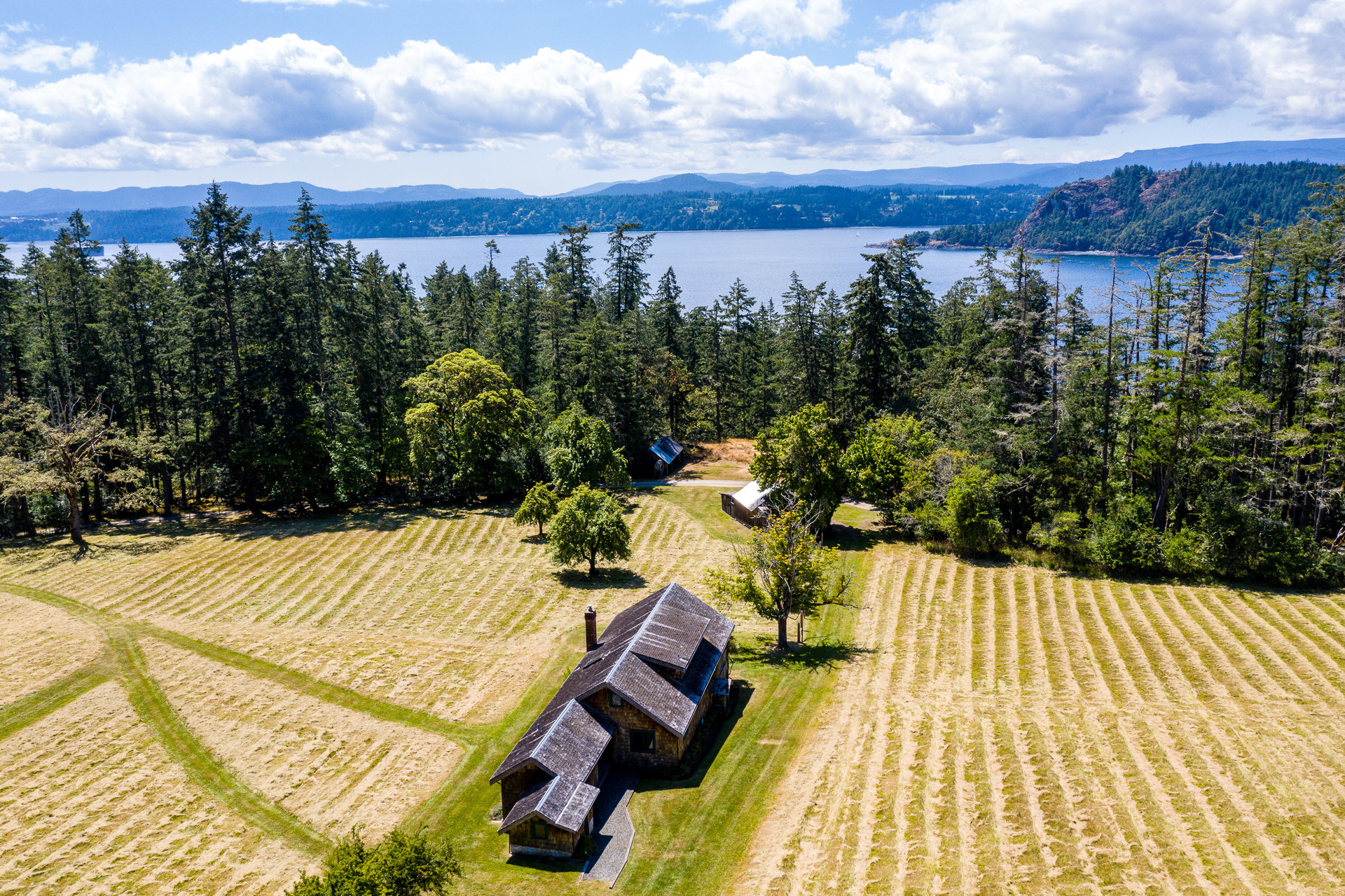
On Vancouver Island, residential architecture in BC often contends with steeply sloping sites, particularly in hillside neighbourhoods around Nanaimo and along oceanfront parcels on the east coast of the island. Rather than engineering away the topography, good design works with it. Split levels, stepped foundations, and cantilevered volumes allow homes to settle naturally into the terrain while opening up dramatic views and reducing site disturbance.
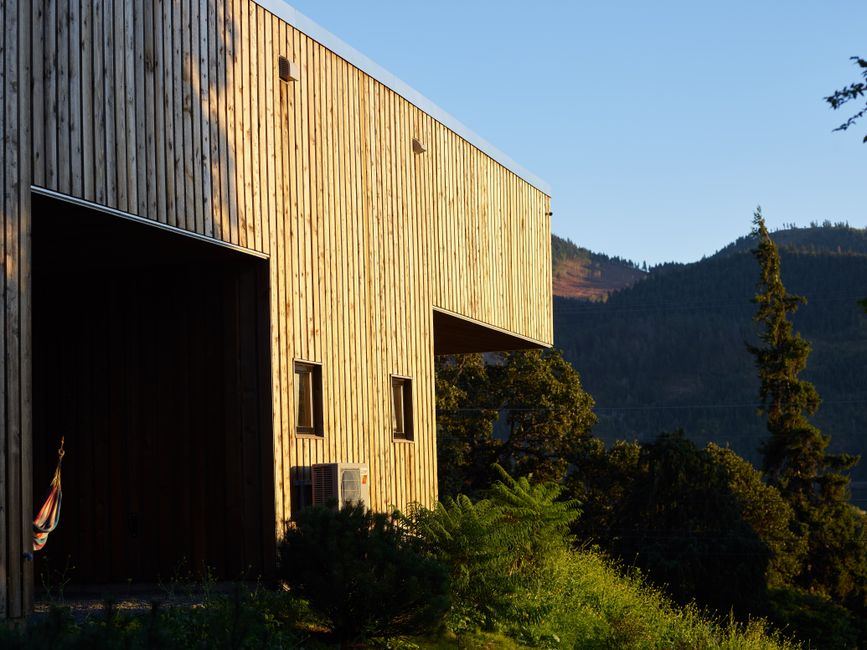
Climate performance is woven into the design at this stage, not added as an afterthought. The mild but wet winters of Vancouver Island demand careful attention to moisture management. Deep roof overhangs, covered entries, and thoughtful material choices, such as fibre cement, wood species with natural decay resistance, or metal cladding, protect the building envelope over the long term. If you're interested in how sustainable strategies integrate with this kind of design thinking, our post on building green on the coast goes deeper into the material and energy choices that make sense in this specific climate.
Design development refines the schematic into a fully coordinated set of drawings. Structural systems are confirmed, window and door specifications are established, and the relationship between interior and exterior spaces is resolved. For a custom home builder in Nanaimo or anywhere along the island, this package becomes the basis for accurate construction pricing and, ultimately, the permit application.
Phase Three: Permit Documentation and Approvals
Permit documentation is often where homeowners are most surprised by the complexity involved in custom home design on Vancouver Island. Each municipality, from the City of Nanaimo to the Regional District of Nanaimo to smaller municipalities like Qualicum Beach or Ladysmith, has its own application requirements, processing timelines, and technical standards.
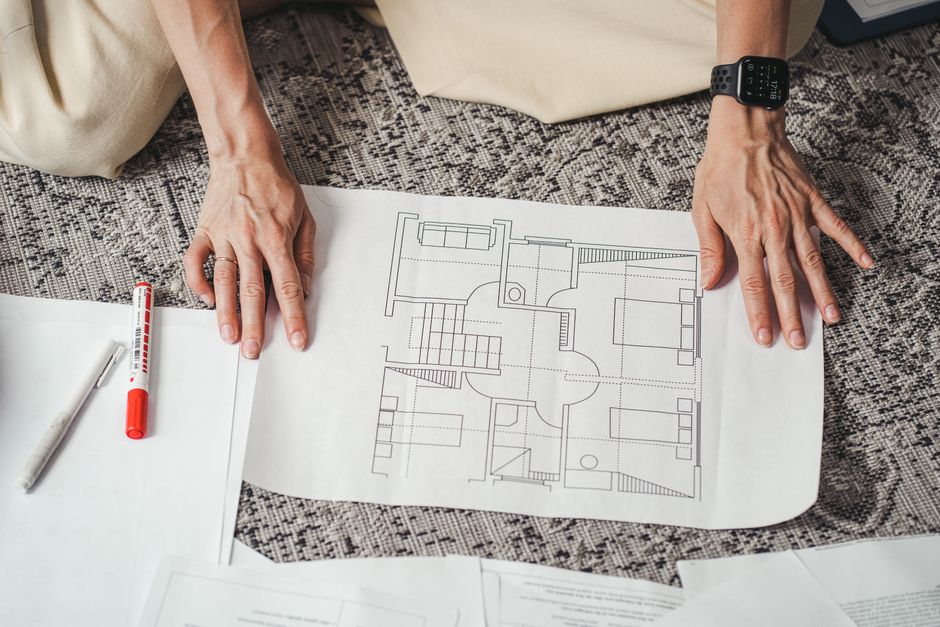
A complete permit set typically includes architectural drawings, a site plan, structural engineering, energy compliance documentation under BC's Step Code, and, for coastal or environmentally sensitive properties, a geotechnical report. Coordinating these consultants and ensuring their work integrates seamlessly with the architectural drawings is a significant part of what an architect brings to the project.
At AR Architecture, we've navigated this process across dozens of projects on Vancouver Island. Our detailed guide to the building permit process in Nanaimo outlines what to expect at each stage and how to avoid the most common causes of delay. Understanding the timeline, which can range from six weeks to several months depending on project complexity and municipal workload, allows clients to plan their construction schedule realistically.
How Local Conditions Shape Every Design Decision
It's worth pausing on just how much the specifics of Vancouver Island geography inform the outcome of a custom home. Consider a few examples:
- Seismic design: Coastal BC sits within an active seismic zone. Structural systems for custom homes here must meet BC Building Code requirements for earthquake loads, which influences everything from foundation type to shear wall placement.
- Wildfire interface: Properties in areas classified as Wildland-Urban Interface, increasingly common across eastern Vancouver Island, must incorporate ignition-resistant construction assemblies. This shapes material choices at the exterior from the outset.
- Ocean views and solar access: Capturing a view to the west often means managing afternoon glare and summer heat gain. High-performance glazing, strategic overhangs, and operable shading are tools a skilled architect uses to balance the two.
- Rainwater management: The Pacific Northwest rainfall profile demands robust drainage design. Swales, permeable surfaces, and carefully graded landscapes protect the home's foundation and satisfy increasingly stringent municipal stormwater requirements.
You can see how these principles come to life across our residential portfolio, where each project reflects a specific response to its site, program, and context rather than a repeated formula.
The Value of Local Architectural Expertise
There is a meaningful difference between a generalist designer and a Vancouver Island architect who has spent years working within this specific regulatory and environmental context. That difference shows up in the quality of the design, in fewer surprises during construction, and in a finished home that genuinely belongs to its place.
Bespoke home design in coastal BC is not simply about aesthetics, though thoughtful design absolutely elevates the experience of living in a home. It's about making decisions at every stage, structural, material, spatial, and regulatory, that are grounded in a real understanding of where you are building and what that place demands of a building over time.
Ready to Begin Your Custom Home?
If you're planning a custom home on Vancouver Island and want to work with an architecture team that knows this region deeply, AR Architecture is ready to listen. From your first site visit through to permit approval and construction support, we bring design rigour and local knowledge to every stage of the process. Reach out to start the conversation and let's talk about what's possible on your site.
Details
Author







.jpg)