


Passive Solar Home Design in BC: A Vancouver Island Guide
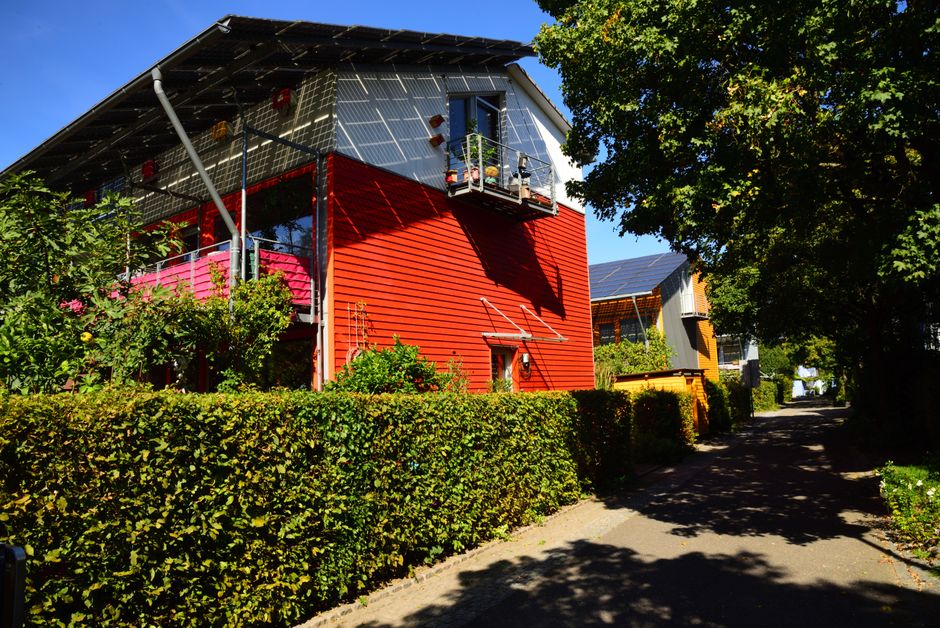
Designing Homes That Work With Vancouver Island's Sun
For homeowners across Vancouver Island, passive solar home design in BC represents one of the most effective — and often underutilized — strategies for reducing energy costs while improving everyday comfort. Unlike mechanical heating and cooling systems that consume ongoing energy, passive solar design harnesses the natural movement of the sun through deliberate architectural decisions: where windows are placed, how roofs are shaped, and what materials absorb and release heat throughout the day. When done well, these choices can dramatically reduce your reliance on active heating systems, particularly during Vancouver Island's mild but damp winters.
At AR Architecture, we work with homeowners throughout Nanaimo and across Vancouver Island who want homes that are beautiful, efficient, and genuinely connected to their environment. Passive design isn't a compromise — it's a smarter way to build.
Understanding Vancouver Island's Climate Advantages
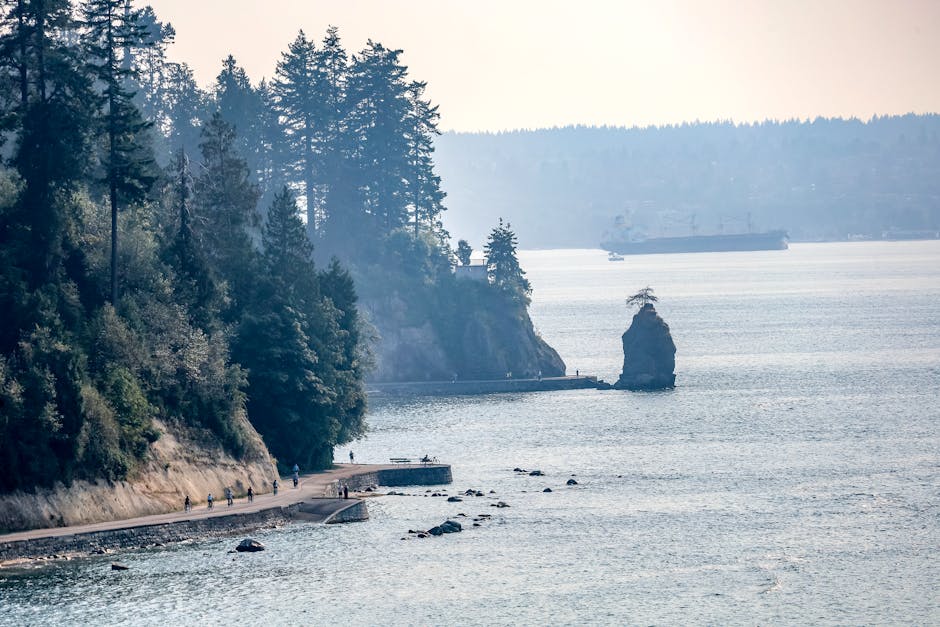
Vancouver Island occupies a unique climatic position. Nanaimo and the east coast of the island benefit from a rain shadow effect cast by the Vancouver Island Ranges, resulting in significantly more sunshine hours than communities on the island's west coast or the Lower Mainland. This matters enormously for passive house design on Vancouver Island, because solar gain is only useful if the sun is reliably present.
The island's climate sits in ASHRAE Climate Zone 5, characterized by cool winters, warm but not extreme summers, and high annual rainfall. The good news: winter sun angles in Nanaimo are low enough to penetrate deep into south-facing rooms, and summer sun angles are high enough that a properly designed roof overhang will shade those same windows naturally. That seasonal geometry is the backbone of passive solar architecture, and it works beautifully here.
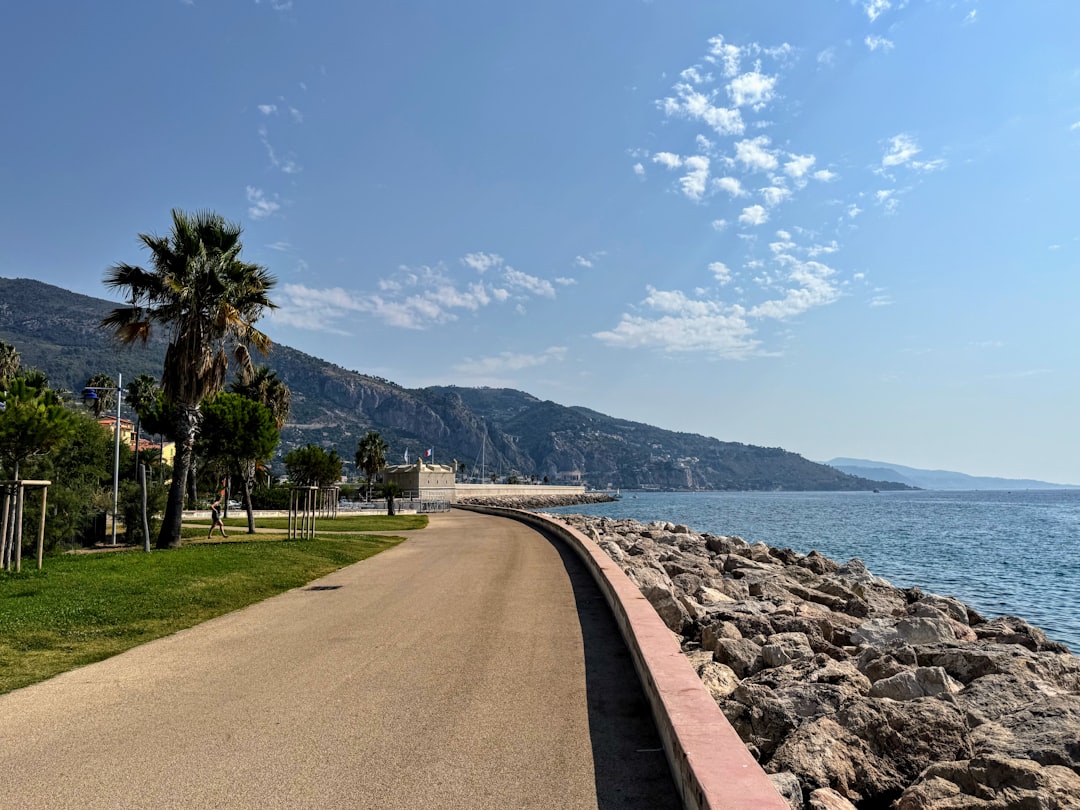
Coastal humidity is one factor that does require attention. Moisture management, vapor control, and material selection must all account for the damp marine environment — particularly for homes near the water. Our post on building green on the coast explores how sustainable strategies intersect with coastal-specific construction challenges.
Energy Efficient Home Orientation: Getting the Foundation Right
The single most impactful passive solar decision is made before a single wall goes up: how your home is oriented on its lot. In BC, the optimal approach for energy efficient home orientation is to maximize south-facing glazing while minimizing glazing on the north, east, and west elevations.
A true south orientation (within about 15 to 20 degrees east or west of true south) allows the home to capture maximum solar gain during winter months when the sun tracks low across the southern sky. North-facing windows, by contrast, offer little solar gain and significant heat loss. East and west glazing can cause overheating in summer when the sun is lower in the morning and evening sky and harder to shade with fixed overhangs.
Of course, lot orientation isn't always ideal. Many Vancouver Island properties face constraints from lot lines, views, street access, or existing vegetation. Part of what an architect brings to this conversation is the ability to optimize within real-world constraints — capturing available southern exposure even on challenging sites, and compensating where full orientation isn't achievable through other passive design strategies.
Window Placement and Glazing Ratios
Once orientation is established, window placement becomes the primary tool for managing solar gain in Nanaimo and across coastal BC. A well-designed passive solar home typically features:
- 30 to 50 percent of total wall area as south-facing glazing to maximize winter heat collection
- Minimal north-facing glazing, kept to what is needed for light, cross-ventilation, and view
- Carefully sized east and west windows with external shading or deep reveals to prevent summer overheating
- High-performance triple-glazed or low-e double-glazed units with warm-edge spacers and thermally broken frames to minimize conductive heat loss
The quality of glazing matters as much as its placement. A large south-facing window with a poor thermal performance rating can become a net energy loser on cold nights, undoing the solar gains collected during daylight hours. Specifying the right glazing for each orientation is a technical decision that significantly affects annual energy performance.
Roof Overhangs: Nature's Automatic Shading System
One of the most elegant aspects of passive solar architecture is how a properly calculated roof overhang can shade south-facing windows in summer and allow full solar penetration in winter — automatically, with no moving parts and no energy consumption.
In Nanaimo at approximately 49 degrees north latitude, the summer solstice sun reaches an altitude of roughly 64 degrees above the horizon at solar noon. The winter solstice sun reaches only about 17 degrees. That 47-degree difference is precisely what architects exploit when sizing overhangs. By calculating the overhang depth relative to the window height and sill elevation, it's possible to design a fixed overhang that shades the glass fully in June and July while allowing full sun penetration from October through February.
This calculation is not guesswork — it requires site-specific solar geometry and careful coordination between the overhang, window head height, and interior floor level. Getting it right is the difference between a home that stays cool in summer without air conditioning and one that overheats because the shading was undersized or improperly positioned.
Thermal Mass: Storing the Sun's Energy
Collecting solar gain is only half the equation. The other half is storing that heat so it can be released slowly into the living space after the sun sets. This is the role of thermal mass — dense materials like concrete, masonry, tile over concrete, or rammed earth that absorb heat during peak solar hours and radiate it back into the room over the following hours.
In a passive solar home, thermal mass is most effective when it is:
- Located within the direct path of winter sunlight — typically a concrete floor slab or masonry wall that south-facing windows shine onto
- Dark in color to maximize heat absorption
- Sized appropriately — too little mass and the space overheats quickly; too much and it never fully charges
- Insulated from the exterior so heat flows inward rather than outward
On Vancouver Island, slab-on-grade construction is common and pairs naturally with in-slab radiant heating — a system that complements passive solar by providing low-temperature background heat when solar gain is insufficient. The thermal mass of the slab serves double duty, storing both passive solar energy and radiant heat efficiently.
Insulation, Airtightness, and the Passive Design Envelope
No passive solar strategy performs well inside a leaky, poorly insulated envelope. Passive design strategies for coastal BC must address the full building shell — walls, roof, foundation, and all penetrations — to prevent the solar and internal gains from simply escaping. High levels of continuous insulation, careful air barrier detailing, and heat recovery ventilation work together to hold the heat that passive solar design collects.
This envelope-first thinking is central to the Passive House (Passivhaus) standard, which takes passive design principles to their logical conclusion through rigorous performance targets for airtightness and thermal bridging. While full Passivhaus certification isn't the right fit for every project, its underlying principles — insulate well, eliminate thermal bridges, control ventilation, optimize solar gain — are directly applicable to any energy efficient home on Vancouver Island.
You can explore how these principles have shaped our residential work in projects like our Lantzville Road residence, where site orientation and envelope performance were central design considerations from the earliest stages of the project.
Bringing It All Together: Passive Solar as Integrated Architecture
The most important thing to understand about passive solar home design is that it is not a checklist of add-on features. It is an integrated design approach where orientation, massing, window placement, shading, thermal mass, and envelope performance work together as a system. Changing one element affects the others. That integration is where architectural expertise creates real, measurable value — and where a passive solar home becomes something more than a collection of energy-efficient components.
For Vancouver Island homeowners, the climate is genuinely favorable for passive solar design. The combination of east-coast sunshine, moderate winters, and low summer temperatures means that a well-designed passive solar home can feel comfortable year-round with minimal mechanical backup. Heating costs can be reduced dramatically. Summer overheating — increasingly a concern as climate patterns shift — can be managed without air conditioning. And the quality of natural light inside a thoughtfully oriented home simply feels better to live in.
If you are planning a new home or a significant renovation on Vancouver Island, we encourage you to explore what passive solar design could mean for your specific site and program. Our team at AR Architecture brings together climate knowledge, design skill, and technical rigor to create homes that perform as well as they look. To see more of our approach to sustainable residential architecture, visit our guide to sustainable home building on Vancouver Island. When you are ready to talk about your project, reach out to the AR Architecture team — we would love to help you design a home that works with the sun, the site, and the climate of this remarkable place.
Details
Author







.jpg)