


Smart Home Technology Integration BC: Designing Future-Ready Homes on Vancouver Island
Technology That Belongs in the Architecture, Not Bolted On After
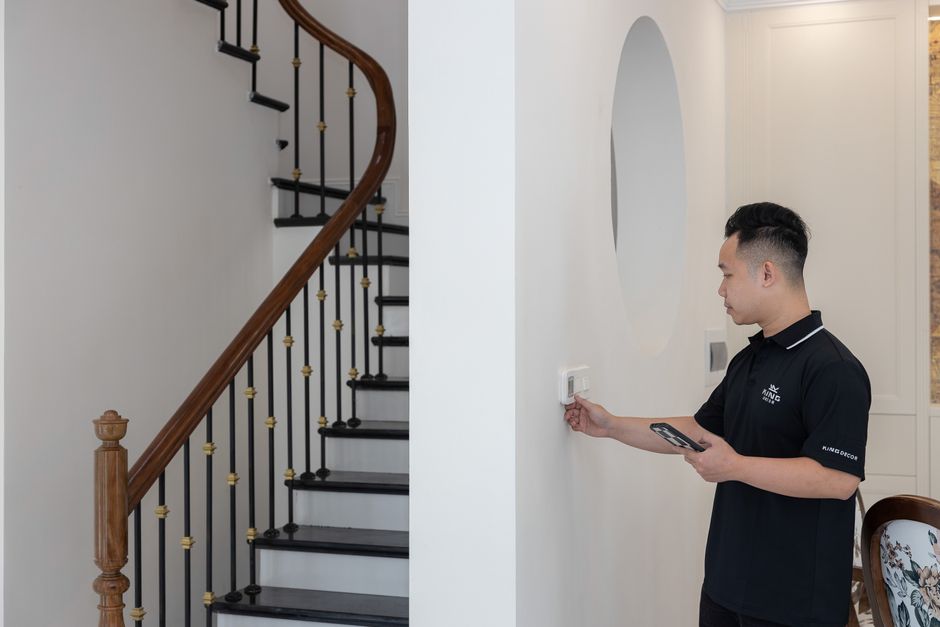
Smart home technology integration in BC has evolved well beyond programmable thermostats and voice-controlled light switches. For homeowners on Vancouver Island building custom homes today, the real opportunity lies in designing technology into the architecture itself — embedding automation, energy monitoring, and intelligent systems at the structural and spatial planning stage, not as an afterthought during the final weeks of construction.
At AR Architecture, we work with clients in Nanaimo and across Vancouver Island who want homes that perform beautifully for decades. That means thinking carefully about how home automation on Vancouver Island fits into the broader design intent — from the orientation of the building to the routing of conduit through walls, from window placement that works with automated shading to mechanical rooms sized for whole-home energy systems. When technology is considered early, it disappears into the home seamlessly. When it's retrofitted, it shows.
Why BC's Coastal Climate Demands a Smarter Approach
Vancouver Island's coastal climate is genuinely unique, and it creates specific demands that make thoughtful smart home design especially valuable here. We experience mild, wet winters, warm dry summers, significant wind exposure in many areas, and dramatic seasonal shifts in daylight. A home that responds intelligently to these conditions isn't a luxury — it's a practical investment.
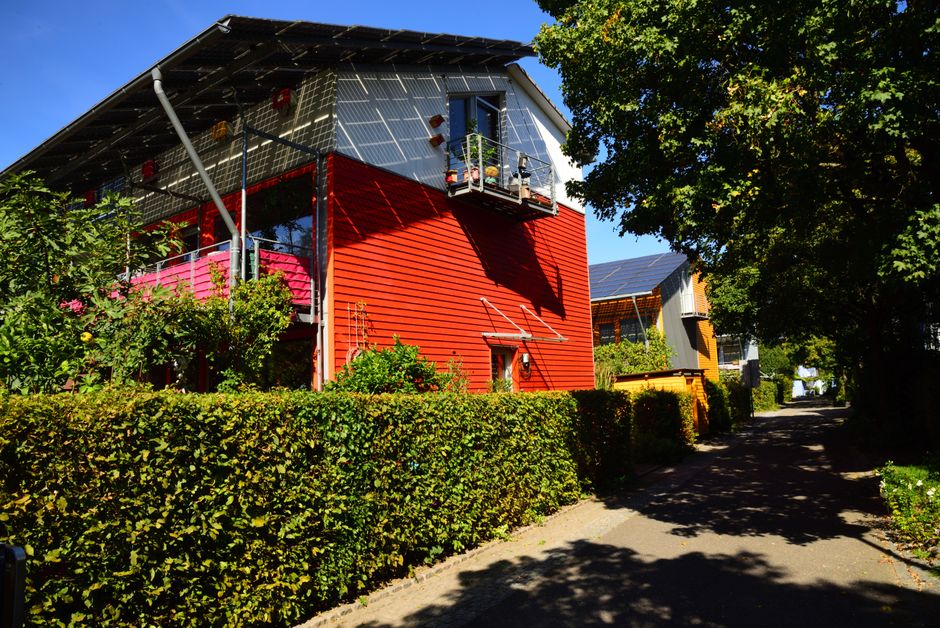
Consider automated solar shading. On the south and west faces of a home, motorized exterior blinds or louvres can block intense summer sun during the hottest part of the day, dramatically reducing cooling loads — and then retract to let in passive solar heat during winter afternoons. When this system is tied to a whole-home automation hub with weather data integration, it operates without any input from the homeowner at all. The building simply responds to its environment. This kind of integrated thinking connects directly to the principles we explore in our guide to passive solar home design in BC and Vancouver Island, where building orientation and thermal mass work alongside technology rather than in spite of it.
Moisture management is another area where smart technology earns its keep on the coast. Humidity sensors integrated with HRV (heat recovery ventilator) systems can automatically adjust ventilation rates based on real-time indoor air quality readings — protecting your structure, your finishes, and your family's health without constant manual adjustment.
What Integrated Smart Home Design Actually Looks Like
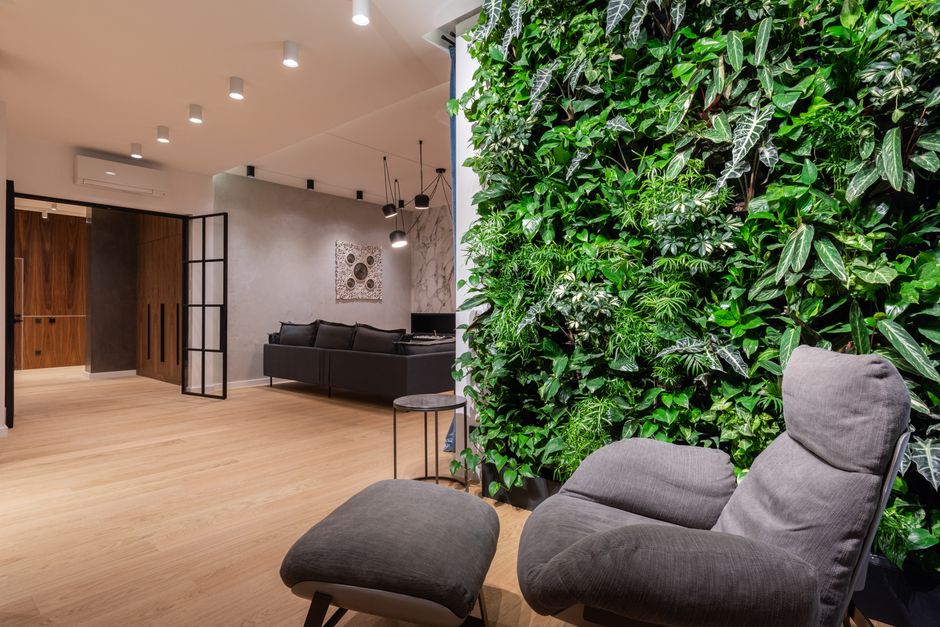
When a smart home architect in Nanaimo approaches a new custom home project with technology integration in mind, the planning conversation starts much earlier than most clients expect. Here's what that integration looks like in practice across key systems:
Structured Wiring and Infrastructure
Every integrated technology custom home in BC needs a strong backbone. This means planning a dedicated technology room or structured media panel location during schematic design — not after framing. It means specifying conduit runs to every room, pre-wiring for motorized window treatments, running low-voltage wiring for automated lighting zones, and ensuring your network infrastructure supports the bandwidth demands of a connected home. Cat6a ethernet to every room, ceiling-mounted Wi-Fi access points, and a rack-mounted network switch are now baseline expectations in architect-designed custom homes.
Automated Climate and Energy Systems
Whole-home energy monitoring platforms — such as those that integrate with systems like Emporia, Sense, or Schneider Electric's ecosystem — give homeowners granular visibility into exactly how energy is being used in real time. When paired with a heat pump system (now the dominant choice for new homes in BC given Step Code requirements), smart thermostats and zone controls can optimize comfort room by room while keeping operating costs low. Planning the mechanical room and electrical panel to accommodate these systems from day one prevents expensive retrofits later.
Lighting Design and Automated Shading
Lighting design in a truly integrated custom home goes far beyond choosing fixtures. A future-ready home design on Vancouver Island uses a lighting control system — Lutron Caseta, Control4, or similar — that allows the architect to design lighting scenes tied to time of day, occupancy, and natural light levels. This isn't just convenient; it has real implications for how spaces feel, how much energy the home uses, and how the architecture reads at different times of day. Automated shading systems, coordinated with lighting, give the home an intelligence that passive design alone can't achieve.
Security, Access, and Whole-Home AV
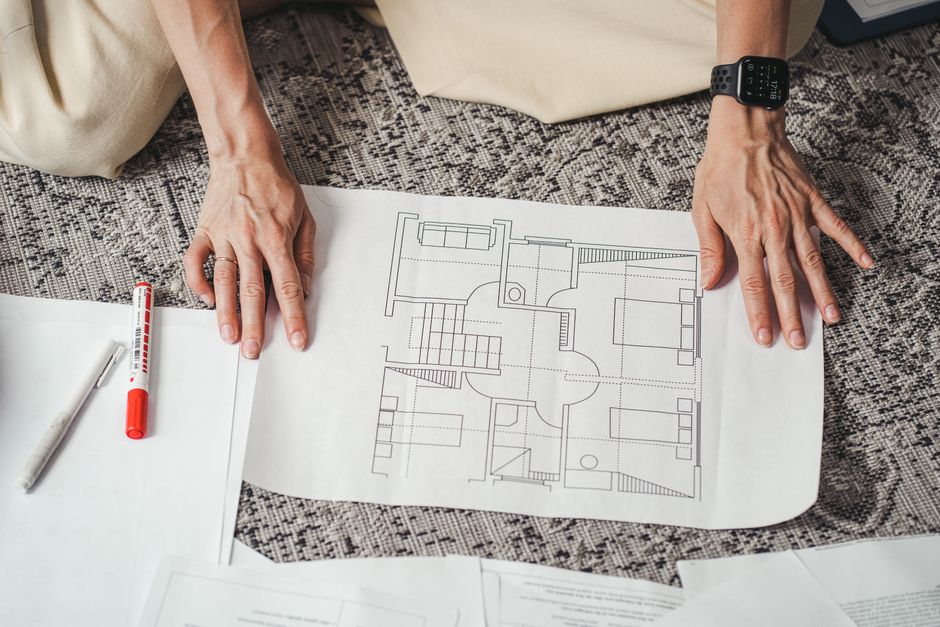
Smart locks, video doorbells, and integrated camera systems are now expected in custom homes, but the key is planning camera locations and conduit pathways during design development — not during final finishes. Similarly, whole-home audio and video distribution works far better when speaker locations, display mounting points, and equipment rooms are identified in the architectural drawings. It's a level of coordination that only happens when the architect is deeply engaged with the technology consultant early in the process.
Avoiding the Most Common Smart Home Mistakes
The biggest mistake Vancouver Island homeowners make with smart home technology is treating it as a finish-stage decision — like choosing countertops or cabinet hardware. By the time you're selecting fixtures, walls are closed and routing new conduit means opening them back up. The second most common mistake is choosing technology without a coherent platform strategy, ending up with a collection of incompatible apps and devices that don't communicate with each other.
A skilled smart home architect in Nanaimo will push for platform decisions early, help you identify which systems truly benefit from integration and which don't, and coordinate with your AV and automation contractor throughout design and construction. The result is a home where technology serves the architecture — not one where technology is fighting against it.
Our residential architecture portfolio includes custom homes across Vancouver Island where these principles have been applied — homes where the technology is invisible precisely because it was planned so carefully from the start.
Future-Proofing for a Changing Technology Landscape
One of the most valuable things an architect can do in the smart home space is design for adaptability. Technology platforms change. What's the dominant ecosystem today may be obsolete in ten years. The infrastructure — conduit, panel capacity, structured wiring, mechanical room space — has a much longer lifespan than any specific device or platform.
Designing generously for power and data infrastructure, specifying oversized conduit where possible, and locating technology spaces for easy access all mean that your home can evolve as technology does without major renovation. This forward-thinking approach is fundamental to how we approach sustainable home building on Vancouver Island — because a home that can adapt is a home that lasts.
The intersection of smart technology and sustainable design is also increasingly important under BC's Energy Step Code. Energy monitoring systems, smart HVAC controls, and EV charging infrastructure are all now part of the conversation for code compliance and performance modeling — not just lifestyle conveniences.
Ready to Design a Home That Works as Smart as It Looks?
If you're planning a custom home on Vancouver Island and want smart technology that's genuinely integrated into the architecture — not retrofitted as an afterthought — AR Architecture is ready to help. We bring a design-first approach to every project, and we know how to coordinate the full range of systems that make a modern home perform at its best. Reach out to our Nanaimo team to start the conversation about your future-ready home.
Details
Author











.jpg)